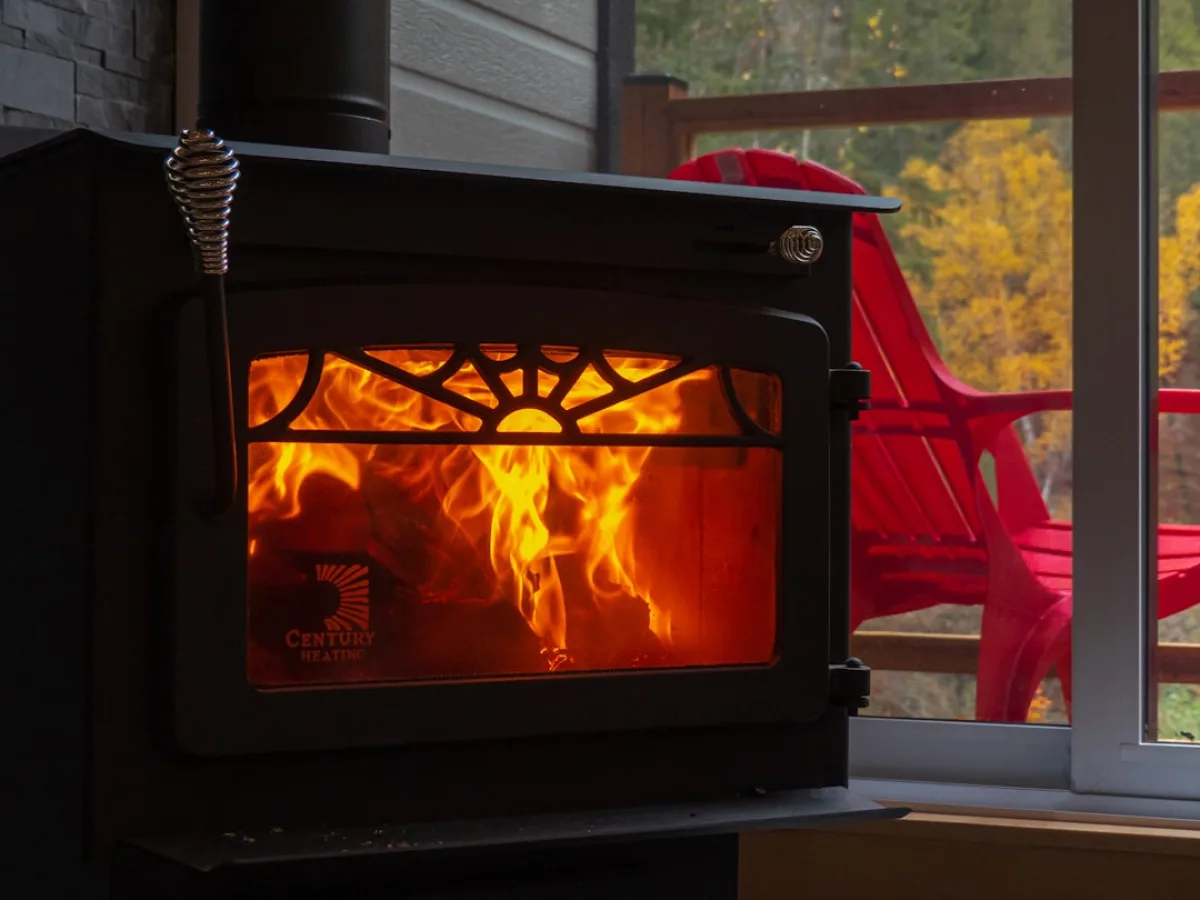
Getting Your Wood Burning Stove Ready for Winter
Colin Whitmore · 19 Jul 2026
As the nights draw in and temperatures start to drop, most of us begin thinking about firing up the stove again. After sitting unused through spring and summer, your appliance needs a proper check-over before you light that first fire of the season. Skipping this step is one of the most common mistakes homeowners make, and it can lead to poor performance, unnecessary repair bills, or worse, a safety hazard.
Our team has put together this straightforward guide to help you get everything in order before winter arrives. Whether your stove is a few months old or has been a fixture in your home for years, the same basic preparation applies.
Start With a Professional Stove Service and Chimney Sweep
The single most important thing you can do before the heating season begins is book a professional service. Over the warmer months, birds can nest in flue liners, soot and creosote build up from the previous winter, and components like door ropes and firebricks can deteriorate without you noticing.
Our stove servicing and sweeping covers a thorough inspection of the appliance itself alongside a proper chimney sweep. Our installers check the flue draw, inspect the baffle plate, door seals, and glass, and clear any blockages that could restrict airflow or create a fire risk when you start burning regularly again.
A well-swept chimney also means your stove burns more efficiently from the outset, so you get better heat output and use less fuel. It is worth scheduling this in early autumn before demand picks up and booking slots become harder to find.
What a Service Should Cover
- Sweeping the flue and removing any blockages or debris
- Inspecting the flue liner for cracks or deterioration
- Checking door rope seals for airtightness
- Examining the baffle plate and replacing it if worn
- Inspecting firebricks and replacing damaged ones
- Checking the stove glass and cleaning or replacing as needed
- Testing the air controls to make sure they operate correctly
Check Your Carbon Monoxide Detector
A working carbon monoxide detector is not optional. It is a basic safety essential for any home with a solid fuel appliance. Carbon monoxide is colourless and odourless, so there is no reliable way to detect it without a certified alarm.
Before the season starts, test your detector, check the battery, and confirm it is positioned correctly in the same room as the stove. Most CO alarms have a lifespan of five to seven years, so check the manufacture date on the back if you are unsure whether yours is still effective.
If you do not have a detector fitted, get one in place before you light your first fire. This is non-negotiable.
Inspect Your Flue and Chimney Liner
If your stove has a liner installed, it is worth having it visually inspected as part of your annual service. Liners can develop small cracks over time, particularly if the stove has been overfired. A compromised liner allows combustion gases to escape into the void between the liner and the chimney stack, which is both a health risk and a potential structural issue.
If you are unsure whether your chimney is lined, or if your existing liner is approaching the end of its serviceable life, our team can advise you. We cover chimney lining and flue installation and can assess whether your current setup is fit for another season of regular use.
Sort Your Fuel Supply Early
Leaving your firewood or solid fuel purchase until the first cold snap is a guaranteed way to pay more and wait longer. Demand for seasoned wood and approved smokeless fuel rises sharply in October and November, and well-seasoned logs in particular can be difficult to source at short notice.
What to Look for in Firewood
Properly seasoned or kiln-dried hardwood logs are the right choice for wood burning stoves. The moisture content should be below 20 percent. Wood with higher moisture content produces far more smoke, deposits more creosote in your flue, and generates significantly less heat per load.
Look for the Woodsure Ready to Burn certification mark when buying logs. This is the recognised quality assurance scheme in the UK and confirms the wood has been independently tested and meets the moisture threshold.
Smokeless Fuel for Multi-Fuel Stoves
If you have a multi-fuel stove, you have the option of burning approved smokeless fuels as well as wood. These are particularly useful if you are in a smoke control zone, where only DEFRA-exempt appliances burning approved fuels are permitted. Stock up before winter and store your fuel somewhere dry and sheltered so it stays in good condition.
Confirm Your Stove Is HETAS Certified and Compliant
If your stove was installed in recent years and you have the paperwork, take a moment to locate your installation certificate before the season begins. This confirms your appliance was installed by a registered engineer and notified to building control as required under Part J of the Building Regulations.
Our installations are carried out by HETAS-registered engineers and we handle all the necessary certification and building control notification on your behalf. If you are missing documentation from a previous installation, or if your stove was fitted by someone whose credentials you are unsure about, our HETAS certification service can help you get the correct paperwork in place.
This matters not just for safety, but also for your home insurance and for any future property sale, where a buyer's solicitor is likely to ask for evidence of compliant installation.
Give the Stove Itself a Once-Over
Beyond the annual professional service, there are a few simple checks you can carry out yourself before the first fire of the season.
- Door seal: Close the door on a piece of paper and try to pull it out. If it slides free easily, the rope seal has worn and needs replacing before you burn regularly.
- Stove glass: Clean the glass with a specialist stove glass cleaner and check for any cracks. Cracked glass should be replaced, not used as-is.
- Air vents: Make sure the air inlet controls move freely and are not stiff or stuck.
- External flue terminal: If it is safe to do so, take a look at the top of your chimney stack or external flue pipe for any obvious damage, missing caps, or bird debris.
Book Early to Avoid the Rush
Our installers are kept busy throughout autumn and early winter with services, new installations, and repair work. If you want your stove ready for the start of the cold season rather than the middle of it, getting in touch sooner rather than later is the sensible approach.
We cover a wide range of locations across the UK. You can check the areas we cover to confirm we work in your area, or get in touch directly to discuss what your stove needs ahead of winter.
A little preparation now means a warm, efficient, and safe heating season from the first fire through to spring.
Related advice
Stove Output, Fuel and Compliance: A Practical Guide for Business Owners
From calculating the right heat output for your commercial space to understanding HETAS regulations and clean air zone rules, here is what every business owner needs to know before installing a wood burning stove.
24 Sep 2026
Read More
How to Create a Cosy Atmosphere in Your Commercial Space with a Wood Burning Stove
A well-chosen and correctly installed wood burning stove does far more than heat a commercial space. It shapes how guests feel the moment they walk through the door. Here is how to get it right.
23 Sep 2026
Read More
Firewood for Hospitality Venues: Fuel Quality, Storage and Keeping Supply Consistent
Running a pub, restaurant or hotel with a wood burning stove means thinking carefully about fuel. Here is our practical guide to choosing the right firewood, storing it properly and keeping your supply reliable all year round.
20 Sep 2026
Read More