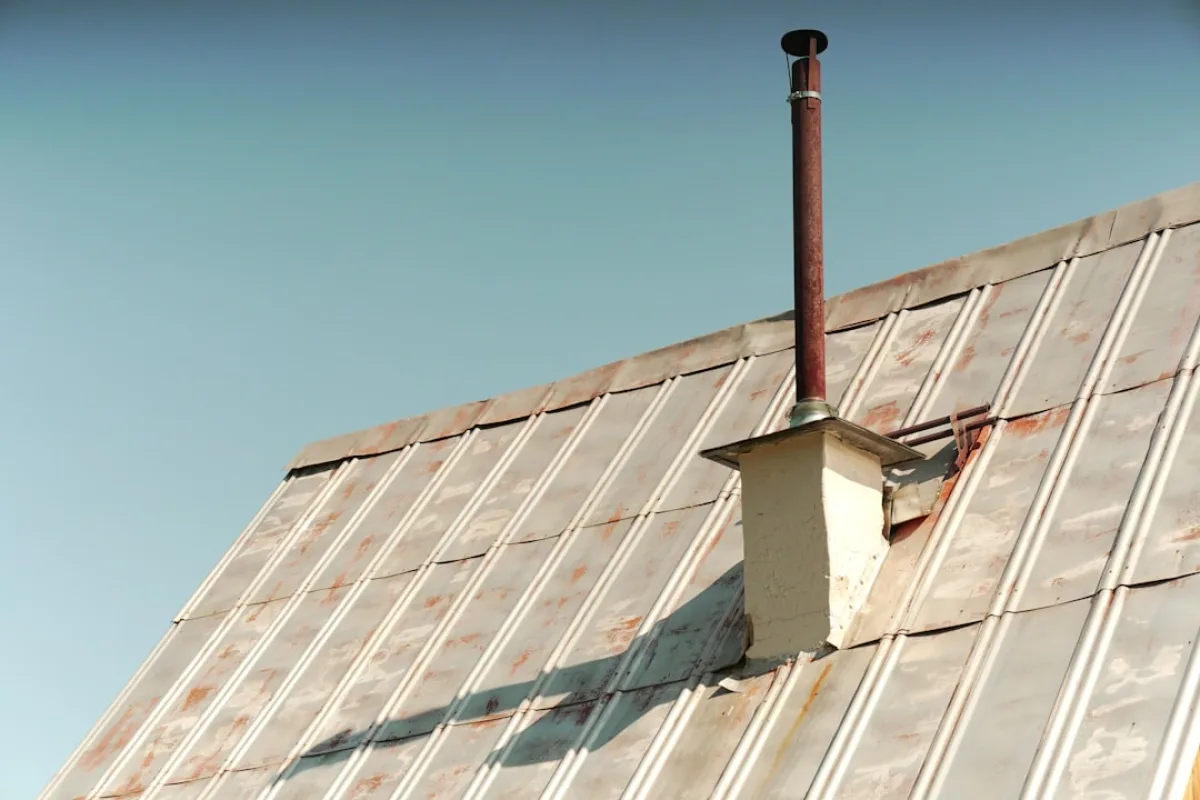
How to Choose the Right Wood Burning Stove for Your Home
Colin Whitmore · 21 Jul 2026
Choosing a wood burning stove is one of those decisions that feels straightforward until you start looking into it properly. There are hundreds of models on the market, a fair amount of regulation to navigate, and real consequences if you get things wrong. Our team installs stoves in homes across the UK every week, and we know the questions that come up time and again. This guide brings those answers together so you can go into the process with confidence.
Start With the Right Heat Output
The most common mistake people make is choosing a stove that is either too small to warm the room or too large to run safely at low output. Getting the output right matters both for comfort and for efficiency.
As a rough guide, you can estimate the output you need by calculating the volume of your room in cubic metres and dividing by 14. A room that is 5 metres long, 4 metres wide and 2.4 metres high has a volume of 48 cubic metres, which points to a stove of around 3.5 kW. Older properties with poor insulation will need more; well-insulated modern homes may need less.
Our installers will always carry out a proper heat loss assessment before recommending a model, because room shape, ceiling height, window size and wall construction all play a part. It is never just about square footage.
Multi-Fuel or Wood Only?
You will need to decide whether you want a dedicated wood burning stove or a multi-fuel stove that can also burn approved solid fuels such as smokeless coal or anthracite. The two types look similar from the outside but are built differently inside.
Wood burning stoves have a flat base and are designed to hold a bed of ash, which helps wood burn efficiently. Multi-fuel stoves have a raised grate and an ash pan so that air can circulate beneath the fuel.
If you plan to burn wood most of the time but want the flexibility to use other fuels occasionally, a multi-fuel stove is worth considering. If you are committed to wood only and want the best performance from logs, a dedicated wood burner is the cleaner choice.
Check Your Flue and Chimney Situation
No matter how good the stove is, it will only perform as well as the flue behind it. Your existing chimney may be perfectly suitable, or it may need lining before we can connect a new stove to it. Older chimneys are often oversized for modern stoves, which can cause poor draw, condensation and a build-up of tar.
Our team carries out a full flue assessment as part of every installation. Where lining is needed, we handle that as part of the same job. You can read more about our chimney lining and flue service if you want to understand what that process involves.
Homes without a chimney at all are not excluded from having a wood burning stove. A twin-wall flue system can be installed internally or externally to create the necessary draw. It is a more involved job, but one our installers carry out regularly.
Smoke Control Zones and DEFRA-Exempt Stoves
If your property is in a smoke control area, which covers most towns and cities in England, you are only permitted to burn certain fuels and use certain appliances. Standard wood burning stoves are not allowed in these areas unless they have been approved by DEFRA as exempt appliances.
DEFRA-exempt stoves are designed to burn wood with very low particulate emissions, and they must only be used with dry, seasoned or kiln-dried wood. Burning wet wood or unauthorised fuel in a smoke control area is an offence and can result in a fine.
Before we recommend any stove model, we confirm whether your address falls within a smoke control zone. If it does, we only supply and install DEFRA-exempt appliances. You can check your own postcode on the government's smoke control area checker, though our team can also confirm this for you when you get in touch.
Fuel Type and What to Burn
Wood is the most popular fuel for home stoves, and it is important to use wood with a moisture content below 20 per cent. Wet or unseasoned wood produces far less heat, creates more smoke and causes tar to build up in your flue much faster. Look for the Ready to Burn logo when buying logs, which confirms the moisture content has been independently verified.
If you have a multi-fuel stove, you can also use approved smokeless fuels. These tend to burn hotter and longer than wood, which can be useful overnight or during very cold spells. You should never burn household waste, treated timber, chipboard or coal in a wood burning stove, as these produce harmful emissions and can damage the appliance.
HETAS Certification and Building Regulations
Installing a wood burning stove is classified as notifiable building work under Part J of the Building Regulations. This means the installation must either be carried out by a HETAS-registered installer or be submitted for approval through your local authority building control.
Our installers are HETAS registered, which means we can self-certify the work and issue you with a certificate of compliance directly. This certificate is important when you come to sell your home, and some insurers ask to see evidence of a compliant installation. You can find out more about what this involves on our HETAS certification page.
Skipping this step is not worth the risk. An uncertified installation can cause problems when selling your property and may affect your home insurance in the event of a fire or damage.
Style, Size and Practical Fit
Once the practical boxes are ticked, there is still the question of how the stove needs to look and fit in the room. Stoves come in a wide range of styles, from traditional cast iron designs with ornate detailing to clean-lined contemporary models that suit more modern interiors.
Freestanding stoves are the most common choice, but inset stoves sit flush into a fireplace opening and take up less floor space. Some rooms suit a corner-mounted stove. Our team can advise on the options that work with your existing fireplace or the new opening we create.
If you are having a new fireplace or hearth built at the same time, our fireplace and hearth fitting service covers that as part of a complete installation package.
Carbon Monoxide Safety
Every home with a solid fuel appliance should have at least one carbon monoxide alarm fitted. Carbon monoxide is colourless and odourless, which means it gives no warning before it reaches dangerous levels. A sealed or blocked flue, a damaged stove or simply running the appliance incorrectly can all lead to a build-up of the gas indoors.
British Standard BS EN 50291 covers CO alarms, and we recommend choosing an alarm that meets this standard. Our installers fit a CO alarm as part of every installation we carry out. You should test the alarm regularly and replace it according to the manufacturer's guidance, usually every seven to ten years.
Annual Servicing and Ongoing Maintenance
A stove is not a fit-and-forget appliance. To keep it safe and efficient, the flue needs to be swept at least once a year, and the stove itself should be inspected for wear to door seals, rope seals, firebricks and the baffle plate. Our stove servicing and sweeping service covers all of this in a single annual visit.
Regular servicing also protects your warranty. Most stove manufacturers require evidence of annual maintenance to honour warranty claims, and neglecting the flue can void cover altogether.
Ready to Move Forward?
Our team covers a wide range of areas across the UK, and we handle everything from the initial survey through to supply, installation and certification. If you are ready to start, or just want to talk through what would work for your home, take a look at our stove supply and installation service or get in touch directly. We are happy to answer questions at any stage of the process.
Related advice
Stove Output, Fuel and Compliance: A Practical Guide for Business Owners
From calculating the right heat output for your commercial space to understanding HETAS regulations and clean air zone rules, here is what every business owner needs to know before installing a wood burning stove.
24 Sep 2026
Read More
How to Create a Cosy Atmosphere in Your Commercial Space with a Wood Burning Stove
A well-chosen and correctly installed wood burning stove does far more than heat a commercial space. It shapes how guests feel the moment they walk through the door. Here is how to get it right.
23 Sep 2026
Read More
Firewood for Hospitality Venues: Fuel Quality, Storage and Keeping Supply Consistent
Running a pub, restaurant or hotel with a wood burning stove means thinking carefully about fuel. Here is our practical guide to choosing the right firewood, storing it properly and keeping your supply reliable all year round.
20 Sep 2026
Read More