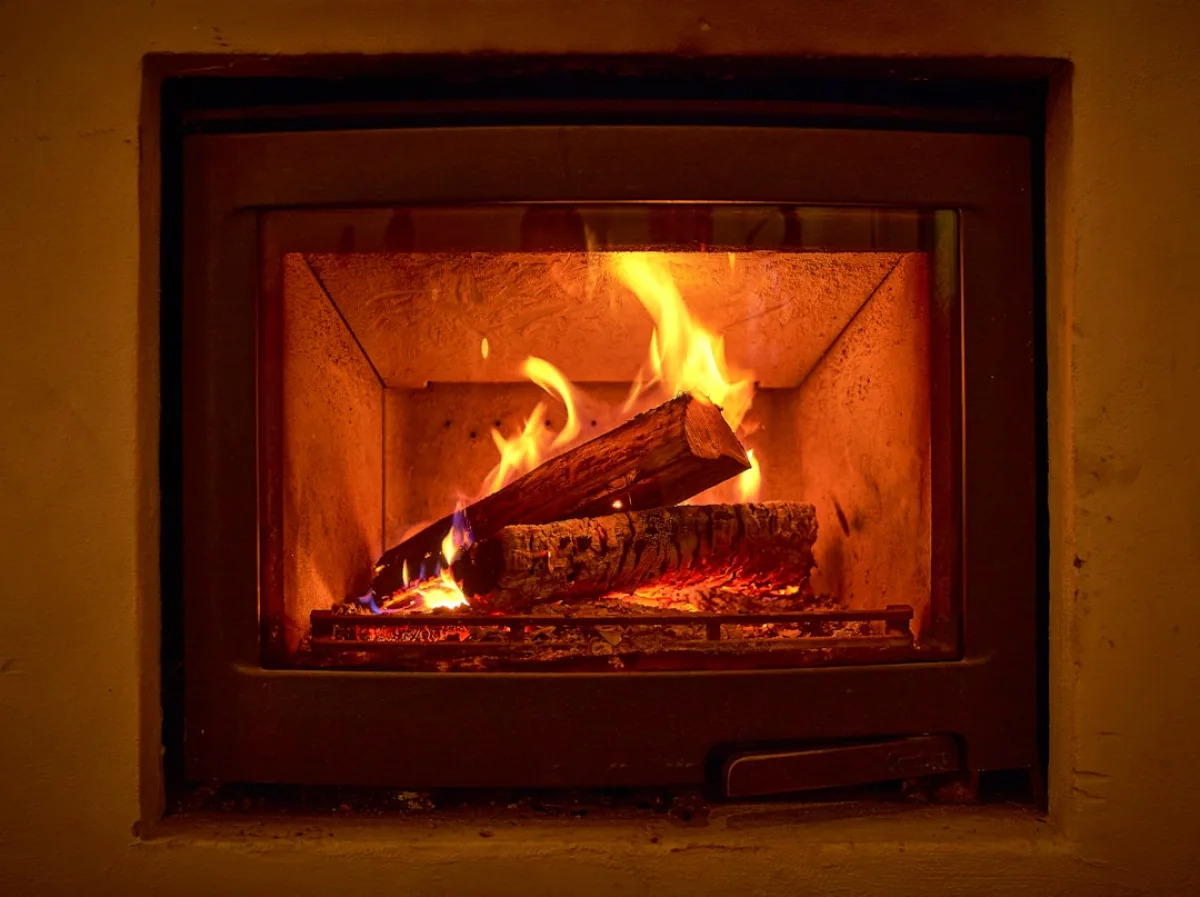
How to Get the Most Heat from Your Wood Burning Stove
Colin Whitmore · 8 Sep 2026
A wood burning stove is one of the most satisfying ways to heat a room, but there is a real difference between a stove that ticks over gently and one that delivers a strong, steady warmth you can feel across the whole room. If your stove is not performing as well as you hoped, or you simply want to make sure you are getting full value from it, this guide covers every aspect of maximising heat output, from the fuel you choose to the way your chimney is lined.
Start with a Properly Installed Stove and Flue
Heat output begins long before you light the first fire. A stove that has been sized correctly for the room, positioned well and connected to a suitable flue will always outperform one that has been installed without care. Our team installs stoves to HETAS certification standards, which means every part of the installation is checked against building regulations before we hand over to you.
The flue is just as important as the stove itself. A flue that is the wrong diameter, too short, poorly insulated or blocked by debris will restrict the draw and reduce combustion efficiency. Poor draw means the fire struggles to breathe, smoke lingers in the firebox, and you burn more fuel for less heat. Our chimney lining service ensures the flue is correctly sized and insulated, which keeps the gases moving upward at the right speed and temperature.
If you are unsure whether your existing installation is right, a professional service visit is the quickest way to find out.
Choose the Right Fuel and Dry It Properly
The single biggest factor in how much heat your stove produces is the moisture content of your wood. Wet or unseasoned wood contains water that must be boiled off before the wood can burn properly. That process consumes a large proportion of the energy in the log and produces far more smoke, tar and creosote than dry wood does.
For a wood burning stove to work efficiently, you should use wood with a moisture content of 20% or below. Wood sold as Ready to Burn certified has been independently tested to confirm it meets that standard, and it is the easiest way to buy with confidence. If you are seasoning your own wood, allow hardwoods such as oak and ash at least two years stacked in a covered, ventilated space.
- Hardwoods such as oak, ash, beech and hornbeam burn slowly and produce a sustained, even heat.
- Softwoods such as pine and larch ignite quickly and are useful for starting a fire but burn faster and produce more resin.
- Avoid treated timber, painted wood, chipboard and wood with visible damp or mould.
If you have a multi-fuel stove, you also have the option of using authorised smokeless solid fuel, which can provide a longer, hotter burn, particularly useful overnight or in colder weather.
Control the Air Vents Correctly
Air controls are the most direct way you influence how your stove burns in real time. Many people either leave the vents fully open all the time or close them down too early, and both habits reduce efficiency.
The Primary Air Vent
On most stoves the primary air vent feeds air beneath the grate. It is most useful when lighting the fire and during the initial burn-up phase when the firebox and flue need to reach operating temperature. Once the fire is established and the stove is up to heat, the primary vent is typically closed down or shut completely on a wood-only stove.
The Secondary Air Vent
The secondary vent, often positioned above the firebox door, directs air over the top of the flames. This is the main control for regulating a wood burning stove once it is running. Keeping a reasonable secondary air supply prevents the fire from smouldering, which wastes fuel and coats the glass and flue in deposits.
The Tertiary Air Vent
Many modern and Ecodesign stoves include a tertiary air wash that runs across the inside of the glass door. This keeps the glass clear and burns off gases before they leave the firebox, improving efficiency and reducing emissions.
A well-adjusted stove should show bright, lively flames with no heavy smoke. If the flames are lazy and orange with a lot of smoke visible, open the secondary vent slightly. If the stove is roaring and the output feels hard to control, close it back a little.
Manage Your Burning Habits Day to Day
Small changes to how you load and manage your stove add up to a noticeable difference in heat output and fuel use over a season.
Build a Good Fire Bed
A shallow bed of ash on the base of the stove helps insulate the fire and reflect heat back upward. Removing every trace of ash after each fire means the next one takes longer to reach temperature. Leave a centimetre or two in place.
Top-Down Lighting
The top-down method involves placing two or three larger logs at the base, crossing them with smaller kindling and placing firelighters on top. The fire burns downward, which produces less smoke during lighting and helps the flue warm up more quickly. It is particularly effective in cold weather when the flue is reluctant to draw.
Load Little and Often
Adding one or two logs at a time as the fire burns down keeps the stove at a steady temperature. Loading a large quantity of cold wood at once causes the temperature to drop sharply, which produces smoke and reduces combustion efficiency until the fire recovers.
Keep the Glass Clean
Blackened or sooty glass is a sign that the stove is running too cool or the wood is too wet. Clean glass allows you to watch the fire and judge its condition. A damp cloth dipped in fine ash and wiped gently over cold glass removes most deposits without scratching.
Keep Your Stove and Chimney in Good Condition
Even a stove that is perfectly installed and correctly operated will gradually lose performance if it is not maintained. Creosote and tar build up inside the flue and reduce draw. Door rope seals harden and let in uncontrolled air. Baffle plates crack and allow heat to escape up the chimney rather than radiating into the room.
Our stove servicing and sweeping service covers the full appliance and flue, checking seals, inspecting the baffle, testing the draw and sweeping the chimney clear of deposits. We recommend a service at least once a year, ideally before the main heating season begins in autumn.
Carbon monoxide safety is also part of responsible stove ownership. A blocked or poorly drawing flue can cause carbon monoxide to spill into the room, and because the gas is odourless and colourless, you will not detect it without an audible alarm. Fit a carbon monoxide detector in the same room as your stove and test it regularly. Our installers will always advise on placement when fitting a new appliance.
Smoke Control Zones
If your home is in a smoke control area, you must use a DEFRA-exempt appliance. These stoves are designed to burn fuel more completely, which keeps emissions low and also means more of the energy in the fuel becomes heat rather than smoke. If you are unsure whether your address falls within a smoke control zone, your local council can confirm this, or you can raise the question with our team when arranging an installation.
Make the Most of Your Stove's Position and Your Room
Where your stove sits in the room and how the room is set up both influence how effectively the heat reaches you.
Stoves positioned on an internal wall or in the corner of a room radiate heat in fewer directions, since the heat that passes into the wall behind is partially lost. A stove on a hearth that projects into the room, with clear space around it, radiates in more directions and warms the room more evenly.
A correctly fitted hearth and fireplace surround also plays a part. A surround that channels air and reflects heat forward into the room is more efficient than an open recess that allows warm air to circulate behind the stove and rise directly up the chimney.
If your room has a high ceiling or connects to adjacent spaces, the heat will spread and the room will take longer to warm. In these situations, a stove with a higher kilowatt output may be appropriate, or you may want to consider how you use internal doors to retain warmth.
Summary: Practical Steps for a More Efficient Stove
- Use wood with a moisture content of 20% or below, ideally Ready to Burn certified.
- Light using the top-down method and allow the flue to warm before closing down vents.
- Once running, adjust the secondary air vent to maintain bright, active flames.
- Add logs little and often rather than loading a full firebox at once.
- Leave a shallow ash bed to help insulate and sustain the fire.
- Service the stove and sweep the chimney at least once a year.
- Fit and test a carbon monoxide detector in the same room as the stove.
- Check your installation meets current building regulations and HETAS standards.
If you have questions about your stove, your flue or whether your installation is performing as it should, our team is happy to help. Take a look at our full range of stove services or visit our frequently asked questions for quick answers to the most common queries we receive.
Related advice
Stove Output, Fuel and Compliance: A Practical Guide for Business Owners
From calculating the right heat output for your commercial space to understanding HETAS regulations and clean air zone rules, here is what every business owner needs to know before installing a wood burning stove.
24 Sep 2026
Read More
How to Create a Cosy Atmosphere in Your Commercial Space with a Wood Burning Stove
A well-chosen and correctly installed wood burning stove does far more than heat a commercial space. It shapes how guests feel the moment they walk through the door. Here is how to get it right.
23 Sep 2026
Read More
Firewood for Hospitality Venues: Fuel Quality, Storage and Keeping Supply Consistent
Running a pub, restaurant or hotel with a wood burning stove means thinking carefully about fuel. Here is our practical guide to choosing the right firewood, storing it properly and keeping your supply reliable all year round.
20 Sep 2026
Read More