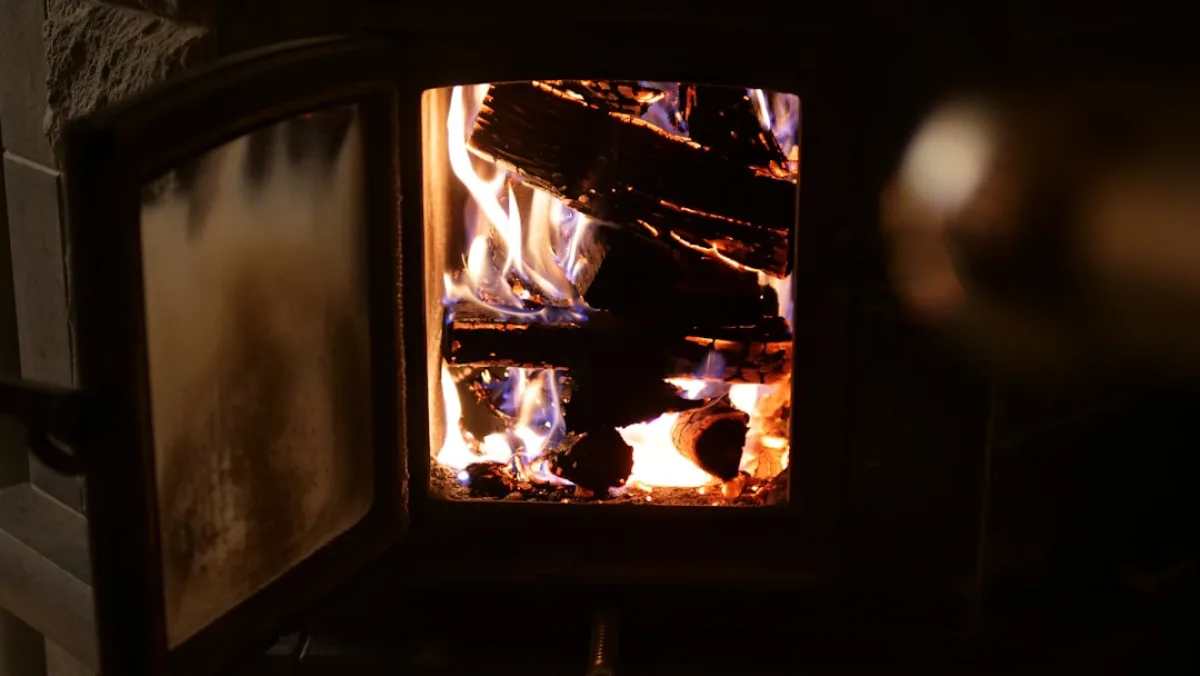
Wood Burning Stoves for Pubs, Cafes and Restaurants
Graham Alderton · 12 Aug 2026
There is a reason so many pubs, cafes and restaurants have a wood burning stove at the heart of the room. A well-chosen stove creates warmth, atmosphere and a focal point that no radiator or air handling unit can match. It draws customers in, encourages them to linger and signals that the space has been thought about carefully.
At woodburners4u, our team supplies and installs wood burning stoves in commercial premises across the UK. We work with pub landlords, cafe owners and restaurant operators who want a stove that works hard, looks great and meets every regulatory requirement. This guide covers the key things to consider before you go ahead.
Why Commercial Premises Are Different
Installing a stove in a pub or restaurant is not the same as fitting one in a living room. Commercial premises carry additional responsibilities around fire safety, public liability and building compliance. The stove needs to be sized correctly for a space that may be occupied by large numbers of people for long stretches of time, and the flue system needs to be designed for continuous, heavy use.
Our commercial installation service is designed specifically for these environments. Our installers understand the difference between a domestic hearth and a commercial one, and we approach every project accordingly.
Output and Sizing for Busy Commercial Spaces
Getting the output right is critical. A stove that is too small will struggle to heat the room and will be run hard all day, leading to faster wear. A stove that is too large will overheat the space and make it uncomfortable for customers and staff.
Commercial rooms tend to have high ceilings, draughty entrances, large windows and frequent door openings. All of these factors increase heat loss. As a general rule, a commercial space requires a higher output per cubic metre than a domestic room would, and we always carry out a proper heat loss assessment before recommending a model.
We also consider the layout. A stove positioned in a corner alcove heats differently to one set against a central wall or installed in an island position where customers can gather around it.
Flue Systems for Commercial Use
The flue is the part of the installation that commercial operators most often underestimate. In a busy pub or restaurant, a stove may be lit for ten or twelve hours at a stretch. The flue system needs to handle that without degrading, and it needs to draw consistently even during busy service when kitchen extraction and ventilation systems are competing for air.
We design and install twin-wall insulated flue systems for commercial premises, sized to suit the appliance and the building. If the property has an existing chimney, we inspect and line it before installation. We do not cut corners on flue design because a poorly performing flue causes smoke problems, carbon monoxide risk and poor stove efficiency.
Regulations and Compliance for Commercial Stove Installations
Commercial stove installations in the UK must comply with Building Regulations, specifically Approved Document J, which covers combustion appliances. A HETAS-registered installer must carry out the work, and a Building Regulations completion certificate must be issued on completion. We are HETAS-registered and handle all of the compliance paperwork as part of every installation.
Smoke Control Zones
If your premises are in a smoke control zone, you must use an appliance that has been approved for use in those areas under the Clean Air Act. Many town and city centre pubs, cafes and restaurants fall within smoke control zones, so this is something we check at the outset. We only supply and install DEFRA-exempt appliances where required, and we will confirm your premises' smoke control status as part of our initial assessment.
Ventilation Requirements
Commercial kitchens and hospitality spaces often have powerful mechanical ventilation systems. These can depressurise the room and starve a stove of combustion air if the ventilation is not properly balanced. Our team assesses ventilation as part of every commercial installation survey, and where necessary we specify a direct air supply to the stove so it draws cleanly without competing with extraction fans.
Fire Safety and Risk Assessment
As a commercial premises owner or operator, you are responsible for carrying out a fire risk assessment under the Regulatory Reform (Fire Safety) Order 2005. Adding a solid fuel appliance changes the fire risk profile of the premises and your risk assessment should be updated accordingly. We provide full documentation of the installation, clearances and materials used to support your assessor.
Fuel Choices for Commercial Wood Burners
Seasoned hardwood logs remain the most popular fuel for pubs and restaurants because they create the visual and atmospheric effect that customers expect. Dry hardwood with a moisture content below 20 per cent burns cleanly, efficiently and produces less creosote build-up in the flue than wet wood.
If you are in a smoke control zone, you will need to use kiln-dried wood or approved smokeless fuel rather than air-dried logs. Kiln-dried wood is widely available and burns reliably, which suits commercial settings where consistent performance matters.
Avoid burning waste timber, pallets, painted or treated wood or anything other than approved fuel. In a commercial setting this is not just good practice, it is a legal requirement.
Servicing and Maintenance Schedules
A commercial stove used in a pub, cafe or restaurant needs more frequent servicing than a domestic appliance. We recommend a minimum of two chimney sweeps per year for a stove in daily commercial use, and many of our commercial clients choose three or four annual visits depending on usage levels.
Our commercial servicing covers chimney sweeping, flue inspection, appliance check and documentation. We keep service records so you can demonstrate compliance if you are ever asked to by your insurer, your local authority or an environmental health officer.
Routine servicing also picks up minor faults before they become expensive problems. Rope seals, firebricks and glass can all be replaced during a service visit, keeping the stove in good working order and maintaining its efficiency.
Making the Right Choice for Your Premises
The right stove for a rural gastropub is not necessarily the right stove for an urban coffee shop. Style, output, flue route, fuel type and regulatory requirements all vary from one premises to the next. Our team surveys the site, listens to what you need and specifies accordingly.
We supply a wide range of stoves suited to commercial hospitality environments, from traditional cast iron models with high visual impact to contemporary steel designs that suit modern interiors. All of the models we install meet current efficiency and emissions standards.
If you want to know more about what we offer across our full range of commercial services, visit our commercial stoves page or take a look at our frequently asked questions for answers to the queries we hear most often. You can also check our locations page to confirm we cover your area.
We are happy to visit your premises, assess the space and talk through your options without any obligation. Get in touch with our team and we will take it from there.
Related advice
Stove Output, Fuel and Compliance: A Practical Guide for Business Owners
From calculating the right heat output for your commercial space to understanding HETAS regulations and clean air zone rules, here is what every business owner needs to know before installing a wood burning stove.
24 Sep 2026
Read More
How to Create a Cosy Atmosphere in Your Commercial Space with a Wood Burning Stove
A well-chosen and correctly installed wood burning stove does far more than heat a commercial space. It shapes how guests feel the moment they walk through the door. Here is how to get it right.
23 Sep 2026
Read More
Firewood for Hospitality Venues: Fuel Quality, Storage and Keeping Supply Consistent
Running a pub, restaurant or hotel with a wood burning stove means thinking carefully about fuel. Here is our practical guide to choosing the right firewood, storing it properly and keeping your supply reliable all year round.
20 Sep 2026
Read More