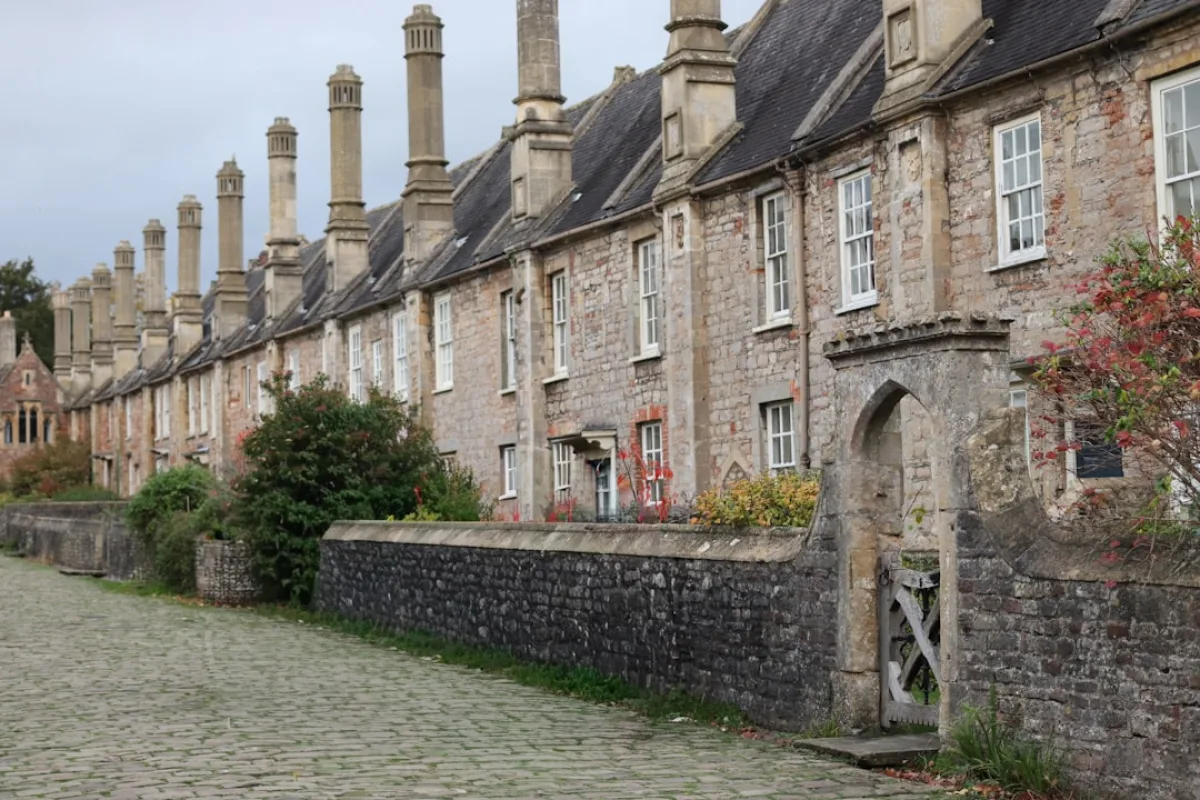
A wood burning stove is only as good as the flue system behind it. If your chimney is unlined, damaged, or simply not suited to the appliance you want to install, you are creating a risk rather than a comfort. That is why chimney lining and flue installation is one of the most important parts of any stove project, and it is a service we carry out properly, from start to finish. For homeowners and businesses seeking Chimney Lining & Flue in Lowestoft, our team is on hand to assess, advise, and complete the work to the highest standard.
Why Chimney Lining Matters
Older properties in Lowestoft and across Suffolk were often built with wide, unlined brick chimneys designed for open fires. These chimneys are rarely suitable for a modern wood burning stove without lining. The flue needs to be the correct diameter for the appliance, and the liner needs to contain combustion gases safely, drawing them up and out of the property without leaking into the building fabric. An incorrectly vented stove can lead to carbon monoxide ingress, poor draw, and excessive tar build-up inside the chimney. None of those are outcomes we are willing to accept on any job we carry out.
Beyond safety, a well-lined flue improves the efficiency of your stove considerably. When the draw is correct and the gases travel through an insulated liner, your stove reaches operating temperature faster, burns fuel more cleanly, and produces less residue over time. The difference between a lined and an unlined installation is felt every time you light the fire.
Types of Liner We Install
The most common solution we fit is a flexible stainless steel liner, which is ideal for existing chimneys with bends or offsets. We thread the liner down from the pot, connect it to the stove collar at the base, and seal the system at both ends. For straight runs, a rigid twin-wall flue system may be more appropriate, and in some cases where no chimney exists at all, a full twin-wall external or internal flue is the right route. Our team will assess your property and recommend the correct specification for your situation rather than applying a one-size approach.
Building Regulations and What to Expect on the Day
All chimney lining and flue installation work we carry out must comply with Building Regulations, specifically Part J, which covers combustion appliances and fuel storage. Our installers are registered with a competent persons scheme, which means we self-certify the work and issue you with the necessary documentation on completion. You do not need to apply for building control approval separately, as we handle that process as part of the installation.
On the day itself, our team will arrive with the liner, all fixings, and the tools needed to complete the job cleanly and efficiently. We protect the area around the fireplace and work methodically from the roof down. Most chimney lining installations are completed within a single day, though properties with more complex flue runs or older chimneys requiring preparatory work may take a little longer. We will always give you a clear picture of the expected timeline when we survey the property beforehand.
If you are also considering a new stove alongside your lining work, take a look at our ANCHOR0 page to see the range of appliances we supply and install. Combining both services in a single visit is often the most straightforward and cost-effective approach, and our team are experienced in delivering both elements as one coordinated project. Get in touch today to arrange a survey at your Lowestoft property.