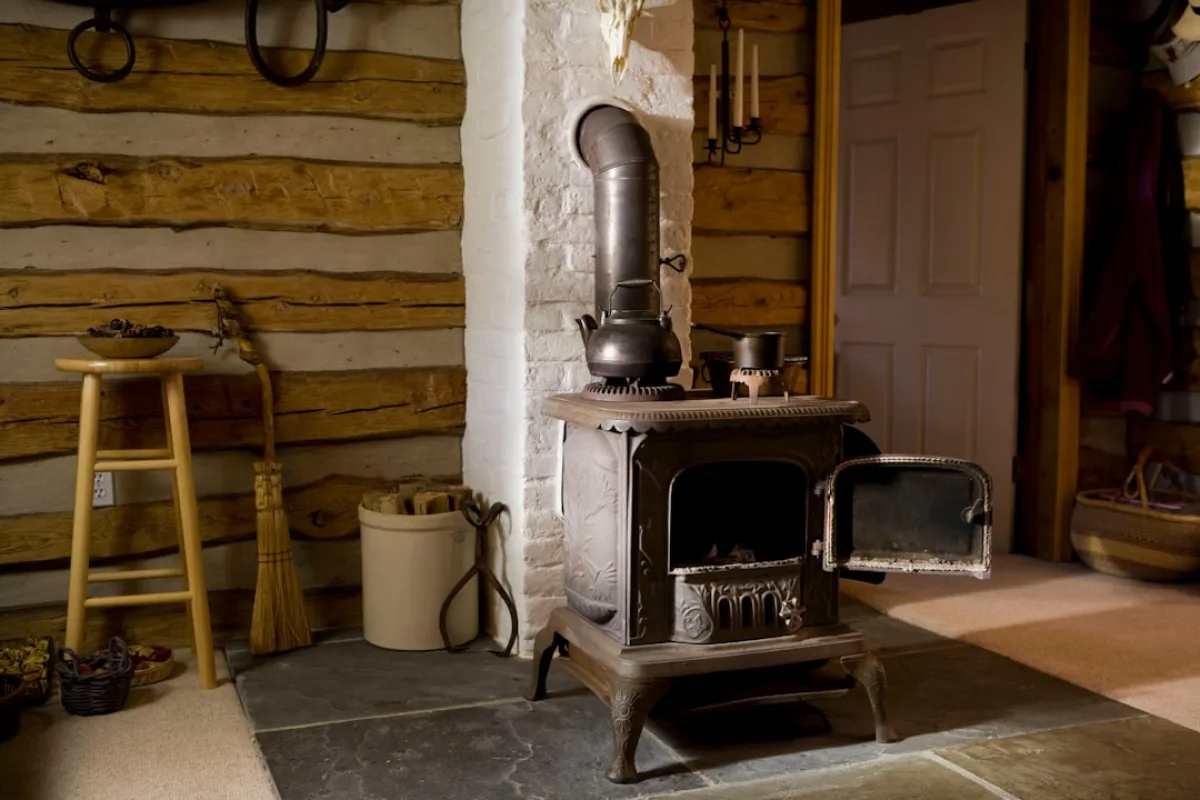
Are Wood Burning Stoves Cheaper Than Central Heating?
Colin Whitmore · 21 Aug 2026
It is one of the questions we hear most often from homeowners thinking about a new stove: will it actually save me money compared to running my central heating? The honest answer is that it depends on how you use it, what fuel you burn, and how well your stove is installed. But for many households across the UK, a wood burning stove does offer a genuine and meaningful reduction in heating costs over the long term.
In this article we walk through the main factors that affect the running costs of a wood burning stove, how they stack up against the cost of heating a whole home, and what you need to think about before investing in one.
Understanding the Running Costs of a Wood Burning Stove
A wood burning stove heats the room it sits in directly, using radiant heat and convection. Because the heat is immediate and localised, many households use a stove to warm the rooms they use most and turn down the thermostat elsewhere. That zoned approach is where the real savings tend to come from.
The cost of running a wood burning stove comes down largely to the price and quality of the fuel you use. Dry, well-seasoned hardwood logs are the most cost-effective option. Our stove advice blog covers fuel types in more detail, but as a general rule, wetter or lower-quality wood burns less efficiently, produces more smoke, and leaves more deposits inside your flue.
Kiln-dried logs cost more to buy upfront than green or part-seasoned wood, but because they burn hotter and longer, you use less of them to produce the same amount of heat. Over a full winter, that often balances out in your favour.
Efficiency Ratings Matter
Modern wood burning stoves are significantly more efficient than older open fires or outdated stove designs. Many stoves now achieve efficiency ratings of 75 to 80 per cent or higher, meaning most of the energy in the wood is converted to usable heat rather than being lost up the flue.
When you choose a stove through us, our team helps you select the right output size for your room. A stove that is too large for the space will either be run at a low burn rate, which reduces efficiency and increases tar build-up in the flue, or it will overheat the room. Getting the sizing right is one of the most important steps, and it is something our installers take seriously on every job.
Upfront Costs Versus Long-Term Savings
A wood burning stove is not a zero-cost solution. There is an upfront investment to consider, which typically includes the stove itself, the installation, any chimney lining work required, and the hearth or fireplace surround if needed.
Our stove supply and installation service covers everything from survey through to commissioning, so you have a clear picture of the total cost before any work begins. If your property does not have a suitable existing chimney, we may need to install a flue liner, which adds to the initial outlay but is essential for safe and efficient operation.
Once the stove is in and running, however, the ongoing costs are generally lower than many homeowners expect. If you have access to a reliable supply of sustainably sourced logs, either from a local supplier or from your own land, the fuel cost can be very low indeed. Even buying kiln-dried logs from a merchant typically compares favourably with running a heating system through the colder months.
Supplementary Heating Versus Full Replacement
It is worth being realistic about what a wood burning stove can and cannot do. A single stove will heat the room it is in very effectively, but it will not heat your entire home the way a central heating system can. Most of our customers use their stove as a primary heat source for their main living space and rely on their existing heating for other rooms and for hot water.
Used in this supplementary way, a stove can make a real dent in your overall heating spend across autumn and winter. Many households find they use their main heating system far less once the stove is installed and settled into their routine.
Other Factors That Affect Value for Money
Smoke Control Zones and DEFRA-Exempt Stoves
If you live in a smoke control area, you are required by law to burn only authorised fuels or to use a DEFRA-exempt appliance. Most modern stoves from reputable manufacturers are DEFRA-exempt, meaning they are approved for use in these zones. Our team can confirm whether your address falls within a smoke control area and recommend suitable stoves accordingly.
Using a non-exempt stove in a smoke control zone is an offence, so getting this right from the outset is important. It also affects which fuels you can use, which in turn affects your running costs.
Regular Servicing Keeps Costs Down
A stove that is properly maintained runs more efficiently and is less likely to develop faults that cost money to put right. We recommend having your stove and flue checked and swept at least once a year, ideally before the main heating season begins. Our stove servicing and sweeping service covers a full inspection of the appliance, removal of soot and tar deposits from the flue, and a check of all the seals and components.
Skipping annual servicing might seem like a saving in the short term, but a blocked or poorly sealed flue reduces draw, forces the stove to work harder, uses more fuel, and in the worst cases creates a safety risk. Keeping on top of maintenance is one of the simplest ways to protect the value of your investment.
HETAS Certification and Compliance
All our installations are carried out by HETAS-registered installers. HETAS is the official body for solid fuel heating in the UK, and using a registered installer means your installation is carried out to the correct standard and notified to your local building control authority. You receive a certificate of compliance, which is important for your home insurance and for any future property sale.
You can find out more about what HETAS certification means for your installation on our HETAS certification page.
Is a Wood Burning Stove Worth It?
For the right home and the right household, a wood burning stove offers genuine value. The combination of lower fuel costs when using good-quality wood, high appliance efficiency, and reduced reliance on your main heating system can add up to a meaningful saving over a winter season.
Beyond the financial side, there is the comfort and atmosphere that a real fire brings to a home, which is something no spreadsheet can fully account for. Many of our customers tell us that the stove quickly becomes the heart of their living space, used every day through the colder months.
If you would like to talk through whether a wood burning stove makes sense for your home, our team is happy to help. We cover a wide range of areas across the UK, and you can check whether we install in your area on our locations page.
Related advice
Stove Output, Fuel and Compliance: A Practical Guide for Business Owners
From calculating the right heat output for your commercial space to understanding HETAS regulations and clean air zone rules, here is what every business owner needs to know before installing a wood burning stove.
24 Sep 2026
Read More
How to Create a Cosy Atmosphere in Your Commercial Space with a Wood Burning Stove
A well-chosen and correctly installed wood burning stove does far more than heat a commercial space. It shapes how guests feel the moment they walk through the door. Here is how to get it right.
23 Sep 2026
Read More
Firewood for Hospitality Venues: Fuel Quality, Storage and Keeping Supply Consistent
Running a pub, restaurant or hotel with a wood burning stove means thinking carefully about fuel. Here is our practical guide to choosing the right firewood, storing it properly and keeping your supply reliable all year round.
20 Sep 2026
Read More