
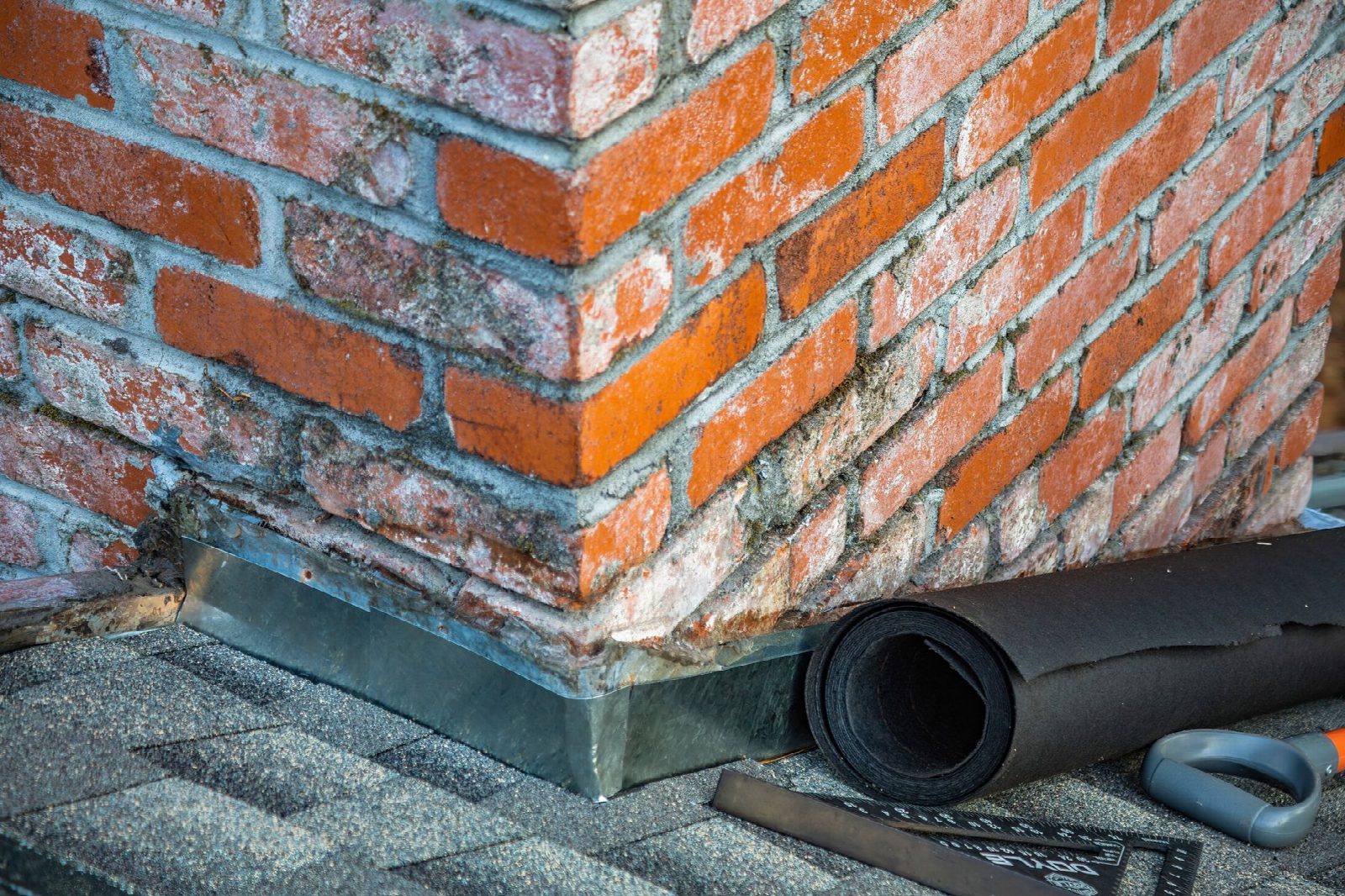
Woodburners4u install stoves and wood burners across Norfolk, and a big part of that work is chimney lining in Norfolk homes with old, oversized flues. If you live in a cottage, a farmhouse or a Victorian terrace, the chimney you have was almost certainly built for an open fire, not a modern stove. A liner bridges that gap.
What a chimney liner actually is
A chimney liner is a flexible stainless steel tube that runs from the stove, up the inside of your existing chimney, and out at the pot. The stove connects to the bottom of it. Smoke and gases travel up the inside of the liner and nothing else, so the brickwork around it is no longer doing the work.
Think of it as a pipe inside a tunnel. The tunnel still holds everything up. The pipe carries the smoke.
Why old Norfolk chimneys need one
Old chimneys here were built big. A traditional inglenook flue can be a metre across at the throat, which suited a roaring open fire pushing out huge volumes of hot smoke. A modern stove burns far more efficiently and sends much less heat up the chimney, so that same flue becomes a cold, slow cave.
That causes a few problems:
- Weak draw. Warm gases need a narrow route to rise quickly. In a wide, cold flue they slow down, cool and sometimes drift back into the room.
- Tar and condensation. Cooled gases deposit tar and moisture on the brickwork. Over time that stains chimney breasts, smells in damp weather and builds up as a fire risk.
- Leaky brickwork. Lime mortar, old parging and years of movement leave gaps. Smoke can track sideways into bedrooms or into a neighbour's flue in a terrace.
- Mystery routes. Plenty of Norfolk chimneys bend, share a stack or have been part-blocked by past work. You rarely know until something goes up it.
A liner solves all of these at once. It gives the stove a sealed, correctly sized route to the open air.
How the liner makes a stove work properly
A stove needs draught. That's the pull created when hot gas inside the flue is lighter than the cold air outside. The taller and warmer the flue, the stronger the pull.
A liner helps in two ways. First, it narrows the flue to suit the stove, usually matching the stove's outlet size, so gases stay fast and hot. Second, we pack insulation around it, normally vermiculite or an insulation sleeve. That keeps the flue gases warm all the way to the top instead of letting the cold brickwork chill them.
The result is a stove that lights easily, burns cleanly and doesn't puff smoke into the room when you open the door. It also means less tar, because gases stay above the temperature where they condense.
Flexible liner, in plain terms
The liner we use for wood and multi-fuel stoves is a corrugated stainless steel tube. It bends around the offsets and dog-legs that are so common in older chimneys, which is exactly why flexible liner suits Norfolk housing stock. It comes in grades, with the heavier grade suited to wood burning and mixed fuels.
It isn't meant to last forever, but a correctly fitted and well-maintained liner burning dry wood will serve for many years. Burning wet wood or rubbish shortens its life quickly.
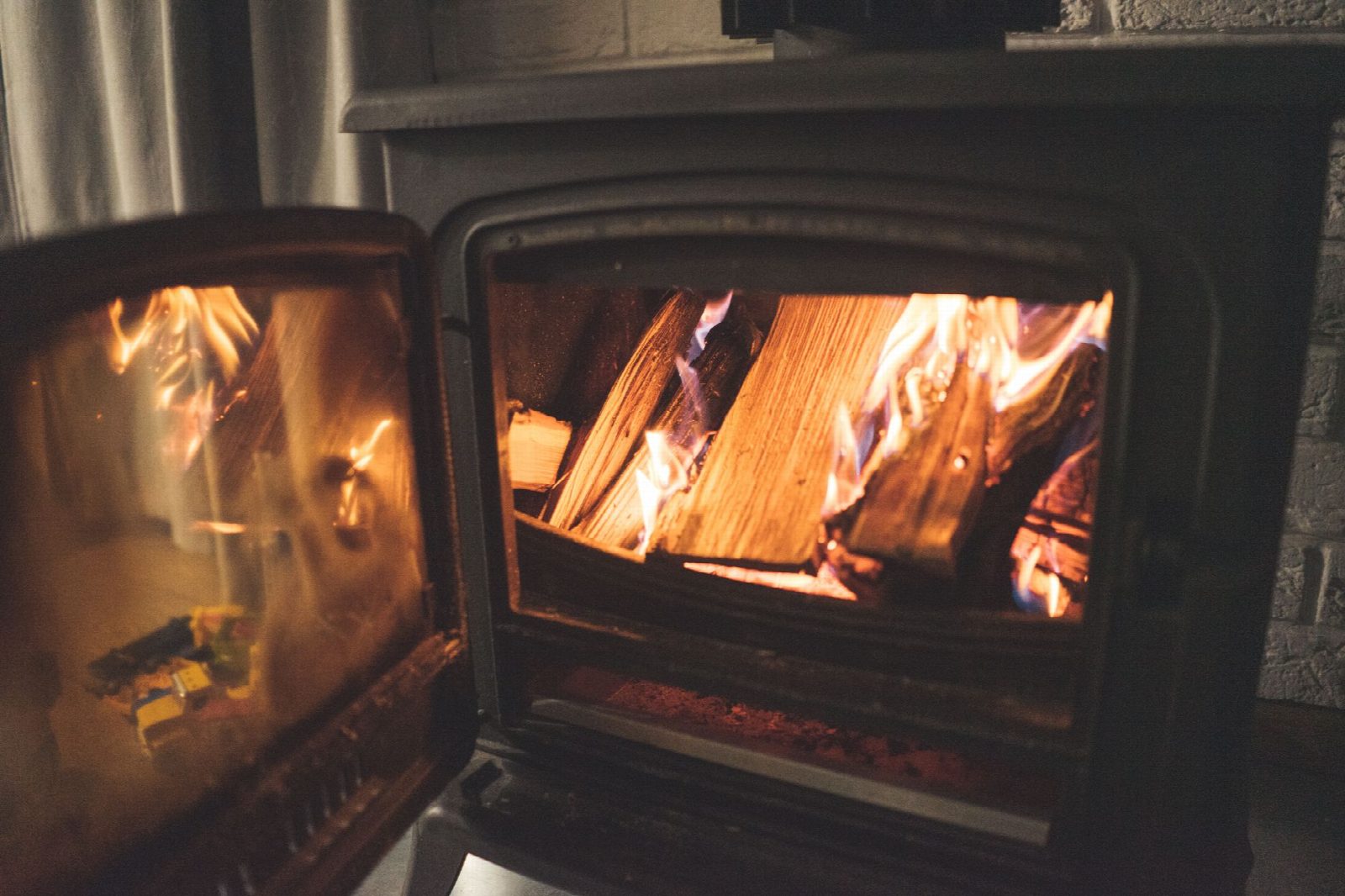
What happens on the day
Most linings follow the same pattern.
- Sweep and inspect. The chimney is swept and checked. We look for blockages, bird nests, old gather plates and anything that might stop the liner dropping through.
- Access the top. Scaffolding or a tower goes up, and the pot or cowl comes off.
- Drop the liner. The liner is lowered from the top with a rope and a nose cone, and guided out at the fireplace opening.
- Insulate. Vermiculite is poured around the liner, or it's wrapped before it goes down.
- Seal top and bottom. A clamp plate and cowl finish the top. A register plate or closure plate seals the bottom so the liner is the only route.
- Connect and test. The stove is connected, and the installation is smoke tested to confirm the flue is sound and pulling.
A straightforward lining is often a one-day job. Awkward access, shared stacks and very tall chimneys take longer.
Signs your chimney needs lining
- Brown or orange tar stains on the chimney breast upstairs
- A sooty smell in the room on wet or humid days
- Smoke coming back into the room when the stove door is opened
- The stove struggling to get going or going out when turned down
- A previous open fire that always smoked
If you're recognising any of these, it's worth a look before another winter.
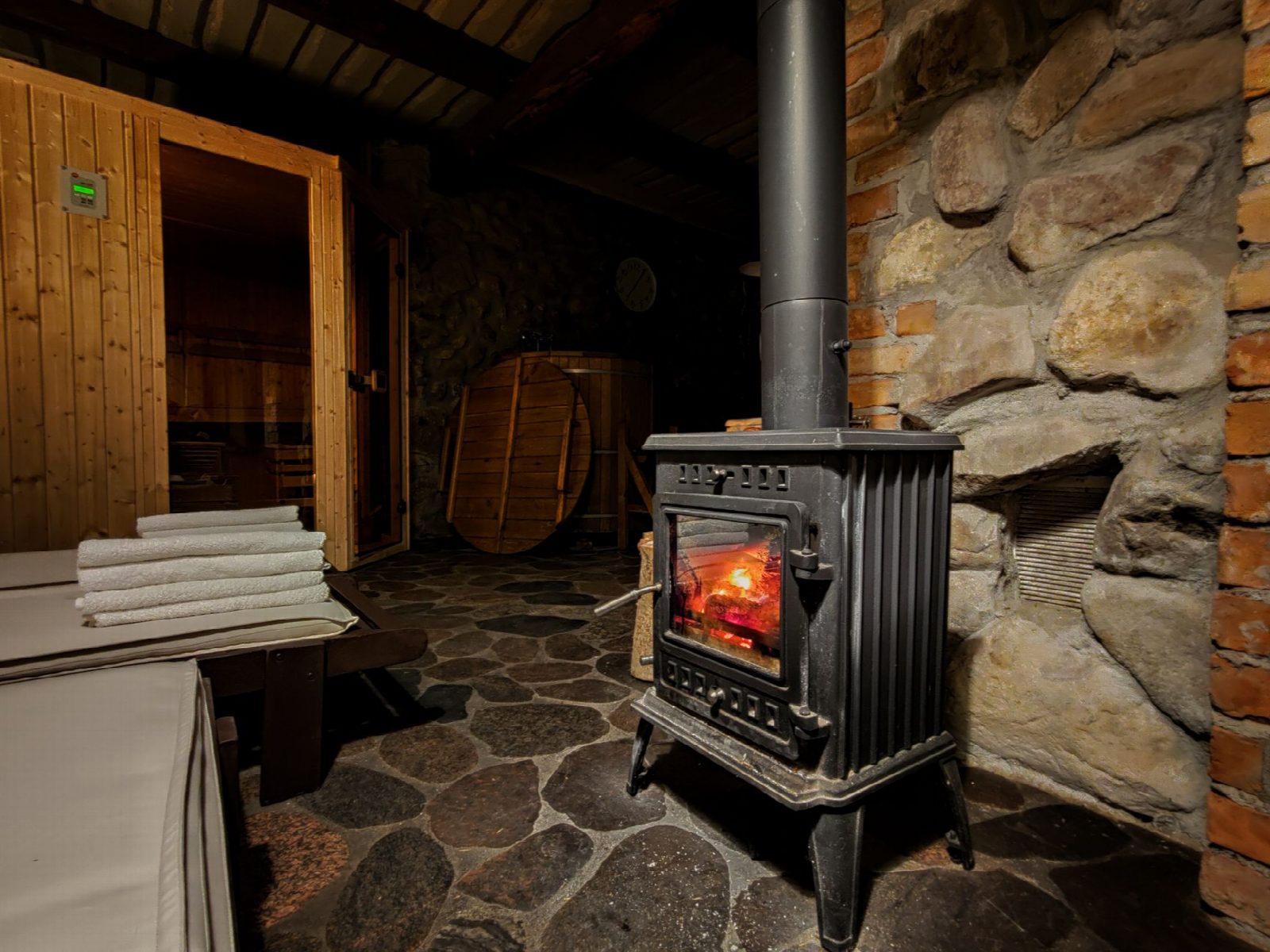
Lining as part of a stove install
Lining rarely happens on its own. It usually goes in alongside a stove installation, or when an old appliance is swapped out. If you're planning a new hearth and surround too, that's covered under fireplace fitting. Once the stove is in, an annual sweep and check keeps the liner clear, which is part of stove servicing.
You can see the rest of what we do on our services page, and more about the area we cover in Norfolk.
If your old chimney isn't behaving, or you're planning a stove in a period property, get in touch with Woodburners4u and we'll come and look at what you've got.