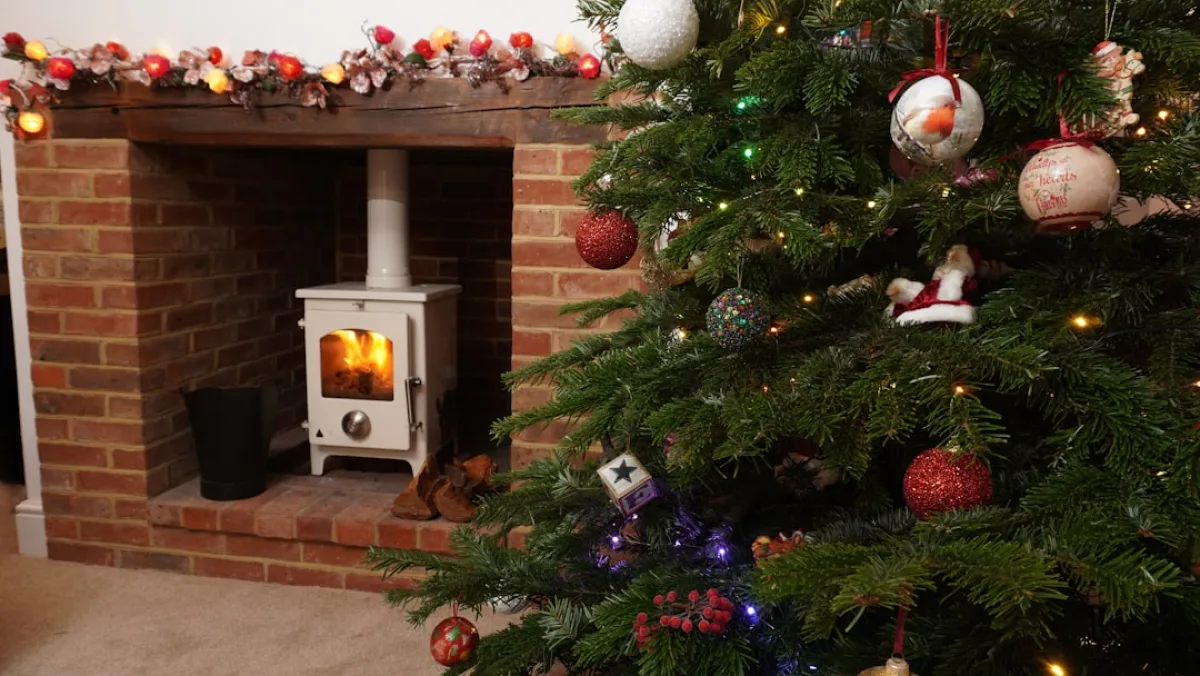
Fire Safety Responsibilities for Business Owners with Wood Burning Stoves
Graham Alderton · 6 Jul 2026
If you run a pub, restaurant, hotel, holiday let, or any other commercial premises that features a wood burning stove, fire safety is not something you can treat as an afterthought. As a business owner, you carry legal duties that go well beyond what a homeowner faces. Get things wrong and you risk enforcement action, insurance complications, and most importantly, the safety of your staff and guests.
Our team installs and services commercial stoves across the UK, and we see first-hand how often business owners are uncertain about exactly what their obligations are. This guide pulls everything together in one place, so you know where you stand and what steps to take.
Understanding Your Legal Duties as a Business Owner
The starting point for any commercial premises is the Regulatory Reform (Fire Safety) Order 2005. This legislation places responsibility on the responsible person, which is typically the business owner or employer, to carry out a suitable fire risk assessment and act on its findings. A solid fuel appliance introduces a live flame heat source into your building, which must be factored into that assessment.
Alongside fire safety law, you must also comply with:
- Building Regulations Part J, which covers the installation of combustion appliances and fuel storage
- British Standards BS EN 15287 and BS 8303, which set out requirements for flue installation and solid fuel appliances
- Local authority planning rules, particularly if your premises is a listed building or sits within a conservation area
- Smoke control zone legislation under the Clean Air Act 1993, if your business is located in a designated smoke control area
Our commercial installation service is built around full compliance with all of these requirements from day one, so you do not have to piece the regulations together yourself.
HETAS Certification and Building Regulations Approval
Any solid fuel appliance installed in a commercial setting must be installed correctly and documented properly. In England and Wales, the relevant route to compliance for solid fuel appliances sits under Building Regulations Part J. Work must either be notified to your local building control authority or carried out by a competent person registered with a government-approved scheme.
HETAS is the recognised body for solid fuel heating systems in the UK. A HETAS-registered engineer has been assessed as competent to install solid fuel appliances to the required standard and can self-certify the work, removing the need for a separate building control application in most cases.
Why does this matter for your business specifically? Because:
- An uncertified installation may invalidate your buildings or contents insurance
- Selling or transferring a commercial property requires documentation of notifiable work
- Environmental health or fire service officers can ask to see evidence of compliance at any time
- If an incident occurs and the installation cannot be shown to have been properly certified, liability falls squarely on the business owner
Our installers are HETAS registered and provide full certification on completion of every commercial installation. If you are taking over a premises with an existing stove and have no paperwork, we can carry out an inspection and advise you on the best course of action.
Flue Systems, Chimney Requirements and Ongoing Safety
The flue system is one of the most safety-critical parts of any wood burning installation, and in commercial settings the stakes are higher because the premises is likely to be occupied by members of the public. A poorly specified or maintained flue is a direct fire risk.
Getting the Specification Right
Commercial premises often present challenges that are not present in residential settings. High ceilings, multiple storeys, exposed external runs, and large open-plan spaces all affect how a flue system must be designed. The flue must generate enough natural draught to draw combustion gases safely out of the building. Too short, poorly routed, or undersized and you risk spillage of smoke and combustion gases into the occupied space.
For most commercial installations we specify twin-wall insulated flue systems. These maintain flue gas temperature along the run, which helps draught and significantly reduces the risk of dangerous creosote deposits building up inside the liner.
Carbon Monoxide Detection
A carbon monoxide alarm is not optional in a commercial setting. Carbon monoxide is odourless and colourless and can incapacitate or kill before anyone realises there is a problem. Alarms should be positioned in accordance with manufacturer guidance and British Standard BS EN 50291, tested regularly, and replaced within the manufacturer's specified service life.
Regular Chimney Sweeping
For commercial premises, chimneys should be swept at least twice per year if the appliance is in regular use, and at minimum once annually even if use is light. Creosote and soot deposits are combustible and a chimney fire in a commercial property is a major incident. Our commercial servicing team can set up a scheduled sweep programme to keep your flue clean and your documentation up to date.
Smoke Control Zones and Clean Air Act Compliance
If your business premises is located within a smoke control area, you cannot simply burn any solid fuel you choose. The Clean Air Act 1993 and subsequent regulations prohibit the emission of dark smoke from chimneys in designated areas, and the burning of unauthorised fuels.
To operate a wood burning stove legally in a smoke control zone you must use either:
- An exempt appliance, which is one approved by the Secretary of State as capable of burning wood without producing excessive smoke, or
- An authorised fuel, such as a DEFRA-approved smokeless fuel
The list of exempt appliances is maintained by DEFRA and updated regularly. When we specify a stove for your commercial premises we check whether you are within a smoke control area and advise accordingly. If you are unsure whether your premises is within a designated zone, your local authority environmental health department can confirm this.
Penalties for non-compliance are issued to the occupier of the premises, not to the installer or fuel supplier. As the business owner, it is your responsibility to ensure the right appliance and fuel are in use.
Choosing the Right Stove for Your Commercial Space
Beyond the compliance picture, choosing an appropriately sized and specified stove is fundamental to safe and effective operation in a commercial environment. An undersized stove will be driven too hard, leading to accelerated wear and increased maintenance costs. An oversized stove may be difficult to control, creating overheating risks and discomfort for guests or customers.
Heat Output and Room Volume
Commercial spaces are typically larger and often better ventilated than domestic rooms, which affects heat output requirements. High ceilings in particular mean that a simple floor area calculation will give you a misleading figure. Our team calculates required output based on room volume, insulation standard, glazing area, and typical occupancy to arrive at a realistic specification.
Fuel Choice for Commercial Settings
For most commercial wood burning stoves, kiln-dried hardwood logs are the preferred fuel. Properly dried wood with a moisture content below 20% burns cleanly and efficiently, produces less creosote, and delivers more usable heat per kilogram than green or poorly seasoned timber. Since August 2021, all wood sold in volumes under two cubic metres for burning in England must meet the Ready to Burn certification standard.
If your commercial operation involves larger scale heating requirements, for example a hotel, care home, or large hospitality venue, a biomass or boiler stove may offer a more practical and cost-effective solution, providing central heating and hot water as well as space heating from a single solid fuel appliance.
Ventilation Requirements
Solid fuel appliances require a supply of fresh air for combustion. In modern commercial buildings with high levels of draught-proofing, this must be provided through a dedicated permanent air vent. Getting this wrong can cause the appliance to draw poorly, produce smoke into the room, and in the worst case lead to carbon monoxide spillage. Our installers assess ventilation requirements as part of every commercial survey.
Maintenance Schedules and Record Keeping for Business Owners
Keeping a wood burning stove in safe working order in a commercial premises is an ongoing commitment, not a one-off task. We recommend business owners put in place a documented maintenance programme that covers the following:
- Pre-season inspection: Before the heating season begins, the appliance and flue should be inspected, the chimney swept, and any worn components replaced. This includes rope seals around doors and glass, baffle plates, and firebricks.
- Mid-season sweep: For appliances in heavy commercial use, a mid-season sweep is advisable to manage soot and creosote accumulation.
- Annual service: A full annual service covers the appliance internals, flue connections, draught performance, and carbon monoxide detector function.
- Staff briefing: Anyone responsible for operating the stove on a day-to-day basis should be briefed on correct lighting procedure, appropriate fuel, and what to do if they notice smoke spillage or the carbon monoxide alarm activates.
Keeping written records of sweeps, services, and any remedial work carried out is good practice and provides important documentation in the event of an insurance claim or inspection. Our commercial servicing team can provide detailed written reports after every visit.
We cover commercial premises across the UK. You can check whether we serve your area on our locations page, or browse the full range of commercial services we offer at our commercial stoves service page.
Summary: What Every Business Owner Should Have in Place
To operate a wood burning stove safely and legally in a commercial premises, you should be able to confirm the following:
- The appliance was installed by a HETAS-registered engineer and the installation is certified under Building Regulations
- The flue system is correctly specified, properly installed, and swept at least twice per year
- A working carbon monoxide alarm is fitted and regularly tested
- If you are in a smoke control zone, you are using an exempt appliance and authorised fuel
- You hold records of all sweeps, services, and inspections
- Your fire risk assessment reflects the presence of a solid fuel appliance
- Staff who operate the stove have been given appropriate guidance
If you have any doubts about any of the above, the best first step is to arrange an inspection and survey. Our team is straightforward to deal with and will give you honest advice about what is needed rather than recommending unnecessary work.
Related advice
Stove Output, Fuel and Compliance: A Practical Guide for Business Owners
From calculating the right heat output for your commercial space to understanding HETAS regulations and clean air zone rules, here is what every business owner needs to know before installing a wood burning stove.
24 Sep 2026
Read More
How to Create a Cosy Atmosphere in Your Commercial Space with a Wood Burning Stove
A well-chosen and correctly installed wood burning stove does far more than heat a commercial space. It shapes how guests feel the moment they walk through the door. Here is how to get it right.
23 Sep 2026
Read More
Firewood for Hospitality Venues: Fuel Quality, Storage and Keeping Supply Consistent
Running a pub, restaurant or hotel with a wood burning stove means thinking carefully about fuel. Here is our practical guide to choosing the right firewood, storing it properly and keeping your supply reliable all year round.
20 Sep 2026
Read More