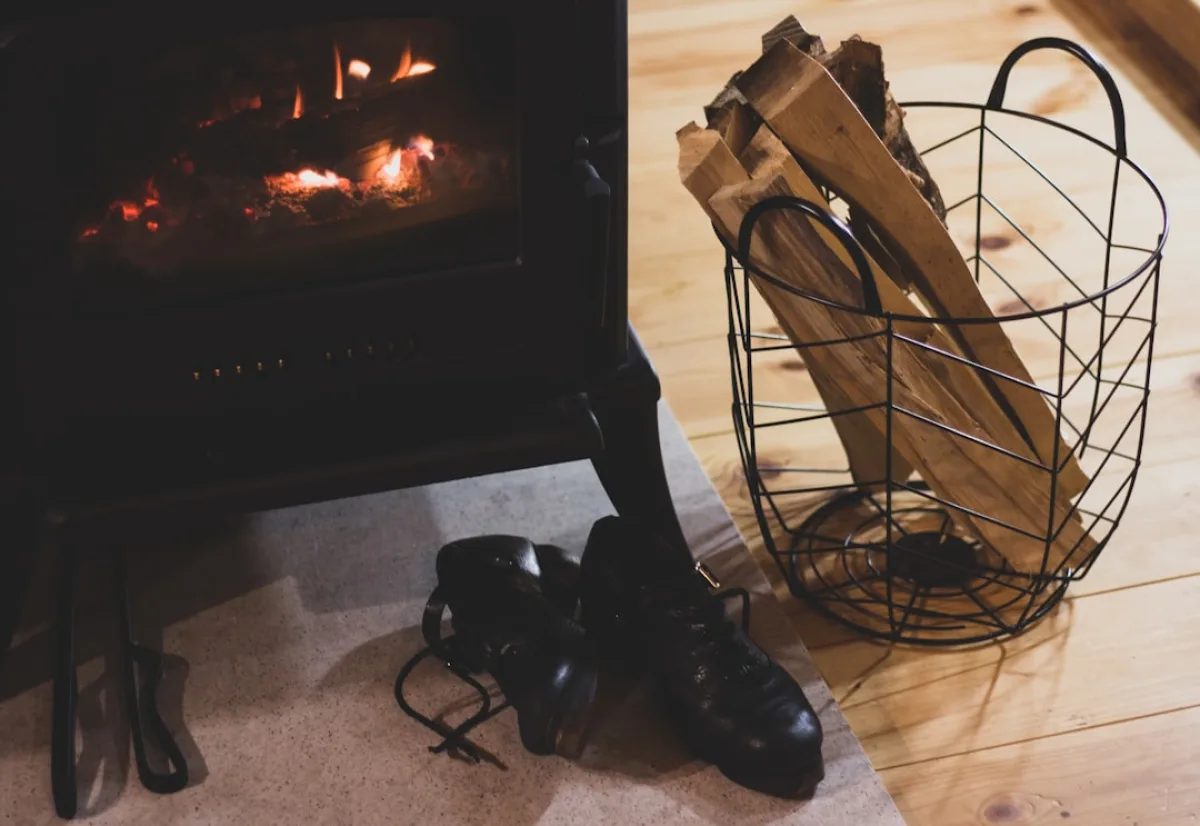
How to Keep a Commercial Wood Burning Stove Running Efficiently
Graham Alderton · 5 Jul 2026
A commercial wood burning stove is not a fit-and-forget installation. Whether it is heating a pub dining room, a hotel lounge, a farm shop, or a holiday let, the stove is expected to perform reliably day after day, often for extended hours. When efficiency drops, so does comfort for your customers and staff, and running costs start to climb. Getting the most from your installation comes down to good habits, the right fuel, and a consistent servicing schedule backed by qualified engineers.
Why Commercial Stoves Need More Attention Than Domestic Units
Commercial stoves face conditions that domestic installations rarely encounter. Longer burn cycles, higher volumes of staff and customers opening and closing doors, and greater pressure on the flue system all add up. A stove that runs for eight to twelve hours a day will accumulate soot, creosote, and ash far more quickly than one used for a few hours on winter evenings at home.
This means the maintenance intervals that suit a residential installation simply do not translate to a commercial setting. Our team works with business owners to put in place a servicing schedule that reflects actual usage rather than a generic calendar recommendation. You can find out more about what that looks like through our commercial servicing page.
The Role of the Flue System
An underperforming flue is one of the most common reasons a commercial stove loses efficiency. Poor draw causes the stove to burn sluggishly, smoke can spill back into the room, and combustion temperatures fall well below what is needed for a clean, efficient burn. In a commercial premises, a flue system must be designed to handle the output of the appliance and the specific characteristics of the building, including height, roof profile, and any nearby obstructions.
Our installers carry out a full flue assessment before any commercial installation to ensure draw will be adequate. Existing flues in older commercial buildings often need lining or modification before a new stove can be fitted. Getting this right from the start protects efficiency over the long term and keeps you on the right side of building regulations and HETAS requirements.
Fuel Quality Is Not Optional in a Commercial Setting
The fuel you burn has a direct and measurable effect on efficiency, output, and how quickly your stove and flue become fouled. In a commercial environment, where throughput of wood is significantly higher, burning poor-quality or wet wood causes rapid build-up of deposits in the firebox and flue, reduces heat output, and increases the risk of chimney fires.
We always recommend using kiln-dried or well-seasoned hardwood with a moisture content below 20 per cent. Fuel sold under the Ready to Burn scheme meets this standard and, for businesses operating in smoke control zones, using an approved fuel is not just good practice, it is a legal requirement.
Smoke Control Zones and Clean Air Act Obligations
If your premises sit within a designated smoke control zone, you are legally required to burn only approved fuels or to operate an exempt appliance. This applies equally to businesses and residential properties. Our team can advise on which stoves and fuels meet the requirements for your location. Falling foul of smoke control legislation can result in fines and enforcement action, so getting the right appliance specified from the outset matters.
Servicing Schedules That Reflect Commercial Use
For most commercial installations, an annual sweep and service is the absolute minimum. Many of our commercial clients, particularly those running pubs, restaurants, or busy holiday accommodation, benefit from more frequent attention. We generally recommend:
- A full sweep and inspection at the start of the burning season, before demand peaks and the stove is in daily use
- A mid-season check for stoves that run six or more hours per day, to clear accumulation and check seals and components
- An end-of-season service to address any wear before the stove is rested, and to identify parts that need replacing ahead of the following year
Between professional visits, your staff should be removing ash regularly, checking that door seals remain intact, and monitoring draw. A stove that suddenly starts behaving differently, smoking back, taking longer to light, or struggling to reach temperature, should not be left to the next scheduled visit. These are signs something needs attention sooner.
Staff Training Makes a Difference
In commercial premises, the stove is likely to be operated by multiple members of staff across shifts. Inconsistent lighting technique, overloading the firebox, and using the air controls incorrectly all reduce efficiency and accelerate wear. We provide practical guidance as part of our commercial installation process so that everyone responsible for operating the stove understands the basics. A well-operated stove burns cleaner, lasts longer, and costs less to run.
Choosing the Right Output for Your Space
No amount of servicing will compensate for an appliance that was never matched correctly to the space it is heating. An undersized stove in a large, draughty commercial room will be pushed beyond its comfortable operating range, leading to excessive wear, higher fuel consumption, and inconsistent results. An oversized stove run at low output will smoulder, producing more deposits and less usable heat.
Our team carries out a proper heat loss calculation before recommending any commercial appliance. This takes into account ceiling height, glazing, insulation, how the space is used, and the hours the stove needs to perform. If you are exploring options for a commercial space, our commercial stoves service gives a clear overview of what we offer and how we approach specification.
For premises that need more than space heating, a biomass or boiler stove may be worth considering. These systems can contribute to hot water and underfloor heating circuits alongside room heating, and they change the efficiency calculation considerably.
Protecting Your Investment Over Time
A commercial wood burning stove represents a meaningful investment, and the return on that investment depends heavily on how well the appliance is maintained. Neglected stoves corrode faster, require more expensive repairs, and deliver less heat per unit of fuel. Stoves that are properly serviced and operated with good-quality fuel can deliver reliable performance for many years.
If you are unsure whether your current servicing arrangements are adequate, or if you are considering a new commercial installation, our team is happy to advise. You can also browse our frequently asked questions for answers to common queries about commercial appliances, compliance, and fuel. For details of the areas we cover, visit our locations page.
Related advice
Stove Output, Fuel and Compliance: A Practical Guide for Business Owners
From calculating the right heat output for your commercial space to understanding HETAS regulations and clean air zone rules, here is what every business owner needs to know before installing a wood burning stove.
24 Sep 2026
Read More
How to Create a Cosy Atmosphere in Your Commercial Space with a Wood Burning Stove
A well-chosen and correctly installed wood burning stove does far more than heat a commercial space. It shapes how guests feel the moment they walk through the door. Here is how to get it right.
23 Sep 2026
Read More
Firewood for Hospitality Venues: Fuel Quality, Storage and Keeping Supply Consistent
Running a pub, restaurant or hotel with a wood burning stove means thinking carefully about fuel. Here is our practical guide to choosing the right firewood, storing it properly and keeping your supply reliable all year round.
20 Sep 2026
Read More