
We're Woodburners4u, and we install and service stoves and wood burners across Norfolk and Suffolk, including older cottages where the chimney is a good deal older than the stove going into it. A wood burner in a Suffolk cottage is rarely a straight swap, and this page explains why.
What makes a cottage different
Older cottages were built around open fires, not stoves. The flue was designed to carry a lot of warm air up a wide brick or rendered chimney, and the fireplace opening was sized for logs sitting on the hearth rather than inside a steel box. When you put a modern stove in that same opening, the flue gases are cooler and there's far less of them. A wide, cold chimney can then struggle to draw properly, and you get smoke drifting into the room or tar forming inside the stack.
Many Suffolk cottages also have timber frames, lath and plaster, soft lime mortar and floors that aren't level. All of that affects where a stove can sit, what the hearth needs to be, and how much work goes in before the stove arrives.
Checking the chimney first
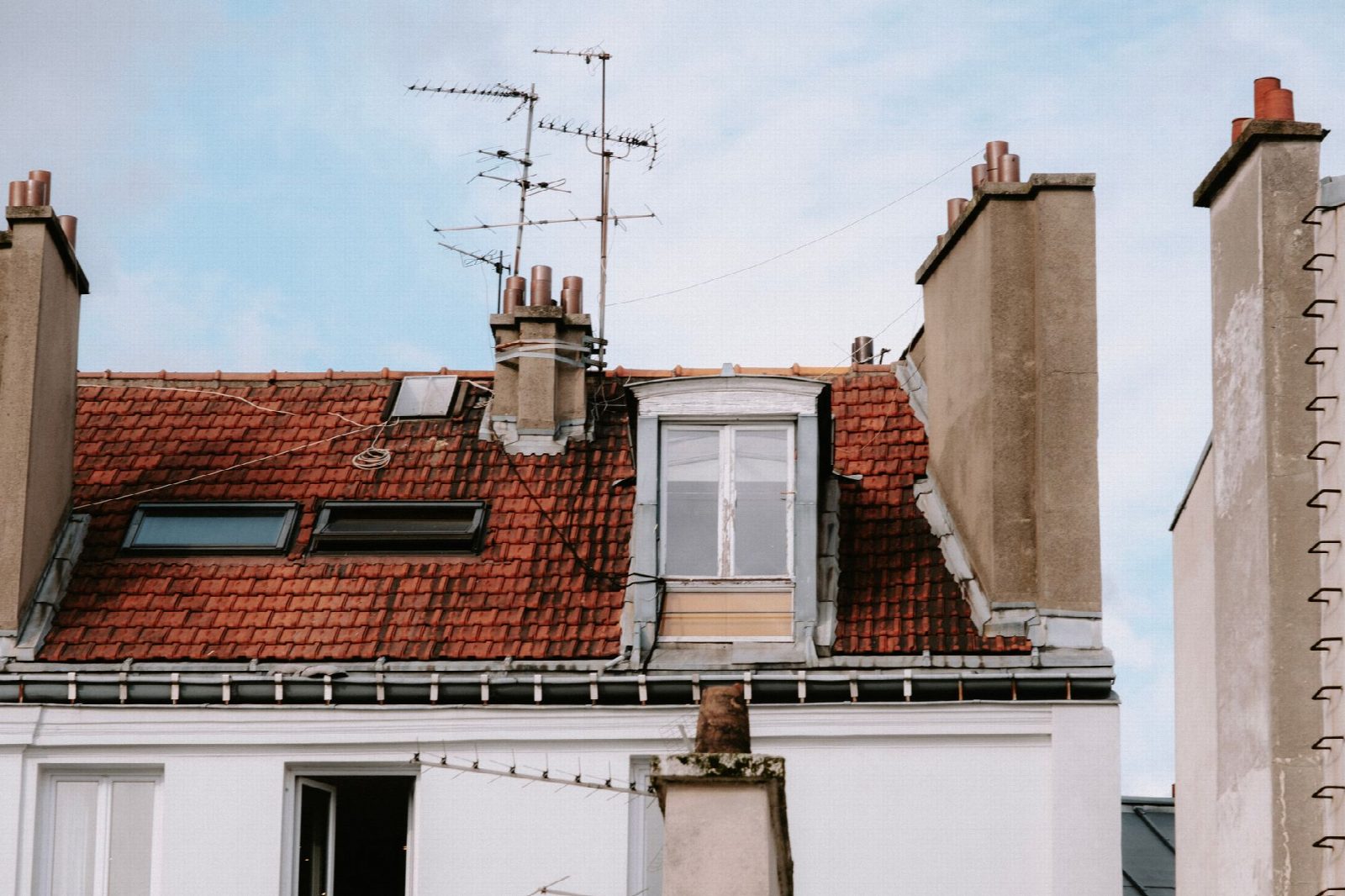
Before we talk about stoves, we look at the chimney. That means checking what it's built from, how wide the flue is, where it runs inside the house, and what condition the brickwork and mortar joints are in. Old stacks sometimes share a flue with another fireplace, or have been partly blocked up at some point and forgotten about.
If the flue is sound but oversized for a stove, lining is usually the answer. A flexible stainless liner gives the stove a correctly sized route to the top of the chimney, keeps the flue gases warmer so they rise properly, and stops smoke leaking through old mortar into bedrooms or the roof space. You can read more about how we handle this on our chimney lining page.
Where the stack is in poor condition, that gets dealt with before anything else. There's no point fitting a stove to a chimney that needs repointing or rebuilding at the top.
Choosing a wood burner in Suffolk cottages
The most common mistake is going too big. A cottage sitting room with low ceilings, thick walls and a small floor area doesn't need a large output stove. Oversize it and you end up running the stove slowly and dirtily with the air shut down, which blackens the glass and coats the flue. We'd rather fit something smaller that can be run properly hot.
Fireplace opening size matters too. Some cottage inglenooks are enormous and swallow a small stove visually, while others are narrow with a low brick arch that limits stove height. Clearances to combustible materials come into it as well, and in a timber-framed cottage with an oak bressummer beam above the opening, that's a real consideration rather than a box-ticking exercise.
If you burn more than just logs, or you want the option of smokeless fuel, a multi fuel stove gives you a grate and ashpan designed for it. Wood-only stoves burn logs on a flat bed of ash instead.
Hearths and floors
The hearth has to protect the floor from heat and from anything falling out of the stove. In a cottage with suspended timber floors or old pamment tiles, the existing hearth often isn't deep enough forward of the stove or isn't the right construction underneath. Sometimes we can work with what's there; sometimes a new hearth goes in. Slate, granite, honed limestone and riven stone all work, and we'll talk through what suits the room.
Uneven floors are worth mentioning early. A stove needs to sit level so the door closes and seals properly, so packing or a levelled base is sometimes part of the job.
Air supply
Cottages that have been draught-proofed, with new windows and insulated floors, can be tight enough that a stove struggles to get the air it needs. That shows up as a sluggish fire, or smoke puffing out when you open the door. Depending on the stove output and how sealed the room is, an air vent or a direct external air supply to the stove may be needed.
What the installation involves
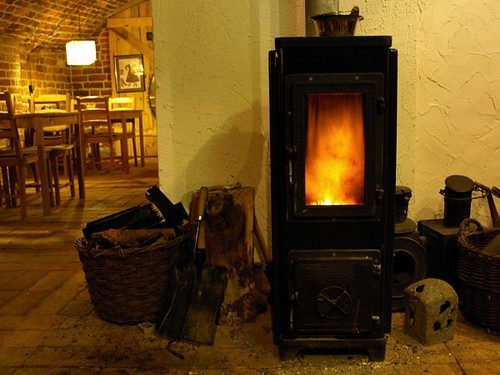
On fitting day we protect floors and furniture, open up and prepare the fireplace, drop or feed the liner down the chimney, seal and register the top, and connect the stove. The stove is then checked for draw and the controls set up. We'll run through lighting it, how to use the air controls, what fuel to burn and what moisture content to look for.
The full picture of what's included is on our stove installation page, and if you're opening up a blocked fireplace or want the surround changed at the same time, see fireplace fitting.
Afterwards
A stove in regular use needs sweeping and servicing. Rope seals perish, baffle plates warp, glass gets scratched and fire bricks crack. We cover that under stove servicing. Keeping on top of it keeps the stove drawing properly and the flue clear.
If you're thinking about a wood burner in a cottage anywhere in Suffolk, get in touch with Woodburners4u and we'll come and look at the chimney and the room before suggesting anything.