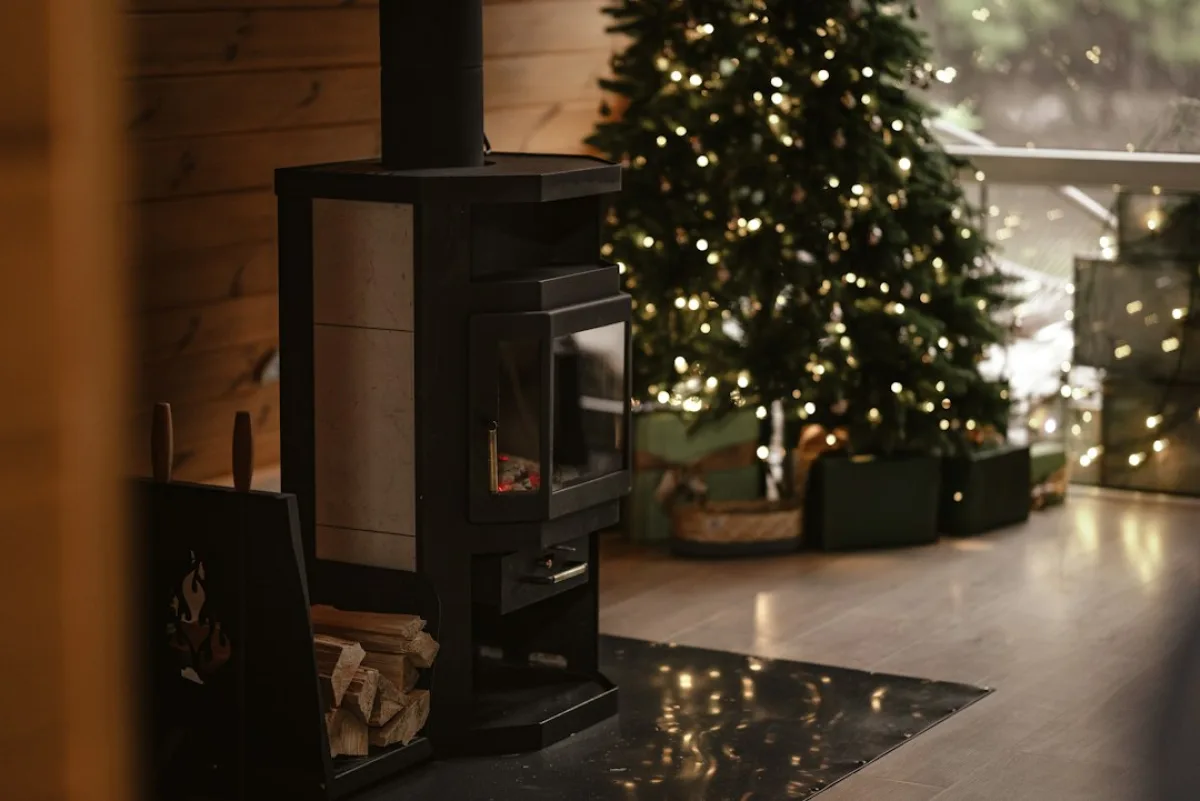
Fitting a Wood Burning Stove in a Pub, Café or Restaurant: What You Need to Know
Graham Alderton · 18 Sep 2026
There is something about a real fire that changes the feel of a room. In a pub, café or restaurant, a wood burning stove does not just provide warmth — it creates an atmosphere that keeps customers comfortable and coming back. We install commercial stoves across the UK and we know that getting the details right from the start makes all the difference between a stove that works hard for your business and one that causes headaches down the line.
If you are thinking about adding a stove to your commercial premises, this guide covers the key things you need to understand before work begins. For a full overview of what we offer, visit our commercial stoves page.
Regulations and Compliance for Commercial Stove Installations
Commercial premises are subject to stricter rules than domestic properties, and rightly so. Before we carry out any installation in a pub, café or restaurant, we make sure the project meets all relevant requirements.
Building Regulations and HETAS Certification
In England and Wales, solid fuel appliance installations must comply with Part J of the Building Regulations. This covers combustion appliances, flue systems, and the protection of the surrounding structure. Our installers are HETAS registered, which means we can self-certify the installation and notify your local authority on your behalf — saving you the time and cost of applying for a separate building control inspection.
Commercial premises also fall under the Regulatory Reform (Fire Safety) Order 2005. This means the responsible person for the building must ensure that the stove installation is factored into the premises' fire risk assessment. We provide the documentation you need to support that process.
Smoke Control Zones
Many town and city centre pubs, cafés and restaurants sit within a smoke control zone under the Clean Air Act 1993. In these areas, you cannot burn ordinary wood unless the appliance is an exempt appliance approved by DEFRA. We only supply and install DEFRA-approved stoves, and we will confirm your premises' smoke control status before we recommend a model. If you are outside a smoke control zone but still want to keep emissions low, we can advise on fuel choices that suit your situation.
Choosing the Right Stove Output for a Commercial Space
Getting the heat output right is one of the most important decisions in any commercial stove project. Too little output and the stove struggles to warm the room. Too much and the space becomes uncomfortable and you end up with windows open in January.
Calculating the Heat Requirement
Commercial spaces tend to have higher ceilings, more air changes per hour, and greater heat loss through doors being opened regularly. A rough domestic calculation based on room volume alone is not sufficient for a pub or restaurant. Our team carries out a proper assessment that accounts for ceiling height, insulation levels, glazing, ventilation, and how the space is used throughout the day.
A busy pub with a high turnover of customers opening the door constantly will need a different approach to a small café with good insulation and a quieter trade. We take all of that into account before recommending a specific model and output rating.
Multiple Stoves Versus a Single Large Appliance
In larger premises, it is sometimes better to install two or three stoves in different areas rather than one very large unit. This gives you more flexibility, creates several focal points, and means you can run only the stoves you need during quieter periods. Our team can advise on the most practical layout for your space during the survey visit.
Flue Systems and Chimney Requirements
The flue is as important as the stove itself. A poorly designed or installed flue system will cause poor draw, smoke spillage, and potential safety issues — none of which you want in a customer-facing environment.
Using an Existing Chimney
Many older pub and café buildings have existing chimneys. Before we use one, we carry out a full inspection, including a CCTV survey where needed, to check for structural integrity, blockages, and the correct liner sizing. Older chimneys almost always require a new stainless steel flue liner to bring them up to standard for a solid fuel appliance.
Installing a New Twin-Wall Flue System
Where there is no existing chimney, we install a twin-wall insulated flue system. These can be routed internally or externally depending on the building layout, and they are suitable for listed buildings and modern constructions alike. We handle the full design and installation, including any penetrations through walls, floors, or roofs, and we ensure the terminal position meets clearance requirements.
Fuel Choice and Ongoing Efficiency
The fuel you burn has a direct impact on how efficiently your stove performs and what it costs to run. In a commercial setting where the stove may be lit for long hours, choosing the right fuel matters.
We always recommend using kiln-dried hardwood logs with a moisture content below 20 percent. Wet or unseasoned wood produces far less heat per kilogram, generates more smoke, and causes rapid build-up of tar and creosote in the flue — increasing the risk of a chimney fire and the frequency of sweeping required. Look for the Woodsure Ready to Burn logo when sourcing your fuel supply.
If your premises has the space and the appetite for a larger heat output across multiple zones, a biomass or boiler stove may be worth considering. These units can connect to a wet heating system and deliver heat to radiators as well as providing the visual appeal of a real fire.
Servicing and Maintenance Schedules for Commercial Premises
A stove in a pub or restaurant is likely to be in use far more hours per week than a domestic appliance. That means more frequent servicing is essential — not just for performance, but for your legal obligations as a business owner.
We recommend that commercial stoves are swept and inspected at least twice a year, and in many cases more frequently depending on usage levels and the fuel being burned. Our commercial servicing team can set up a scheduled maintenance plan so you are never caught out, and we provide written records of each visit to support your fire risk assessment paperwork.
Between professional sweeps, your staff should check that the glass stays reasonably clear, that the door seals are intact, and that ash is removed regularly. We provide guidance for your team at the point of handover so that day-to-day operation is straightforward.
Planning Your Installation
Every commercial installation starts with a survey. Our team visits your premises, assesses the space, checks the chimney or plans a flue route, and gives you a clear picture of what is involved and what it will cost. There are no surprises and no hidden extras.
We cover premises across the UK — you can check our locations page to see the areas we serve. If you have questions before booking a survey, our frequently asked questions page covers many of the common queries we receive from commercial customers.
Whether you are fitting a single stove in a village pub or equipping a larger restaurant with multiple appliances, our team has the experience and the accreditations to carry out the work properly. Get in touch to arrange your survey and we will take it from there.
Related advice
Stove Output, Fuel and Compliance: A Practical Guide for Business Owners
From calculating the right heat output for your commercial space to understanding HETAS regulations and clean air zone rules, here is what every business owner needs to know before installing a wood burning stove.
24 Sep 2026
Read More
How to Create a Cosy Atmosphere in Your Commercial Space with a Wood Burning Stove
A well-chosen and correctly installed wood burning stove does far more than heat a commercial space. It shapes how guests feel the moment they walk through the door. Here is how to get it right.
23 Sep 2026
Read More
Firewood for Hospitality Venues: Fuel Quality, Storage and Keeping Supply Consistent
Running a pub, restaurant or hotel with a wood burning stove means thinking carefully about fuel. Here is our practical guide to choosing the right firewood, storing it properly and keeping your supply reliable all year round.
20 Sep 2026
Read More