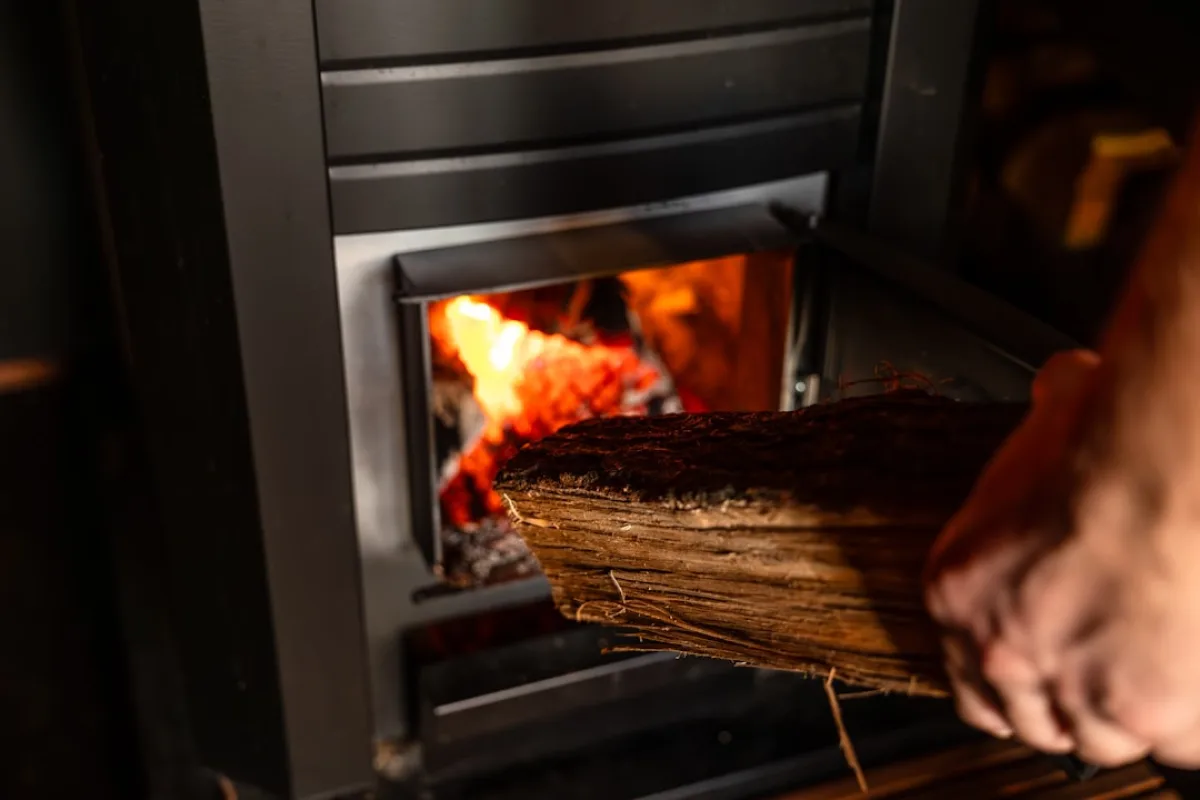
How Often Should You Sweep Your Chimney?
Colin Whitmore · 29 Jul 2026
If you own a wood burning stove, chimney sweeping is not optional. It is a straightforward part of responsible stove ownership, and getting the frequency right protects your home, your family, and your appliance. We get asked about this constantly, so we have put together this complete guide to help you understand exactly what is needed and why.
Why Chimney Sweeping Matters So Much
Every time you burn wood, combustion gases travel up your flue and some of the by-products are deposited on the inner walls of the chimney. The most significant of these is creosote, a tar-like substance that builds up over time. In its early stages it looks like a dark, sooty coating. Left unchecked, it hardens into a thick, glazed layer that is highly flammable.
A chimney fire can reach temperatures well above 1,000 degrees Celsius. Even a well-built flue lining can crack under that kind of heat, potentially allowing flames or toxic gases to enter the fabric of your home. Chimney sweeping removes this build-up before it becomes dangerous.
Soot and debris also restrict the draw of your flue. A partially blocked chimney reduces the airflow your stove needs to burn efficiently, leading to smouldering fires, excessive smoke, and wasted fuel. Regular sweeping keeps everything working as it should.
There is also a carbon monoxide risk to consider. A blocked or restricted flue can cause combustion gases, including carbon monoxide, to spill back into the room rather than venting safely outside. This is why we always recommend fitting a carbon monoxide alarm close to your stove, and why a clear, well-maintained flue is so important.
How Often Should You Sweep Your Chimney?
The honest answer is that it depends on how much you use your stove and what fuel you burn. Below are the guidelines we follow and pass on to every customer.
Wood Burning Stoves
If you burn wood, you should sweep your chimney at least once a year. If you use your stove regularly throughout the winter months, we recommend sweeping twice a year as a minimum. A sweep at the start of the burning season gets you off to a clean start, and a second sweep mid-season or at the end of winter keeps everything in good condition.
Burning unseasoned or wet wood dramatically increases the rate at which creosote accumulates. Wet wood does not combust cleanly, so more unburnt particles are deposited in your flue. If you have been burning wood that was not properly dried, you may need to sweep more frequently than someone burning well-seasoned or kiln-dried logs.
Multi-Fuel Stoves
If you run a multi-fuel stove and burn smokeless fuel as well as wood, the sweeping schedule changes slightly. Smokeless fuels tend to produce less creosote than wood but they do still generate deposits. A general guide is to sweep at least once a year for smokeless fuel and at least twice a year if you are burning wood regularly in the same appliance.
Occasional Use
Even if you only light your stove occasionally, an annual sweep is still necessary. Birds, insects, and debris can block or partially obstruct a flue that sits unused for long periods. A sweep before the first fire of the season gives you peace of mind and ensures the flue is clear and safe before you light up.
What Happens During a Chimney Sweep?
A professional chimney sweep is a thorough inspection and clean, not just a quick brush through. When our team carries out a sweep, here is what you can expect.
Preparation
We protect the area around your fireplace or stove before we start. Drop cloths are laid down, and your stove or fireplace opening is sealed off to contain soot and debris. The job is tidy when done correctly.
The Sweep Itself
Specialist brushes on flexible rods are fed up through the flue to dislodge soot and creosote deposits. The debris falls into a collection point where it is bagged and removed. Depending on your flue setup and the level of build-up, this process can take anywhere from thirty minutes to over an hour.
Inspection
A good sweep always includes a visual inspection of the flue lining and the accessible parts of the chimney. We look for cracks, damage, blockages, and signs of deterioration. If we spot anything that needs attention, such as a damaged liner or a deteriorating pot, we will tell you clearly and explain what needs to be done.
You can read more about what is involved in our stove servicing and sweeping service, which combines a full sweep with a safety check of your appliance.
Certification
After the sweep, a competent sweep will issue a certificate confirming the work carried out. Some home insurance policies require evidence of regular sweeping, so it is worth keeping this documentation safe. If you are unsure what your insurer expects, check your policy documents directly.
Who Should Carry Out the Sweep?
Chimney sweeping should always be done by a qualified professional. In the UK, HETAS-registered sweeps have been trained and assessed to a recognised standard, and they carry the appropriate knowledge and equipment to do the job safely and thoroughly.
Attempting to sweep your own chimney without the right tools and training risks missing significant build-up, damaging your flue liner, or making an existing problem worse. It also means you will not have any certification to show if it is ever required.
Our team covers a wide area across the UK. If you are based in the east of England, you can find out more about our chimney sweeping in Norfolk and our chimney sweeping in Suffolk.
Signs Your Chimney Needs Sweeping Now
Even if your last sweep was not that long ago, there are warning signs that suggest your flue needs attention sooner rather than later.
- Smoke entering the room when the stove is lit, particularly if this is a new problem.
- A strong, unpleasant smell coming from the stove or fireplace, especially when the appliance is cold.
- Poor draw making it difficult to get the fire going or keep it burning well.
- Visible soot or debris falling into the fireplace or around the stove.
- Reduced efficiency where you are using more fuel than usual for the same heat output.
- A carbon monoxide alarm activating while the stove is in use.
If you notice any of these signs, stop using the stove and arrange a sweep and inspection as soon as possible. Do not light the stove again until it has been checked.
Chimney Sweeping and Your Flue Liner
Many older chimneys in UK homes were not built with a modern wood burning stove in mind. If your stove was installed into an existing chimney, you may have a flexible stainless steel liner running inside the original structure. This liner channels gases safely from the stove to the outside and it needs regular sweeping just like any other flue.
Lined flues tend to accumulate deposits in slightly different ways to open masonry flues, and the sweep process requires appropriate flexible equipment to reach all areas. If you have a liner installed and are unsure when it was last inspected, our chimney lining and flue service page has more information on what we offer and what to look out for.
Making Sweeping Part of Your Stove Routine
The easiest way to stay on top of chimney sweeping is to book it as a regular appointment, in the same way you might schedule a boiler service. Many of our customers book a sweep at the end of spring, once they have finished using the stove for the season, and then a second one in early autumn before they light it again. This approach means the flue is clean going into storage, and clean again before the first fires of winter.
Pairing your sweep with a full stove service is worth considering. During a service, we check door seals, grates, baffle plates, and other components that wear over time. Catching wear early saves money and keeps your stove performing at its best.
If you have questions about how often to sweep for your particular setup, or you want to book a sweep and service, take a look at our frequently asked questions or get in touch with our team directly. We are happy to give you straightforward advice based on your stove, your fuel, and how often you use it.
Related advice
Stove Output, Fuel and Compliance: A Practical Guide for Business Owners
From calculating the right heat output for your commercial space to understanding HETAS regulations and clean air zone rules, here is what every business owner needs to know before installing a wood burning stove.
24 Sep 2026
Read More
How to Create a Cosy Atmosphere in Your Commercial Space with a Wood Burning Stove
A well-chosen and correctly installed wood burning stove does far more than heat a commercial space. It shapes how guests feel the moment they walk through the door. Here is how to get it right.
23 Sep 2026
Read More
Firewood for Hospitality Venues: Fuel Quality, Storage and Keeping Supply Consistent
Running a pub, restaurant or hotel with a wood burning stove means thinking carefully about fuel. Here is our practical guide to choosing the right firewood, storing it properly and keeping your supply reliable all year round.
20 Sep 2026
Read More