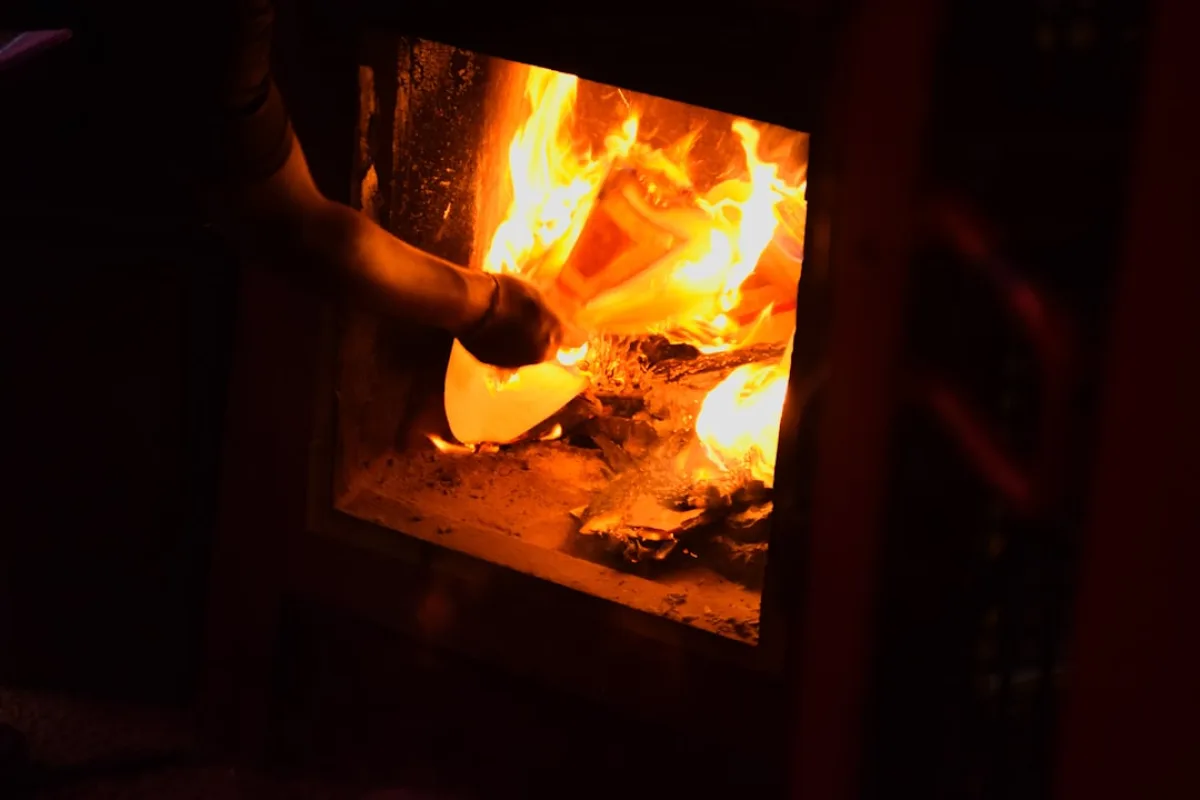
How to Choose the Right Wood Burning Stove for Your Home
Colin Whitmore · 27 Jun 2026
Choosing a wood burning stove is one of the most satisfying decisions you can make for your home. A well-chosen stove will keep you warm for decades, add real character to a room, and reduce your reliance on central heating. But with so many models, sizes, and specifications available, it can be hard to know where to start.
Our team installs wood burning stoves across the UK every week, and the questions we hear most often are the same: What output do I need? Can I burn wood and coal? Do I need a DEFRA-exempt model? We have put together this guide to help you think through the key decisions before you buy.
Start With Your Heating Output Requirements
Output is measured in kilowatts (kW) and tells you how much heat a stove can produce. Getting this right is important. Too small and the stove will struggle to heat the room; too large and you will be constantly damping it down, which is bad for the appliance and produces unnecessary smoke.
As a general starting point, you can estimate the required output by calculating the volume of the room in cubic metres and dividing by 14. So a room that measures 5m x 4m x 2.4m has a volume of 48 cubic metres, suggesting you need roughly a 3.5 kW stove. Older properties with poor insulation, large windows, or open-plan layouts will need more output to compensate for heat loss.
If you are unsure about the calculation, our team is happy to advise during a stove supply and installation consultation. We assess the room properly before recommending a model, so you are not left guessing.
Wood Only or Multi-Fuel?
This is one of the first practical decisions to make. Wood burning stoves are designed exclusively for seasoned or kiln-dried logs. Multi-fuel stoves can burn both wood and approved solid fuels such as smokeless coal and anthracite, thanks to a raised grate that allows air to circulate beneath the fuel.
If you have reliable access to good quality wood and prefer the traditional look and feel of burning logs, a wood-only stove is a perfectly sensible choice. If you want flexibility, or if you live somewhere where sourcing wood regularly is difficult, a multi-fuel stove gives you more options throughout the year.
Bear in mind that burning wet or unseasoned wood is harmful to both the stove and the flue, and is now restricted under the Ready to Burn regulations in the UK. Always use fuel with a moisture content of 20 per cent or below.
Check Whether You Live in a Smoke Control Zone
This step is non-negotiable. Much of urban and suburban England, Wales, and Scotland is covered by smoke control zones, where you are legally prohibited from emitting dark smoke from a chimney. If you live in one of these areas, you must use a DEFRA-exempt appliance, which is a stove that has been independently tested and approved for use in smoke control zones.
DEFRA-exempt stoves are engineered to burn cleanly at lower fuel loads and are the only legal option in a smoke control zone. Our team can confirm whether your property falls within a designated zone and supply an appropriate model. You can also find more detail on regulations and what they mean for your installation on our frequently asked questions page.
Think About Your Flue and Chimney
Even the best stove on the market will underperform if the flue system is not right. The flue draws combustion gases safely out of your home and creates the draught that keeps the fire burning. For a wood burning stove, the flue needs to reach a minimum temperature and maintain the correct draw, which depends on its height, diameter, and condition.
If your property already has an existing chimney, it will likely need to be lined before the stove is installed. An unlined chimney can allow combustion gases to permeate brickwork, which is both a safety risk and a cause of poor stove performance. If there is no chimney, we can install a twin-wall flue system that passes through the ceiling and roof, giving you the same result without the masonry.
Our chimney lining and flue service covers both options. Our installers will survey your existing flue before any work begins and recommend the right solution for your property and stove.
Efficiency Ratings and Ecodesign
Since 2022, all new stoves sold in the UK must meet Ecodesign standards, which set minimum efficiency levels and limits on particulate and carbon monoxide emissions. Most Ecodesign-ready stoves achieve efficiency ratings of 75 per cent or above, meaning a far greater proportion of the fuel's energy reaches the room rather than going up the flue.
When comparing models, look at the net efficiency figure on the product data sheet. A higher efficiency rating means less wood consumed for the same heat output, which saves money on fuel over time. It also means a cleaner burn, which is better for the flue and produces less residue.
Consider the Installation Requirements
A wood burning stove installation in the UK must comply with Part J of the Building Regulations in England, or equivalent regulations in Scotland, Wales, and Northern Ireland. This covers hearth dimensions, clearances to combustible materials, flue specification, and ventilation requirements.
All installations must be carried out or inspected by a competent person. Our installers are HETAS registered, which means they can self-certify the work and notify your local building authority on your behalf. You receive a commissioning certificate, which is important for insurance purposes and when selling the property. You can read more about what our HETAS certification service covers and why it matters.
Aesthetics and Fitting
Once the technical boxes are ticked, you have the enjoyable part: choosing a stove that suits the room. Contemporary stoves tend to feature large glass panels and clean lines, while traditional cast iron models suit period properties. Freestanding stoves work well in larger rooms, while inset models sit within the fireplace opening and suit smaller spaces where floor area is at a premium.
Think about the hearth at the same time. Building Regulations require a non-combustible hearth of minimum dimensions, and the style of hearth you choose will frame the stove and contribute significantly to the overall look of the fireplace. Our team handles the full package, including fireplace and hearth fitting, so everything is coordinated from the start.
What to Do Next
If you are ready to move forward, or simply want to talk through the options before committing, our team is here to help. We supply and install stoves across the UK and can advise on everything from output and fuel type to flue design and building regulations compliance. Visit our locations page to see the areas we cover, or browse our full range of stove services to find out more about what we offer.
Related advice
Stove Output, Fuel and Compliance: A Practical Guide for Business Owners
From calculating the right heat output for your commercial space to understanding HETAS regulations and clean air zone rules, here is what every business owner needs to know before installing a wood burning stove.
24 Sep 2026
Read More
How to Create a Cosy Atmosphere in Your Commercial Space with a Wood Burning Stove
A well-chosen and correctly installed wood burning stove does far more than heat a commercial space. It shapes how guests feel the moment they walk through the door. Here is how to get it right.
23 Sep 2026
Read More
Firewood for Hospitality Venues: Fuel Quality, Storage and Keeping Supply Consistent
Running a pub, restaurant or hotel with a wood burning stove means thinking carefully about fuel. Here is our practical guide to choosing the right firewood, storing it properly and keeping your supply reliable all year round.
20 Sep 2026
Read More