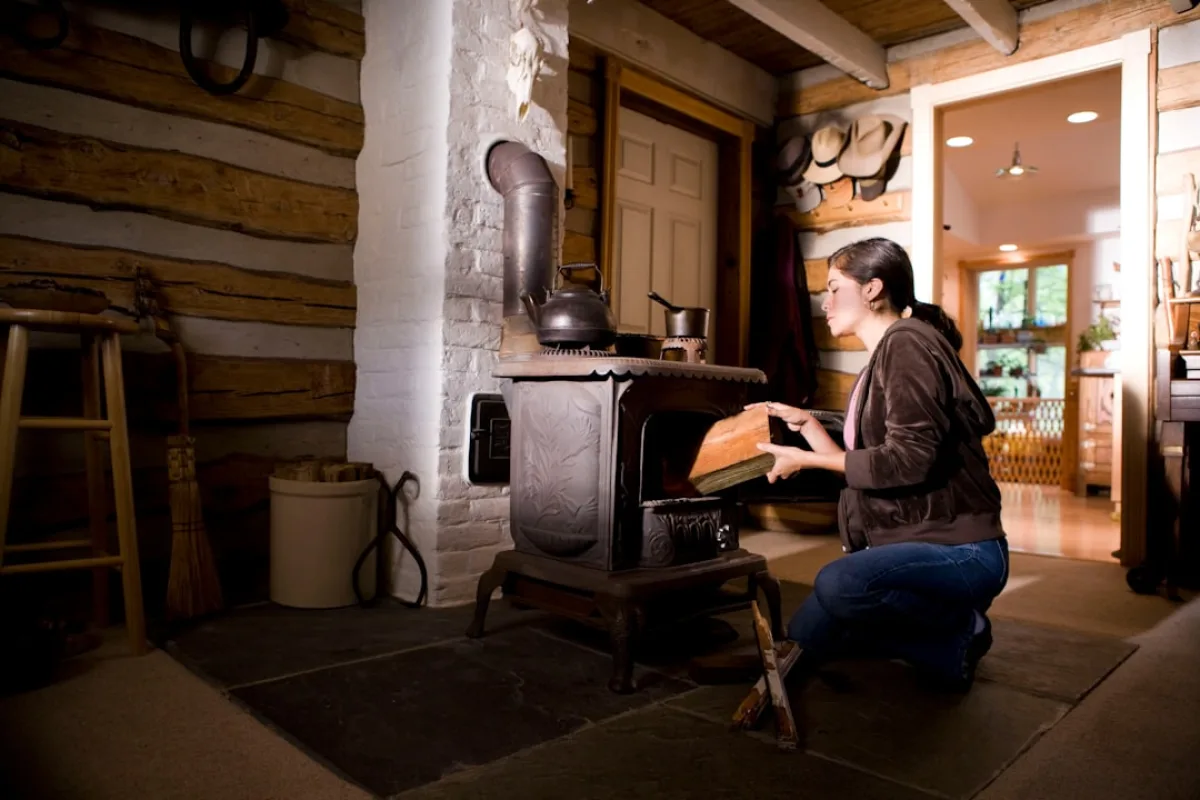
How to Create a Cosy Atmosphere in Commercial Spaces with a Wood Burning Stove
Graham Alderton · 13 Jul 2026
There is something a wood burning stove does that no radiator or underfloor heating system can replicate. The flicker of real flames, the gentle crackle of burning logs, the warmth that draws people closer — these are the things that turn a commercial space from functional into somewhere guests genuinely want to stay. Whether you run a pub, a restaurant, a holiday let, or a rural retreat, getting the atmosphere right is part of the product you are selling. A well-chosen and properly installed stove is one of the most effective ways to deliver it.
Our team works with commercial clients across the UK to supply and install wood burning stoves that are not only compliant and efficient, but that genuinely contribute to the character of a space. Here is what we have learned about making it work.
Choosing a Stove That Suits the Space
The stove itself needs to be right for the room. Output, size, and style all matter, and getting any one of them wrong can undermine the effect you are trying to create.
Getting the output right
In a commercial setting, rooms tend to be larger, higher-ceilinged, and subject to more frequent door openings than a domestic living room. This means you need a stove with sufficient heat output to make a meaningful difference to the room temperature, rather than one that struggles to take the chill off. Our installers assess the volume of the space, the insulation, and how the room is used before recommending an output range. A stove that is too small will work too hard and feel underwhelming; one that is too large will overheat the immediate area and be expensive to run.
You can find more detail on our commercial installation service page, including the kinds of premises we work with and how we approach output calculations.
Style and visual impact
The stove is a focal point. Guests will notice it before they notice much else. A stove that looks out of place — either too domestic for a large open-plan bar, or too industrial for an intimate dining room — will jar. We work with a range of stove styles and finishes, from traditional cast iron to contemporary steel designs, so we can match the stove to the aesthetic of the space rather than compromising one for the other.
Positioning matters too. A stove installed in a corner draws less attention than one set into a chimney breast on a feature wall. Think about sightlines from seating areas and entrances. Guests arriving on a cold evening should be able to see the fire from the door — that first impression of warmth and welcome is worth planning for.
Compliance and Installation Done Properly
A stove that creates atmosphere also needs to be safe, legal, and built to last in a high-use environment. Commercial installations are subject to more rigorous standards than domestic ones, and cutting corners here is not an option.
HETAS and building regulations
All our commercial installations are carried out by HETAS-registered engineers. This is not just a box-ticking exercise — HETAS registration means the installer has demonstrated the necessary competency and that the installation will meet the requirements of Part J of the Building Regulations. In a commercial setting, you will also need to consider fire safety regulations and, in some cases, planning permission if structural work to a chimney or flue is required.
Smoke control zones
Many towns and city centres in the UK are designated smoke control zones, which means you cannot burn ordinary wood on an open fire or a standard stove. If your premises fall within a smoke control zone, you will need either a DEFRA-exempt stove or an approved fuel. Our team will check the status of your location before specifying a stove, so you are never left with a non-compliant installation. If you are unsure whether this applies to you, our frequently asked questions page covers the basics of smoke control zone rules for commercial premises.
Flue and chimney requirements
Commercial premises often present more complex flue routes than a straightforward domestic installation. Multi-storey buildings, flat roofs, shared walls, and listed building constraints all affect the design of the flue system. We survey the building before any installation begins and specify a flue system that meets both the manufacturer's requirements and the relevant British Standards. A poorly designed flue will cause downdraught, poor draw, and potential carbon monoxide risk — none of which are acceptable in a space where the public are present.
Fuel Choice and Ongoing Efficiency
The atmosphere a stove creates depends partly on how it is fuelled. Wet or unseasoned wood burns poorly, produces excessive smoke, and deposits creosote in the flue at a faster rate. This shortens the life of the flue liner and increases servicing costs. We always recommend using kiln-dried or well-seasoned hardwood with a moisture content below 20 per cent — this is also a legal requirement under the Ready to Burn scheme for wood sold in volumes under two cubic metres.
For commercial premises that want to minimise the labour involved in fuel management, biomass boiler stoves offer an alternative worth considering. Our biomass and boiler stoves page explains how these systems work and where they tend to suit commercial operations.
Keeping the Atmosphere Going: Servicing and Maintenance
A stove that has not been swept or serviced will not burn cleanly, and a stove that does not burn cleanly does not look or smell as it should. In a commercial setting, where the stove may be in use for eight or more hours a day during winter months, servicing needs to happen more frequently than in a domestic property. We recommend at least one sweep per season for moderate use, with additional sweeps for high-use venues.
Our commercial servicing team covers a wide area and works around your operating hours where possible, so routine maintenance does not mean closing the premises. We carry out flue sweeping, appliance inspections, rope seal and glass replacement, and full condition reports that give you a clear picture of the stove's health.
For businesses in East Anglia, our regional servicing teams cover Norfolk and Suffolk directly.
The Practical Side of a Warm Welcome
A well-placed, properly specified, and correctly maintained stove does something no amount of soft furnishings or mood lighting can fully replace. It gives a space genuine warmth — not just thermal, but visual and emotional. Guests linger longer, return more often, and remember the experience more clearly. For hospitality businesses in particular, that is a tangible return on a practical investment.
If you are thinking about adding a stove to your commercial premises or upgrading an existing installation, our team is happy to talk through what would work for your space. Take a look at our full commercial stove services to see the range of what we offer, or get in touch directly to arrange a site visit.
Related advice
Stove Output, Fuel and Compliance: A Practical Guide for Business Owners
From calculating the right heat output for your commercial space to understanding HETAS regulations and clean air zone rules, here is what every business owner needs to know before installing a wood burning stove.
24 Sep 2026
Read More
How to Create a Cosy Atmosphere in Your Commercial Space with a Wood Burning Stove
A well-chosen and correctly installed wood burning stove does far more than heat a commercial space. It shapes how guests feel the moment they walk through the door. Here is how to get it right.
23 Sep 2026
Read More
Firewood for Hospitality Venues: Fuel Quality, Storage and Keeping Supply Consistent
Running a pub, restaurant or hotel with a wood burning stove means thinking carefully about fuel. Here is our practical guide to choosing the right firewood, storing it properly and keeping your supply reliable all year round.
20 Sep 2026
Read More