Wood Burning Stoves for Hospitality Venues: What You Need to Know
Graham Alderton · 11 Jul 2026
A well-chosen wood burning stove can transform the atmosphere of a hospitality venue. Whether you run a country pub, an independent café or a busy restaurant, the warmth and visual appeal of a real fire keeps customers comfortable and encourages them to linger longer. That said, installing a stove in a commercial space is quite different from fitting one in a family living room, and getting the details right matters.
Our team at woodburners4u handles commercial stove installation across the UK, so we know exactly what hospitality businesses need to consider before committing to a stove. Here is a straightforward guide to the key areas.
Regulations and Compliance for Commercial Premises
Commercial solid fuel appliances in the UK are governed by a more demanding set of rules than domestic installations. You will need to work within Building Regulations Part J (combustion appliances and fuel storage), and your installation must be carried out by a HETAS-registered engineer. HETAS is the official body for solid fuel heating in the UK, and using a registered installer means the work is self-certified against Building Regulations without the need for a separate Local Authority application in most cases.
Beyond Part J, commercial premises also fall under Health and Safety at Work legislation. This means a formal risk assessment is required, and you will need to demonstrate that the appliance, flue and fuel storage arrangements do not create a hazard for staff or the public.
Smoke Control Zones
Many towns and city centres are designated smoke control areas under the Clean Air Act 1993. If your venue sits within one of these zones, you cannot burn ordinary wood or standard house coal. You will either need to use an Exempt Appliance listed on the DEFRA website, or switch to an approved smokeless fuel or properly dried kiln-dried wood. Our installers will check zone status for your postcode before recommending an appliance, so you are never left dealing with enforcement notices down the line.
Ventilation and Air Supply
A commercial kitchen or dining room that is sealed for energy efficiency can starve a stove of combustion air. Building Regulations require an adequate permanent air supply to any solid fuel appliance. In practice, this often means installing a dedicated air vent or an external air kit on the stove itself. We assess ventilation as part of every survey so nothing is left to chance.
Choosing the Right Stove Output for a Hospitality Space
Getting the kilowatt output right is arguably the most important decision you will make. Undersize the stove and it will struggle on a cold winter evening with a full room of customers. Oversize it and the venue becomes uncomfortably hot, staff start propping doors open and you lose any efficiency benefit.
As a starting point, commercial spaces tend to need roughly 1 kW per 14 cubic metres of well-insulated space, but hospitality venues have specific complicating factors:
- High ceilings in converted barns, Victorian buildings or listed premises push heat upwards and increase the effective volume.
- Frequent door openings in busy service periods create significant heat loss.
- Large glazed frontages, common in modern cafés, add to the heat load in winter.
- Open-plan layouts with connecting spaces need careful zoning.
Our team carries out a full heat loss calculation during the survey stage rather than guessing from floor area alone. This gives you a stove specification you can rely on throughout the year.
Multi-Fuel Versus Wood-Only Appliances
Many commercial operators prefer a multi-fuel appliance because it gives flexibility over fuel sourcing. If your regular wood supplier is delayed, you can keep the fire going with a good quality smokeless fuel. Pure wood-burning stoves tend to be slightly more efficient when burning wood, but the practical convenience of multi-fuel often wins in a busy hospitality environment.
Flue Systems for Commercial Buildings
The flue is just as important as the stove itself, and in older commercial buildings it can be the most complex part of the project. Many historic pubs and restaurants have existing chimneys that look substantial but may be cracked, poorly lined or simply too wide for modern appliances.
We always carry out a full flue inspection before installation. Where an existing chimney is present, we typically line it with a stainless steel twin-wall liner sized to match the stove outlet. Where no chimney exists, a twin-wall insulated flue system can be routed through the building or externally up the outside wall.
Key Flue Requirements for Commercial Premises
- The flue must achieve a minimum draw to keep combustion gases moving safely away from the appliance.
- Flue termination height must comply with Building Regulations and, where applicable, planning conditions.
- Access points for sweeping and inspection must be built into the system at appropriate intervals.
- In a listed building or conservation area, external flue routing may require listed building consent or planning permission.
Our installers are experienced with complex commercial flue runs and will handle the technical design so you can focus on running your business. You can read more about what our commercial stove services cover if you want a fuller picture before getting in touch.
Servicing and Ongoing Maintenance
A commercial stove running through a busy autumn and winter season takes considerably more punishment than a stove used occasionally at home. Regular servicing is not just good practice, it is a duty of care to your staff and customers.
We recommend the following as a minimum schedule for hospitality venues:
- Annual flue sweep and inspection before the heating season begins, ideally in September or October.
- Mid-season inspection if the stove is in daily use, typically around January.
- Annual appliance service covering door seals, baffle plates, grate and riddling mechanism, glass and any moving parts.
Keeping records of sweeping and servicing visits is important from both a compliance and insurance perspective. Our commercial servicing team provides a written report after every visit so you always have an up-to-date paper trail.
Fuel Efficiency and Running Costs
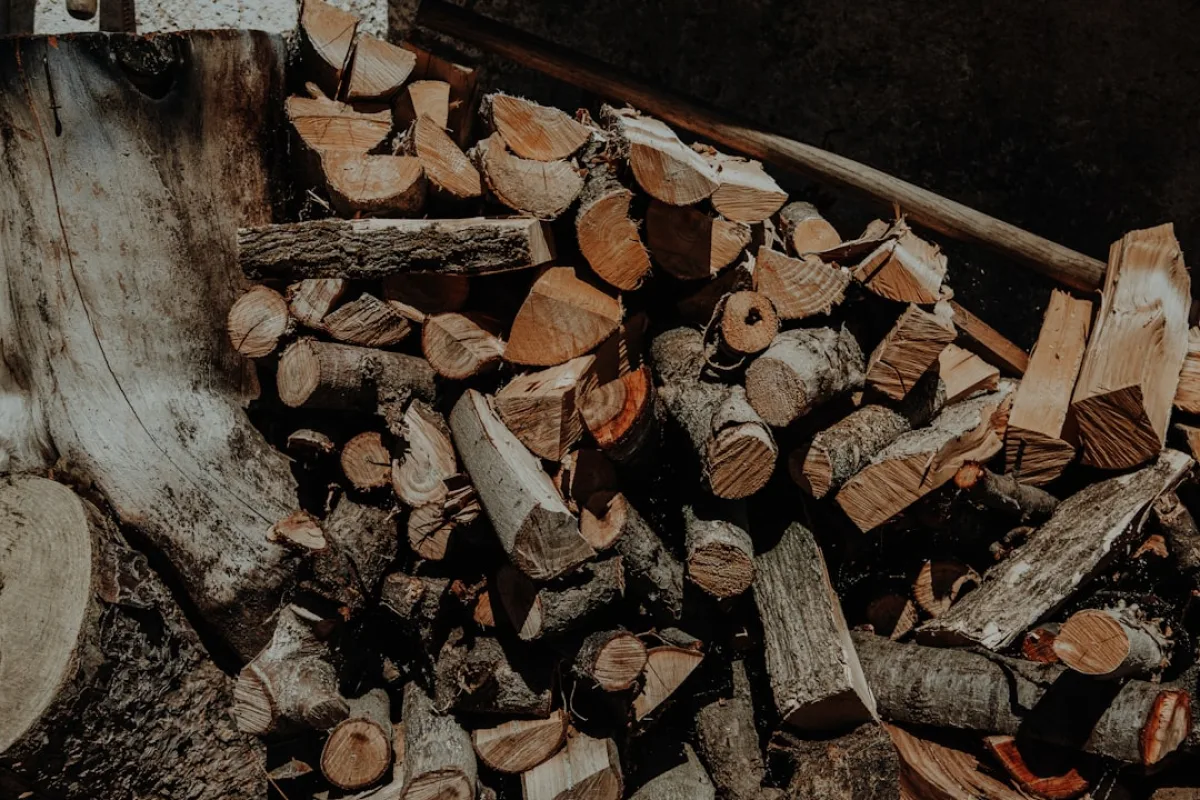
Wood burning stoves in commercial settings are most cost-effective when operators commit to using well-seasoned or kiln-dried hardwood. Wet or green wood produces far less heat per kilogram, creates more creosote in the flue and accelerates wear on the appliance. The moisture content of ready-to-burn certified wood should be below 20 per cent.
Buying in bulk over the summer months, when seasoned wood is more readily available and often cheaper, is a practical way to manage fuel costs. Some venues store enough to cover the entire heating season, which removes the risk of price increases or supply issues during peak winter demand.
The return on a commercial stove installation is difficult to quantify in purely financial terms, but hospitality operators consistently report that a real fire increases dwell time and encourages repeat visits, particularly in rural and destination venues. Combined with reduced reliance on background heating in the main customer area, the financial case is often straightforward over a two to three year horizon.
If you are considering a stove for your pub, café or restaurant, our team is happy to arrange a no-obligation site survey. Check our locations page to confirm we cover your area, or browse our frequently asked questions for more detail on the installation process.
Related advice
Stove Output, Fuel and Compliance: A Practical Guide for Business Owners
From calculating the right heat output for your commercial space to understanding HETAS regulations and clean air zone rules, here is what every business owner needs to know before installing a wood burning stove.
24 Sep 2026
Read More
How to Create a Cosy Atmosphere in Your Commercial Space with a Wood Burning Stove
A well-chosen and correctly installed wood burning stove does far more than heat a commercial space. It shapes how guests feel the moment they walk through the door. Here is how to get it right.
23 Sep 2026
Read More
Firewood for Hospitality Venues: Fuel Quality, Storage and Keeping Supply Consistent
Running a pub, restaurant or hotel with a wood burning stove means thinking carefully about fuel. Here is our practical guide to choosing the right firewood, storing it properly and keeping your supply reliable all year round.
20 Sep 2026
Read More