
We supply and install stoves and wood burners for homes across Norfolk and Suffolk. One of the first questions we get asked on a survey is multi fuel vs wood burner, and it's worth thinking about before you pick a model, because the two are built differently inside and they suit different households.
What actually differs inside the firebox
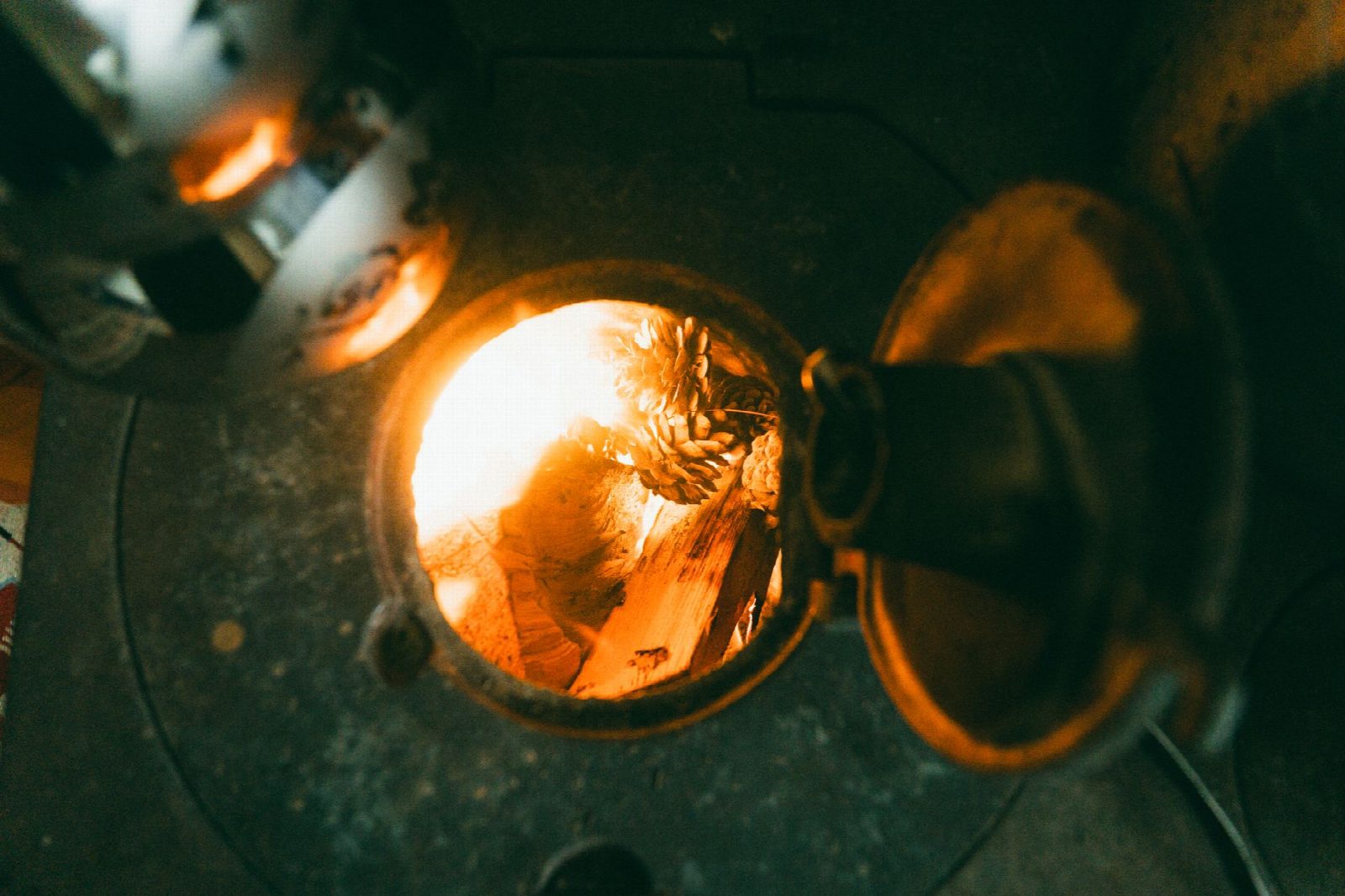
A wood only stove has a solid, flat base. Wood burns best sitting on a bed of its own ash, with air coming in from above and across the glass. That's why wood burners have no grate and no ash pan underneath.
A multi fuel stove has a raised grate with an ash pan below it. Coal and approved smokeless fuels need air coming up from underneath to burn properly, and the grate lets that happen while the ash drops through into the pan. You can still burn logs on a multi fuel stove, though you may get slightly less heat from them than you would from a wood only stove of the same output. Most people we fit for think that trade is worth making for the extra choice. There's more on how these work on our multi fuel stoves page.
Multi fuel vs wood burner: which suits your situation
The honest answer depends less on the stove and more on what fuel you can get hold of easily and cheaply.
Go multi fuel if
You don't have reliable access to properly seasoned firewood. You live somewhere smokeless fuel is easier to buy than logs. You want to switch between fuels depending on what's cheapest at the time. Your property already has solid fuel kit in place from years back, which is common in older Norfolk and Suffolk houses. Or you simply want to keep your options open rather than commit to one fuel for the next couple of decades.
Go wood only if
You've got a steady supply of dry logs, maybe your own land or a local supplier you already use. You like the look of a log fire and have no intention of burning anything else. Wood only stoves tend to have a cleaner, simpler firebox with fewer parts to replace over time, and no ash pan to empty, though you will still need to manage the ash bed.
Fuel is the real decision
Whatever you choose, the fuel has to be right. Wood needs to be properly seasoned or kiln dried, down to around 20% moisture. Wet logs give you less heat, more smoke, and a flue that tars up far quicker. A moisture meter is a cheap thing to own and it settles arguments with log suppliers.
On a multi fuel stove, stick to the fuels the manufacturer lists. House coal is not suitable for most modern stoves and isn't allowed in many circumstances anyway. Approved smokeless fuels burn hotter and longer than logs, which some people like for an evening, but they need the air controls set differently, which we'll walk you through at handover.
Don't mix wood and smokeless fuel in the same burn unless the manufacturer says you can. The air settings that suit one don't suit the other, and you end up getting the worst of both.
Smoke Control Areas
If you're in a Smoke Control Area, which covers most towns and cities in England, Wales and Scotland, you can only burn approved smokeless fuels or use a DEFRA exempt stove. We check this with you before we recommend anything, and we only supply and install stoves that meet current UK regulations. If a model or a fuel isn't right for your property, we'll say so.
This matters for the multi fuel question, because a multi fuel stove doesn't automatically mean you can burn anything you like. The rules are about fuel and about whether the stove is exempt, not about how many fuels the grate can handle.
Servicing and day to day running
Solid fuels like coal and smokeless produce different deposits from wood, and they're harder on grates and firebricks over time. Grates and ash pans are consumable parts on a multi fuel stove, and they will need replacing at some point depending on how hard you run it.
Either way, the stove and the flue need sweeping and checking on a regular basis. We cover that on our stove servicing page.
What happens at the survey
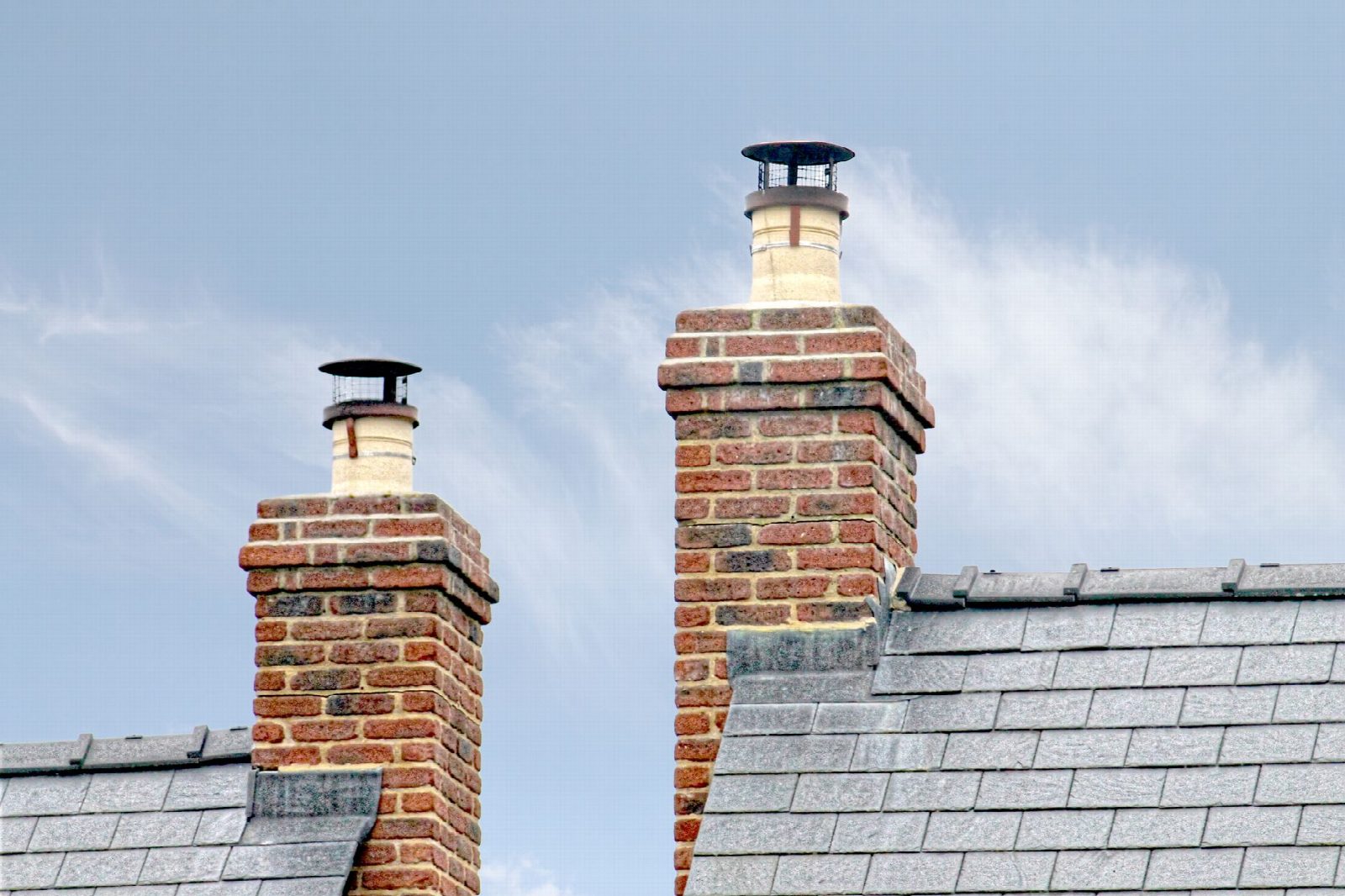
We'd rather look at the chimney before anyone commits to a stove. The survey covers the state of the chimney or flue, the size of the room, the hearth, and how you plan to use the stove day to day. That shapes the output rating we suggest and the liner diameter if relining is needed, which you can read about on our chimney lining page.
A room that's a bit draughty and open plan needs a different output from a small snug. Oversizing is a common mistake. A stove that's too big for the room gets run slowly and shut down to stop you cooking, and that's exactly how you clog a flue.
If the survey turns up a flue that needs relining or a hearth that needs extending, we tell you before the day, not on it. Most installations take one to two days once the work is agreed.
Still not sure
If you can picture yourself buying logs by the load and nothing else, a wood only stove is a straightforward choice. If you'd rather keep the door open to coal or smokeless fuel, go multi fuel and accept the small drop in heat from logs.
Tell us about your room, your chimney and what fuel you can get locally, and we'll tell you what we'd fit. Get in touch with Woodburners4u to arrange a survey in Norfolk or Suffolk.