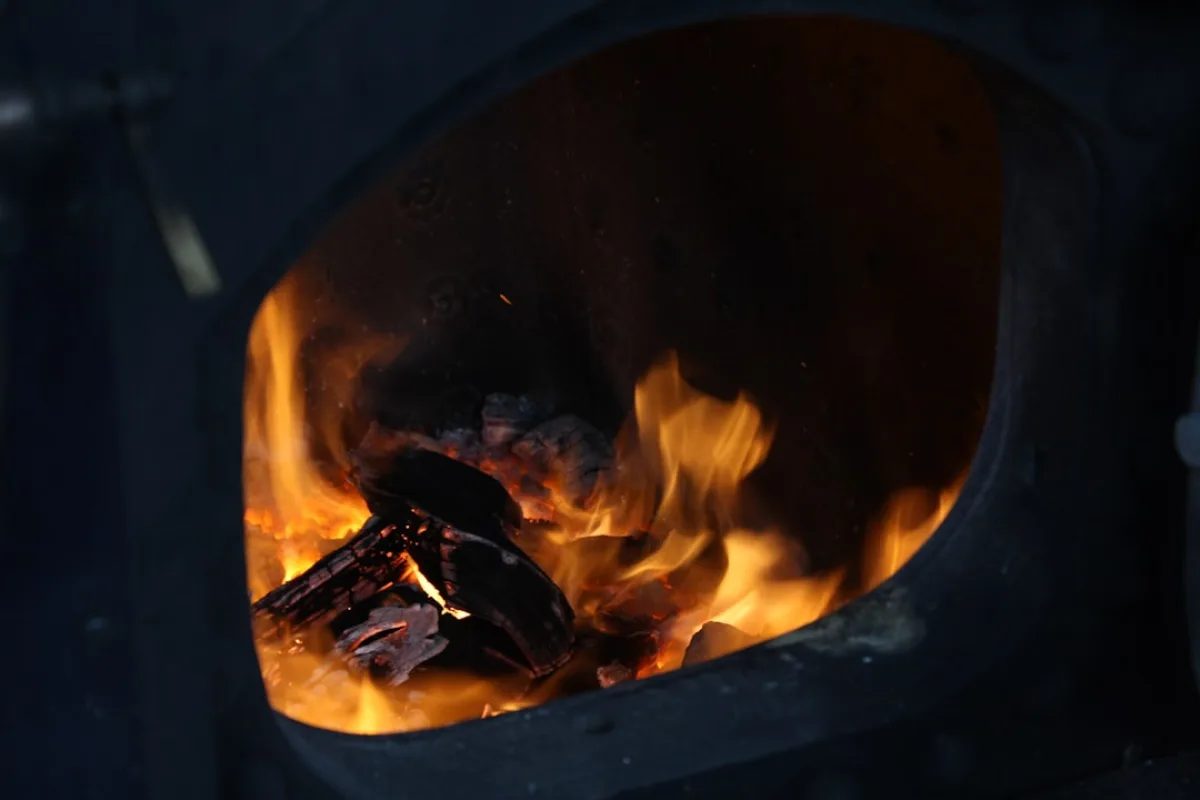
Sourcing and Managing Firewood Supply for Hospitality Venues
Graham Alderton · 16 Aug 2026
A wood burning stove can be one of the most attractive features in a hospitality venue. It draws customers in, creates a welcoming atmosphere, and can take a real bite out of heating costs during the colder months. But once your stove is installed and commissioned, the ongoing practicality of sourcing good firewood becomes one of the most important operational decisions you will make.
Unlike a domestic household, a hospitality venue burns through fuel at a much higher rate. A busy pub or restaurant running a stove through a winter evening service will go through considerably more wood than a home fireplace. Getting your supply right from the start saves money, protects your appliance, and keeps you on the right side of UK commercial installation compliance standards.
Why Fuel Quality Matters More in a Commercial Setting
In a commercial environment, your stove is working harder and for longer periods than most domestic installations. That places greater demands on the appliance and the flue system. Burning the wrong fuel, or wood that has not been properly seasoned or kiln-dried, accelerates the build-up of tar and creosote inside the flue liner. Left unchecked, that build-up becomes a fire hazard and will shorten the service life of your installation.
Beyond the practical risks, fuel quality is also a compliance issue. If your venue is located in a smoke control zone, you are legally required to burn only approved fuels on an exempt appliance. Burning wet or unseasoned wood in a smoke control zone is an offence, and local authorities do have powers to issue fixed penalties to businesses as well as individuals. Our team always advises commercial clients to confirm their smoke control zone status before choosing a fuel supplier.
What to Look for in Commercial Firewood
- Moisture content below 20% — This is the legal threshold for ready-to-burn wood sold in the UK under the Woodsure Ready to Burn scheme. Wood above this moisture level burns inefficiently and produces significantly more smoke and particulates.
- Woodsure Ready to Burn accreditation — Look for suppliers carrying this certification. It gives you documented assurance that the fuel meets moisture content standards, which is useful if your compliance is ever questioned.
- Consistent log size — Commercial stoves come in a range of firebox sizes. Logs that are too long or too wide waste time and create loading problems during a busy service. Agree a standard log length with your supplier based on your specific appliance.
- Hardwood species — Oak, ash, beech and hornbeam all have a higher energy density than softwoods. For a venue running a stove over a long service, hardwoods give a steadier, longer burn with less frequent reloading.
Organising a Reliable Supply Chain
A domestic customer can often get away with buying firewood opportunistically. A hospitality venue cannot afford to run out mid-service on a cold Friday night. Building a relationship with a local, certified firewood merchant is well worth the effort. Many commercial operators find it useful to work with a supplier who will deliver on a scheduled basis, rather than ordering on demand.
When you are negotiating with suppliers, think about the following:
- Volume pricing — Buying in bulk typically reduces the cost per cubic metre. Discuss whether the supplier can offer a seasonal contract or a standing delivery schedule.
- Lead times — Understand how quickly the supplier can respond to an emergency top-up. A two-week lead time is fine for planned orders but unworkable if you run low unexpectedly.
- Delivery access — Commercial premises are not always easy to access with large vehicles. Make sure your supplier can deliver in a way that works for your site layout.
- Documentation — Ask for delivery notes or invoices that confirm the fuel type and moisture certification. Keeping these records is good practice and supports your compliance position if your installation is ever inspected.
On-Site Storage
Storing firewood properly on a commercial site is often overlooked. Wood that is delivered dry can absorb moisture quickly if it is stored incorrectly. For a hospitality venue, you will typically need two storage areas: a larger covered external store where bulk deliveries are kept, and a smaller internal or covered store close to the stove where logs can acclimatise before use.
External stores should be off the ground, covered on top, and open on the sides to allow airflow. Sealing wood in a completely enclosed space can encourage mould. The internal store should hold roughly one to two days of operational supply, so staff are not making repeated trips to the main store during service.
Our installers often flag storage planning as something venues underestimate at the design stage. If you are considering a new commercial installation, it is worth thinking about where your wood store will sit before the work begins. You can find out more about what a commercial installation involves on our commercial installation service page.
Fuel Costs and Operational Planning
Firewood costs for a commercial venue depend on species, volume, local supply, and delivery frequency. Rather than quoting figures that may not reflect your situation, we would encourage operators to get three or four quotes from local certified suppliers and compare on a like-for-like basis, using the same species and moisture specification in each quote.
What we can say with confidence is that the fuel savings compared to running electric or oil heating in a hospitality setting are well documented in general terms by industry bodies. A well-sized, correctly installed wood burning stove burning quality fuel at the right output will perform significantly more cost-effectively than many alternative heating options over a full winter season.
If you are unsure whether your current stove is the right output for your space, or if you are planning a new installation, our commercial stoves service covers everything from initial site assessment through to commissioning and ongoing support.
Keeping Your Stove and Flue in Good Condition
No matter how good your firewood supply is, your commercial stove and flue system need regular professional maintenance. In a high-use venue, we recommend at minimum one professional sweep and service per season, and often two sweeps for stoves running through a long winter programme. A blocked or tarred flue is both a safety risk and a performance issue.
Our commercial servicing team works with hospitality venues across the UK to keep installations running safely and efficiently. Booking servicing on a regular schedule, rather than waiting for a problem to develop, is almost always the more cost-effective approach for a business that depends on its stove as part of the customer experience.
If you would like advice on fuel, installation, or servicing for your venue, get in touch with our team or take a look at our frequently asked questions for more information on what to expect from a commercial wood burning stove setup.
Related advice
Stove Output, Fuel and Compliance: A Practical Guide for Business Owners
From calculating the right heat output for your commercial space to understanding HETAS regulations and clean air zone rules, here is what every business owner needs to know before installing a wood burning stove.
24 Sep 2026
Read More
How to Create a Cosy Atmosphere in Your Commercial Space with a Wood Burning Stove
A well-chosen and correctly installed wood burning stove does far more than heat a commercial space. It shapes how guests feel the moment they walk through the door. Here is how to get it right.
23 Sep 2026
Read More
Firewood for Hospitality Venues: Fuel Quality, Storage and Keeping Supply Consistent
Running a pub, restaurant or hotel with a wood burning stove means thinking carefully about fuel. Here is our practical guide to choosing the right firewood, storing it properly and keeping your supply reliable all year round.
20 Sep 2026
Read More