
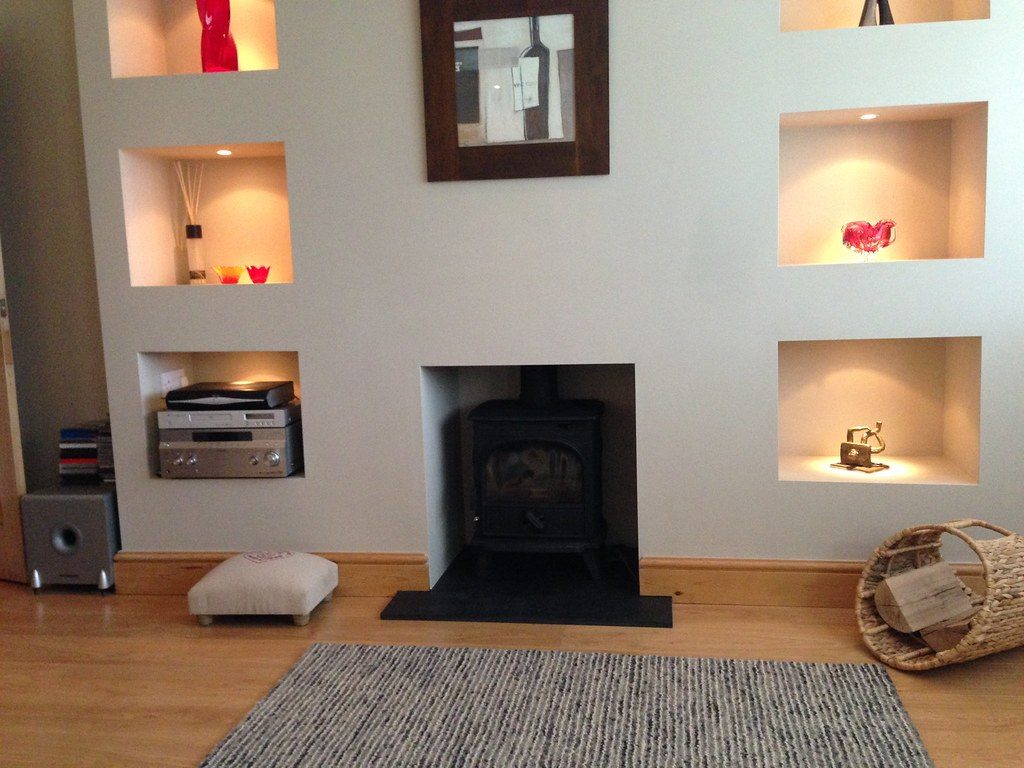
We're Woodburners4u, and we fit stoves and wood burners across Norfolk, including a lot of stove installation Norwich homeowners ask us about every year. This page walks through what actually happens, in the order it happens, so you know what you're agreeing to before anyone turns up with tools.
What a stove installation in Norwich usually involves
Most jobs follow the same shape: we look at your fireplace and chimney, agree on a stove and a flue route, prepare the opening, line the chimney if it needs it, fit the stove, connect and test it, and hand it over with instructions. The variations come from the building. A Victorian terrace off Unthank Road behaves differently to a 1970s semi in Thorpe St Andrew, and a flat-roofed extension with no chimney at all is a different job again.
The survey is the part that decides everything else, so we don't rush it. We're looking at the size of the builder's opening, the condition of the chimney, where the flue can run, the hearth you've got or the hearth you'll need, and whether the room needs an air vent. Once we've seen it, we can tell you what will fit and what won't, rather than guessing from photos.
Sizing the stove to the room
A stove that's too big is a common regret. You end up running it slowly with the air shut down, which is bad for the glass, bad for the flue and bad for the stove. We'd rather put in something smaller that runs properly hot and clean. Room size, ceiling height, how draughty the place is and how much insulation you've got all feed into it, and we'll talk through the options on our stove installation page in person when we visit.
The other question is fuel. If you want the freedom to burn smokeless fuel as well as wood, a multi fuel stove with a grate and ashpan makes sense. If it's wood only, a flat bed and a bit more firebox space suits better. Norwich sits in an area where air quality rules matter, so we'll talk through what that means for the appliance you choose.
Chimney work and flue routes
Old Norwich chimneys are often sound as masonry but not suitable for a modern stove as they stand. A stove produces a smaller, hotter, more concentrated flue gas than an open fire, and a big cold void can cool it, condense it and leave you with tar and poor draw. That's why chimney lining comes up on so many jobs.
Lining means dropping a flexible stainless liner down the stack from the top, connecting it to the stove at the bottom, sealing at the pot and usually insulating around it. It gives you a correctly sized, smooth, sealed route for the smoke. We'll tell you at survey stage whether we think yours needs it, and why.
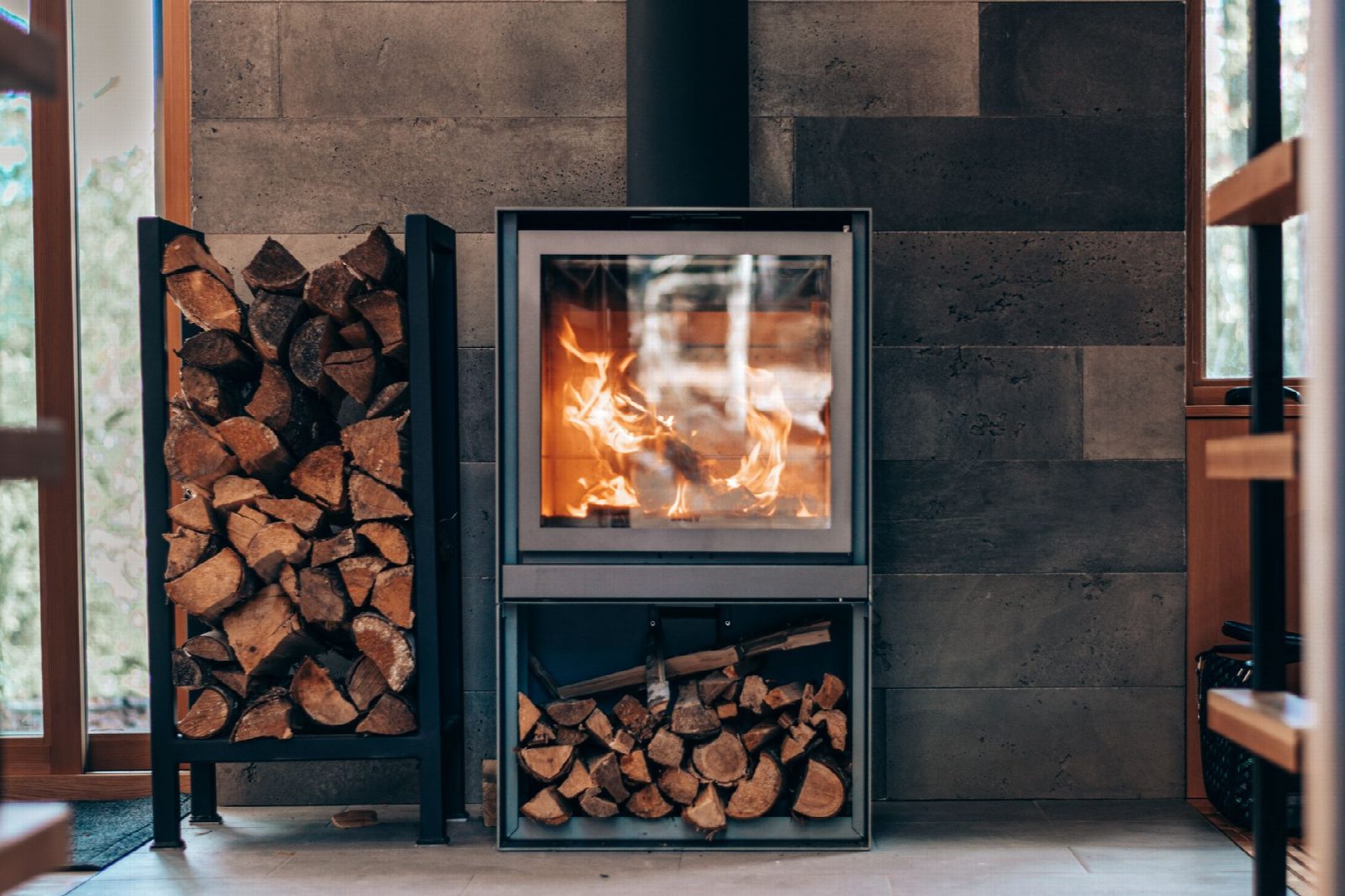
If there's no chimney, we build one. That's a twin wall insulated flue system, either run up inside the house and out through the roof, or out through the wall and up the outside. Both work. Which one suits depends on where the stove is going, what's in the way upstairs, and what you want to look at from the garden.
Hearths, openings and the bits around the stove
The hearth has to protect the floor and it has to be the right size and thickness for the stove you've chosen. Some stoves can sit on a thinner decorative hearth because they don't push much heat downwards; others need a proper constructional hearth. We check the existing one rather than assuming.
Then there's the opening itself. Sometimes it's a case of clearing out old render and fitting a lintel. Sometimes people want the brickwork opened up and left exposed, or a beam put in, or a surround built. That side of things sits with our fireplace fitting work and it's worth deciding early, because it changes the order the work happens in.
Installation day
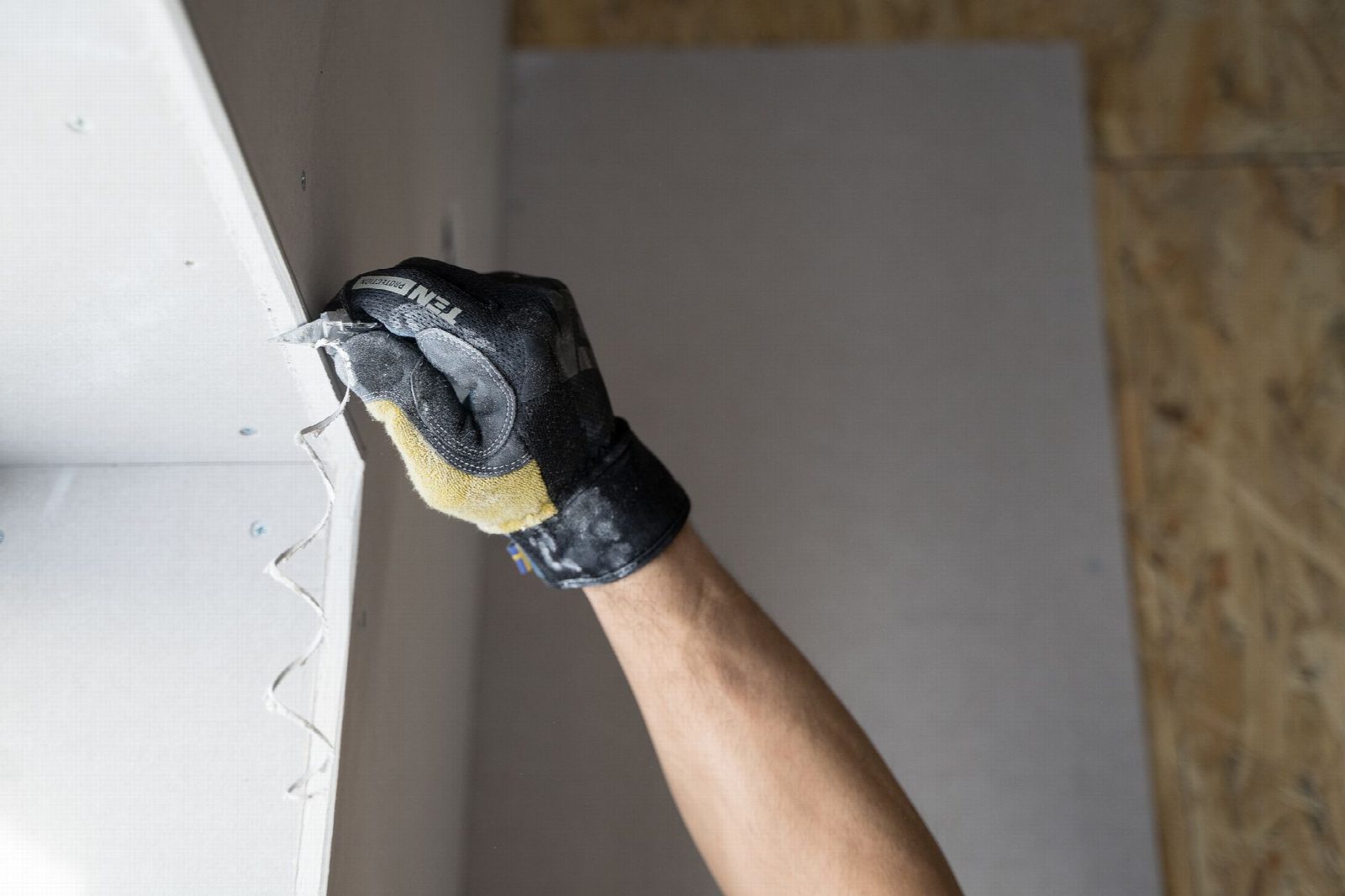
We cover floors and furniture, because chimney work makes dust and there's no polite way round that. The liner goes in first where one's needed, usually with someone on the roof and someone at the fireplace. Then the register plate or closure plate, then the stove positioned and connected, then the hearth and any surround finished off.
Before we leave, we test. That means checking the flue draws properly, that there's no spillage back into the room, and that the stove behaves as it should through a first burn. We also show you how to use it: how to light it, how the air controls work, what the glass is telling you, and what not to burn. A lot of stove problems we're called out to later are usually a wet wood problem, so we'd rather cover it on day one.
After it's in
Stoves want sweeping and checking each year, more often if you burn a lot. Rope seals wear, baffle plates warp eventually, glass gets scratched, and liners need looking at. We cover that under stove servicing, and it's worth booking before the cold weather rather than during it.
If the stove is going into a holiday cottage or a rented place, the requirements and the handover are different again, and our holiday let stoves page covers that side.
If you're planning a stove installation in Norwich and want someone to come and look at the chimney before you commit to anything, get in touch with Woodburners4u and we'll arrange a survey.