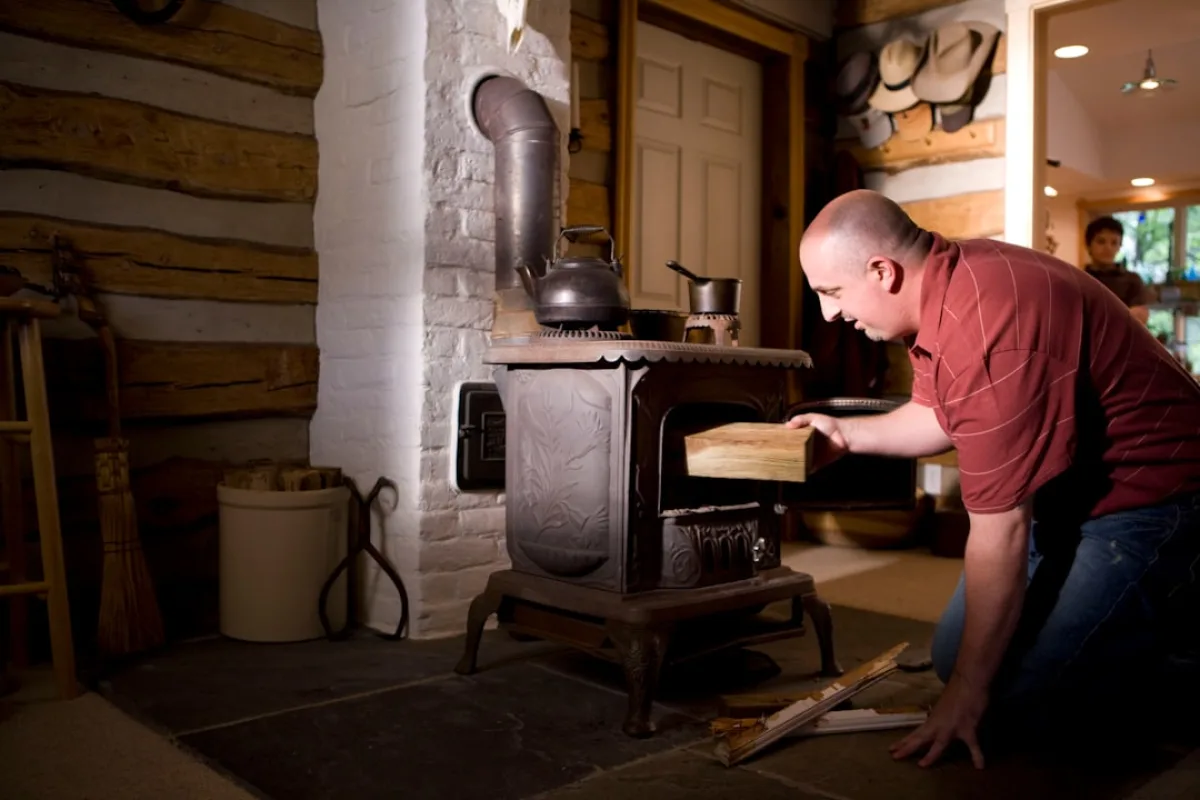
Stove Rope, Glass and Firebricks: When and How to Replace Them
Colin Whitmore · 11 Sep 2026
A wood burning stove is a robust piece of kit, but like anything that works hard day after day, certain parts wear out over time. Stove rope, ceramic glass and firebricks are the three components that take the most punishment from heat and repeated use. Replacing them promptly keeps your stove running safely and efficiently, and it can save you from more costly repairs down the line.
In this guide we walk you through what each part does, how to tell when it needs replacing, and why it is always worth having the work checked or carried out by a qualified engineer. If you would like our team to take a look at your appliance, our stove servicing and sweeping page explains what is included in a full service visit.
Stove Door Rope: The Airtight Seal That Controls Your Burn
The woven fibreglass rope that runs around the door frame of your stove creates the seal between the door and the body of the appliance. That seal matters more than most people realise. When the rope is in good condition, you can control the air supply to the fire precisely, which means better combustion, less fuel wasted and a stove that performs as its manufacturer intended.
Signs the Door Rope Needs Replacing
- The rope looks flattened, frayed or compressed rather than round and springy
- You can see daylight around the door edge when the stove is cold and the door is closed
- The stove smokes back into the room, particularly when you open the door
- Fuel burns through faster than it used to, or the stove is difficult to control
- The door handle feels warm to the touch during use
A simple way to test the seal is the paper test. Close the door on a sheet of newspaper. If you can pull the paper out without any resistance, the rope is no longer doing its job. Rope kits are available in different diameters, so it is important to match the right size to your stove model. Our engineers carry a range of rope sizes and can replace the seal as part of a routine service.
How Often Should Rope Be Replaced?
There is no single answer because it depends on how heavily the stove is used. A stove that runs for four or five hours every evening through a long winter will need new rope more often than one used occasionally. As a general rule, it is worth checking the rope at the start of each heating season and replacing it if there is any doubt about the condition.
Stove Glass: Keeping the View Clear and the Seal Intact
The glass panel in a stove door is not ordinary glass. It is a ceramic glass designed to withstand sustained high temperatures without cracking under normal operating conditions. Most modern stoves have an airwash system that directs a thin curtain of air across the inside of the glass, helping to keep it clean during use.
Why Glass Becomes Cloudy or Cracks
Persistently cloudy or stained glass is usually a sign that the stove is being run too cool, that the wood being burned has a high moisture content, or that the airwash vents are blocked. Running a stove at a low smoulder causes tar and soot to condense on the glass rather than being drawn up the flue. Burning wet or unseasoned wood makes the problem significantly worse.
Cracked glass is a more urgent issue. A crack in the ceramic panel means the seal between the firebox and the room is compromised, and the glass can fail further without warning. A cracked panel should be treated as a safety concern and replaced before the stove is used again.
Replacing Stove Glass
Replacement glass must be the correct grade of ceramic glass and cut to the exact dimensions for your stove model. Fitting the wrong thickness or a lower-temperature-rated glass is dangerous. Our engineers source the correct glass for each appliance and fit it with the appropriate rope gasket to restore a proper seal. If you are also noticing performance issues alongside the glass deterioration, it is often worth booking a full service at the same time so that the door rope and other components can be checked together.
Firebricks: Protecting the Body of Your Stove
The refractory panels that line the inside of the firebox are sometimes called firebricks or vermiculite boards, depending on the material used. Their job is to protect the steel or cast iron body of the stove from direct heat, reflect warmth back into the fire to improve combustion, and help the stove reach and maintain the right operating temperature.
Signs That Firebricks Need Replacing
- Visible cracks running across the face of the panel
- Panels that are crumbling or have pieces broken away
- The stove body discolouring in the area behind a damaged panel
- Reduced heat output despite burning a good quantity of dry wood
Hairline surface cracks are not always a reason for immediate replacement, but deeper cracks that go through the full thickness of the panel should be addressed. A broken firebrick exposes the metal body of the stove to temperatures it was not designed to handle, and over time this can cause warping or burn-through that is expensive to repair.
Using the Right Replacement Panels
Firebricks are not universal. Different stove models use panels of specific shapes, thicknesses and materials. Using an undersized or incorrectly shaped panel leaves gaps that allow heat to reach the body of the stove. Our team always recommends sourcing manufacturer-approved replacement panels for your specific appliance rather than cutting down a generic board.
Why Regular Servicing Catches These Issues Early
The good news is that stove rope, glass and firebricks are all relatively straightforward and affordable to replace when caught early. The cost and disruption increases significantly when worn components are left in place and cause secondary damage.
An annual service with one of our HETAS-registered engineers covers a thorough inspection of all these components alongside checks on the flue, baffle plate, grate and door hinges. Our engineers can carry out most repairs during the same visit, keeping your stove out of action for as short a time as possible.
We cover a wide area across the UK. You can check whether our team services your area on our locations page, or take a look at our frequently asked questions if you have a specific query before booking.
Our advice: Do not wait until a component fails completely. A quick visual check of your rope, glass and firebricks at the start of autumn takes minutes and can prevent a much larger problem mid-winter.
Summary: What to Check and When
- Door rope - check before each heating season and replace if flattened, frayed or failing the paper test
- Stove glass - replace immediately if cracked; address persistent clouding by reviewing fuel moisture and stove operating temperature
- Firebricks - inspect for deep cracks or crumbling and replace before damage reaches the stove body
If you are unsure about the condition of any of these parts, the safest approach is to have a qualified engineer take a look. Our team is happy to advise whether a repair is needed and carry out any replacement work to the correct standard.
Related advice
Stove Output, Fuel and Compliance: A Practical Guide for Business Owners
From calculating the right heat output for your commercial space to understanding HETAS regulations and clean air zone rules, here is what every business owner needs to know before installing a wood burning stove.
24 Sep 2026
Read More
How to Create a Cosy Atmosphere in Your Commercial Space with a Wood Burning Stove
A well-chosen and correctly installed wood burning stove does far more than heat a commercial space. It shapes how guests feel the moment they walk through the door. Here is how to get it right.
23 Sep 2026
Read More
Firewood for Hospitality Venues: Fuel Quality, Storage and Keeping Supply Consistent
Running a pub, restaurant or hotel with a wood burning stove means thinking carefully about fuel. Here is our practical guide to choosing the right firewood, storing it properly and keeping your supply reliable all year round.
20 Sep 2026
Read More