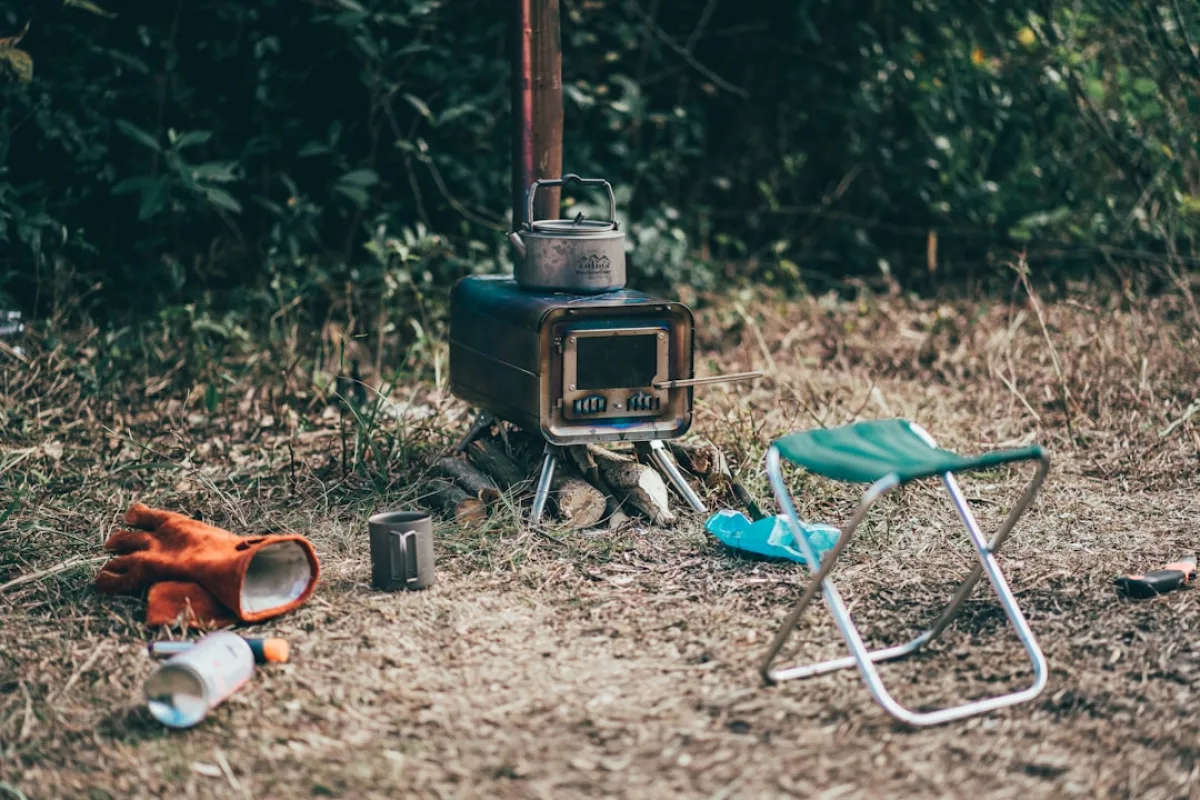
Stove Safety Guidance for Guests in Holiday Lets and Commercial Premises
Graham Alderton · 13 Aug 2026
A wood burning stove is one of the most appealing features a holiday let, pub, or hospitality venue can offer. Guests love them. But unlike central heating, a stove requires a degree of active involvement from the person using it, and that means your guests need clear, practical guidance before they start loading in logs.
As the business owner or operator, you are responsible for making sure your stove is safe, compliant, and properly explained to every guest who uses it. Our team installs and services commercial stoves across the UK, and one of the most common things we hear from operators is that they are not entirely sure what guest safety information they should be providing. This article sets out the key areas to cover.
Why Guest Safety Briefings Matter for Commercial Stove Operators
When a guest misuses a domestic appliance in a rental property, the consequences are usually minor. When a guest misuses a wood burning stove, the risks are considerably higher. Overfiring, burning the wrong fuel, blocking vents, or leaving the stove unattended with the door open are all behaviours that can cause damage to the appliance, the building, or people nearby.
Beyond the physical risks, there is a compliance angle to consider. HETAS guidance and building regulations for solid fuel appliances place clear responsibilities on the operator to ensure the installation is safe and correctly used. Providing guests with written safety instructions is not just good practice, it demonstrates that you have taken reasonable steps to meet your duty of care.
If you are running a holiday let with a stove and are not yet sure whether your installation meets current commercial requirements, our holiday let and rental stove service covers supply, installation, and compliance checks carried out by our own team.
What to Include in Your Guest Safety Information
We recommend putting stove safety information in writing and placing it somewhere guests will actually read it, ideally close to the stove itself as well as in any welcome pack or digital guide you provide. Keep the language simple and direct.
Approved fuel only
This is the most important point to communicate. Guests should only use the fuel you have provided or approved. For most commercial wood burning stoves, that means kiln-dried hardwood logs with a moisture content below 20 per cent. Under the Ready to Burn scheme, approved fuel must carry the Ready to Burn logo.
Guests should never burn:
- Household waste or cardboard
- Treated, painted, or manufactured timber
- Coal (unless your stove is rated for it and you have approved it)
- Damp or freshly cut wood
- Magazines, newspapers, or glossy paper in large quantities
Burning the wrong fuel is one of the fastest ways to damage a stove, produce excessive smoke, or trigger a chimney fire. In smoke control zones, it can also result in a fixed penalty notice issued to the operator of the premises.
Operating the stove correctly
Not every guest will have used a wood burning stove before. Your briefing should cover the basics:
- How to open and close the air controls
- How to load logs without overfilling the firebox
- How to use the door correctly, including keeping it shut during normal burning
- What to do if the stove produces excessive smoke into the room
- How to let the fire die down safely rather than trying to extinguish it quickly
If your stove has a throat plate, riddling grate, or any feature that requires a specific action, explain it clearly. A short laminated guide fixed to the wall beside the stove works well in rental properties.
What guests should never do
As well as the positive instructions, be explicit about the things guests must avoid:
- Never leave the stove burning unattended with the door open
- Never place combustible materials on or immediately in front of the stove
- Never use accelerants such as lighter fluid to start or boost the fire
- Never attempt to move or adjust the stove
- Never block the air vents in the room
Carbon monoxide awareness
Your premises should have a working carbon monoxide alarm located in the same room as the stove. This is a legal requirement for new solid fuel installations in England and Wales, and best practice everywhere. Make sure guests know where the alarm is and what to do if it sounds: leave the building immediately, get fresh air, and call the emergency services.
Include the location of the CO alarm and the fire extinguisher or fire blanket in your guest briefing.
Maintaining the Stove Between Guest Stays
Guest safety does not begin and end with the briefing. The stove itself needs to be in good working order for every single booking. A cracked glass door panel, a blocked flue, or a failed rope seal are not just maintenance issues, they are safety hazards.
We recommend a thorough check of your stove at the start of each season, with a professional chimney sweep carrying out a sweep and inspection at least once a year for premises with regular use. Busy holiday lets may need more frequent sweeping depending on how heavily the stove is used across the year.
Our commercial servicing team works with holiday lets, pubs, restaurants, and other hospitality venues to keep their stoves running safely and efficiently. We carry out inspections, servicing, and any remedial work needed to bring an installation back up to standard.
Between professional visits, your team or housekeeping staff should carry out a basic visual check after each guest stay. Look for:
- Damage to the glass or door seals
- Ash build-up that has not been cleared
- Any unusual smells or staining around the flue collar
- Damage to the hearth or surrounding area
If anything looks wrong, take the stove out of service until it has been inspected by a competent person. Do not allow the next guests to use it.
Putting It All Together
Running a commercial premises with a wood burning stove is genuinely rewarding. It adds atmosphere, reduces heating costs in the right context, and gives guests something to talk about. But it does come with responsibilities that you need to take seriously.
Clear guest briefings, approved fuel only, regular servicing, and working safety equipment are the foundations of operating a stove safely in a commercial or rental setting. None of these are complicated, but all of them matter.
If you are planning to add a stove to your holiday let or hospitality business, or if you have an existing installation that needs a compliance check, our team covers a wide range of locations across the UK. You can find out more about the areas we serve on our locations page, or explore the full range of what we offer for commercial operators through our commercial stove services.
Related advice
Stove Output, Fuel and Compliance: A Practical Guide for Business Owners
From calculating the right heat output for your commercial space to understanding HETAS regulations and clean air zone rules, here is what every business owner needs to know before installing a wood burning stove.
24 Sep 2026
Read More
How to Create a Cosy Atmosphere in Your Commercial Space with a Wood Burning Stove
A well-chosen and correctly installed wood burning stove does far more than heat a commercial space. It shapes how guests feel the moment they walk through the door. Here is how to get it right.
23 Sep 2026
Read More
Firewood for Hospitality Venues: Fuel Quality, Storage and Keeping Supply Consistent
Running a pub, restaurant or hotel with a wood burning stove means thinking carefully about fuel. Here is our practical guide to choosing the right firewood, storing it properly and keeping your supply reliable all year round.
20 Sep 2026
Read More