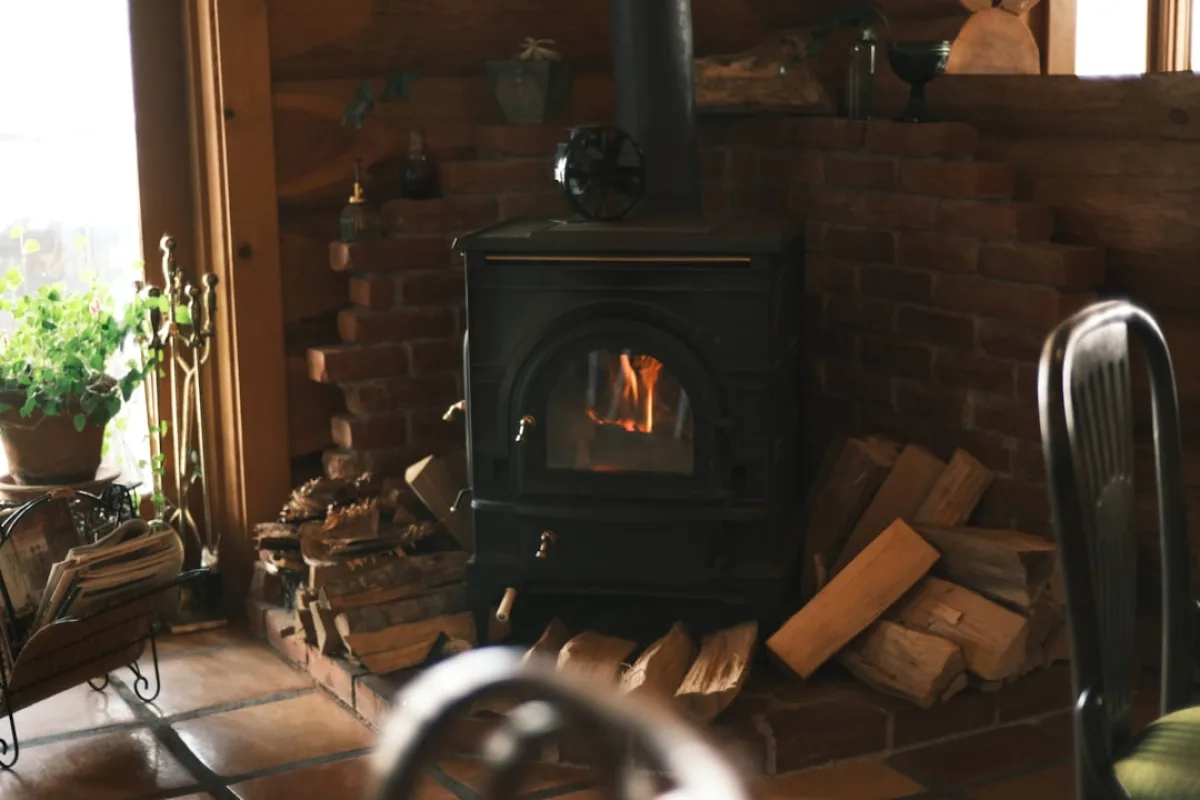
Carbon Monoxide Safety and Your Wood Burning Stove
Colin Whitmore · 15 Jul 2026
A wood burning stove, installed and maintained properly, is a safe and efficient way to heat your home. But like any appliance that involves combustion, it carries a risk of carbon monoxide (CO) if things go wrong. CO is odourless and colourless, which is exactly what makes it so dangerous. Understanding where the risk comes from and how to guard against it is something every stove owner should take seriously.
In this article we walk through the main causes of CO build-up, what a working detection system looks like, and how professional installation and regular servicing reduce your exposure to risk significantly.
Why Carbon Monoxide Is a Concern With Wood Burning Stoves
When wood burns completely and your flue is drawing properly, the combustion gases including carbon monoxide travel safely up and out of your chimney. The problem arises when combustion is incomplete or when those gases cannot escape as they should.
Common causes of CO entering the room include:
- Blocked or restricted flues – Bird nests, soot build-up, or a collapsed liner can prevent gases from venting correctly.
- Poor draught – If the flue is too cold, too short, or incorrectly sized, gases can spill back into the room rather than rising naturally.
- Burning wet or unsuitable fuel – Wet wood produces far more incomplete combustion than properly seasoned or kiln-dried logs, increasing CO output.
- A damaged or poorly fitted stove – Cracks in the body, a badly sealed door, or incorrect installation can all allow gases to leak.
- Running the stove with restricted air – Starving a fire of air to slow it down creates the conditions for incomplete combustion.
None of these risks are inevitable. They are, however, entirely avoidable with the right setup and ongoing care.
Carbon Monoxide Detectors: What You Need and Where to Put Them
Every home with a solid fuel appliance should have at least one carbon monoxide detector. This is not optional. Under British Standard BS EN 50291, audible CO alarms are strongly recommended wherever solid fuel is burned, and many local authority building control teams will require one as part of a new installation sign-off.
A few things to keep in mind when choosing and positioning your detector:
- Choose an alarm that meets BS EN 50291 and carries a British Standards Kitemark or equivalent third-party certification mark.
- Place the alarm in the same room as your stove, ideally on the ceiling or high on a wall, as CO disperses fairly evenly throughout a space.
- Do not place it directly above the stove or in a corner where air circulates poorly.
- Check the battery and test the alarm regularly, and replace the unit in line with the manufacturer's guidance, typically every seven to ten years.
- Consider a second alarm on the landing or in an upstairs hallway, particularly if the stove is in regular use overnight.
An alarm gives you early warning. It is not a substitute for correct installation and maintenance, but it is an essential last line of defence.
How Professional Installation Reduces CO Risk
The single most effective thing you can do to reduce carbon monoxide risk is to have your stove supplied and installed by a HETAS-registered installer. HETAS is the official body that oversees competency in the solid fuel industry in the UK, and our installers are fully registered and qualified.
A proper installation includes:
- Correct sizing and positioning of the stove for the room and chimney
- Assessment of the existing chimney or specification of a new lined flue system
- Fitting an appropriate chimney liner where needed to ensure safe venting and good draught
- Sealing the installation correctly to prevent any leakage of combustion gases at joints or connections
- Commissioning the appliance and testing the flue draw before signing off the job
- Issuing a HETAS certificate that notifies your local building control and satisfies your buildings insurer
Cutting corners on installation, whether by using an unregistered fitter or attempting a DIY fit, dramatically increases the risk of CO problems. Our stove supply and installation service covers everything from the initial survey through to commissioning, so nothing is left to chance.
Ongoing Maintenance and Annual Servicing
Even a perfectly installed stove can develop problems over time. Seals degrade, soot and creosote accumulate, and components wear. An annual service is the most reliable way to catch these issues before they become a safety concern.
Our stove servicing and sweeping service includes a full inspection of the appliance, the flue connections, and the chimney itself. Our team will clean the flue, check the rope seals around the door, inspect the baffle and internal components, and flag anything that needs attention. We will also advise you on fuel and operating habits if we notice signs of incomplete combustion such as excessive tar or soot deposits.
As a general guide, you should have your stove serviced and chimney swept at least once a year, and twice a year if you use the stove heavily through the colder months.
Safe Operating Habits That Matter
How you use your stove day to day also plays a role in keeping CO levels down. A few practical habits make a real difference:
- Burn dry, well-seasoned wood with a moisture content below 20 per cent. Wet wood burns poorly and produces significantly more incomplete combustion.
- Do not over-restrict the air controls. Running a stove in a very slumbering state for long periods increases CO production and accelerates the build-up of deposits in the flue.
- Keep the door properly closed during normal operation and check the rope seal regularly for wear.
- Never burn waste materials, painted or treated wood, or anything other than approved solid fuels in your stove.
- Ensure the room has adequate ventilation. Modern homes are well sealed, and your stove needs a supply of fresh air to combust safely.
Knowing the Symptoms of CO Exposure
We are not in a position to offer medical guidance, but it is worth knowing that the early symptoms of CO exposure, such as headaches, dizziness, or feeling unusually tired when the stove is in use, should be taken seriously. If you suspect CO in your home, open windows and doors, leave the property, and contact the relevant emergency service. Do not use the stove again until it has been inspected and cleared.
If you have any concerns about your installation or simply want peace of mind, our team is happy to carry out an inspection. You can find out more on our frequently asked questions page or get in touch to arrange a visit.
Related advice
Stove Output, Fuel and Compliance: A Practical Guide for Business Owners
From calculating the right heat output for your commercial space to understanding HETAS regulations and clean air zone rules, here is what every business owner needs to know before installing a wood burning stove.
24 Sep 2026
Read More
How to Create a Cosy Atmosphere in Your Commercial Space with a Wood Burning Stove
A well-chosen and correctly installed wood burning stove does far more than heat a commercial space. It shapes how guests feel the moment they walk through the door. Here is how to get it right.
23 Sep 2026
Read More
Firewood for Hospitality Venues: Fuel Quality, Storage and Keeping Supply Consistent
Running a pub, restaurant or hotel with a wood burning stove means thinking carefully about fuel. Here is our practical guide to choosing the right firewood, storing it properly and keeping your supply reliable all year round.
20 Sep 2026
Read More