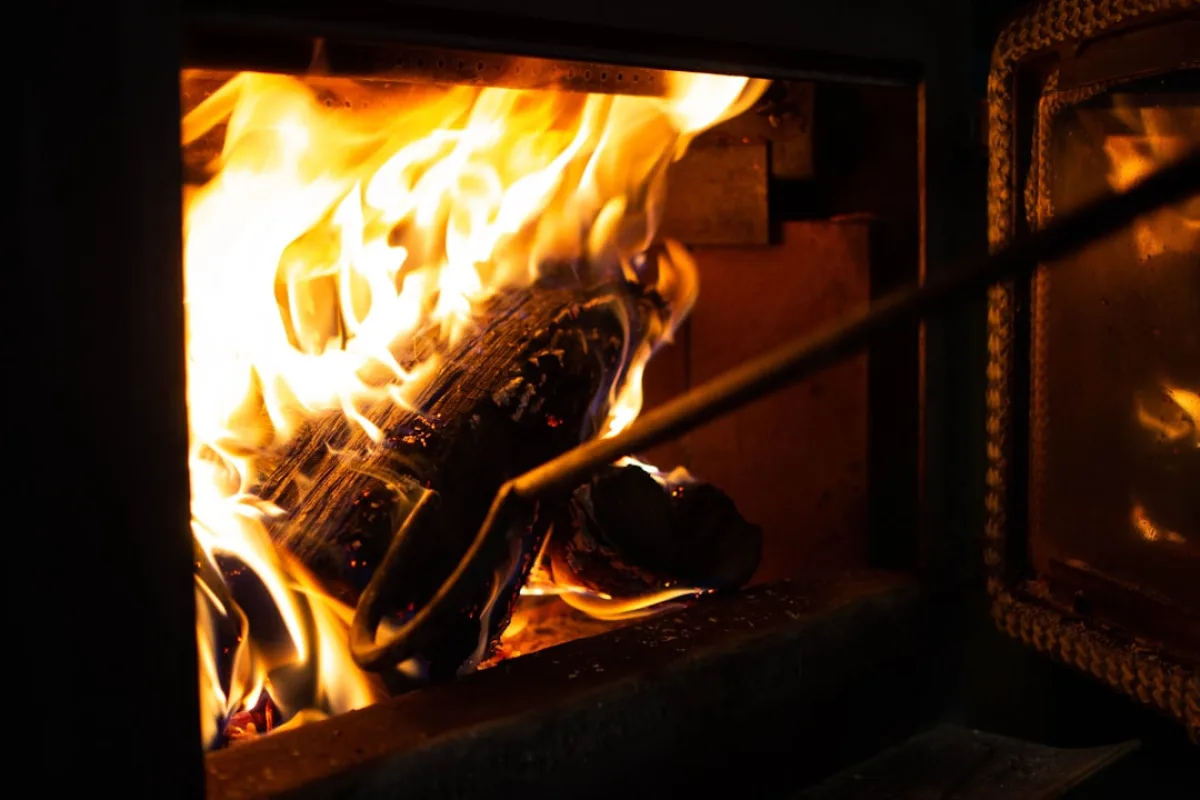
Keeping Your Commercial Wood Burning Stove Running at Its Best
Graham Alderton · 14 Jul 2026
A wood burning stove in a commercial setting works considerably harder than one in a family living room. Whether it is heating a busy pub, a holiday let, a farm shop or a restaurant, the demands placed on the appliance are greater, the fuel consumption is higher and the consequences of a breakdown or compliance failure are more serious. Keeping your commercial stove running efficiently is not simply about saving money on logs, although that matters too. It is about protecting your staff and customers, meeting your legal obligations and getting the best possible return on your installation.
Our team installs and services commercial wood burning stoves across the UK, and we see the same avoidable problems time and again. Most of them come down to a lack of routine care and an incomplete understanding of what a commercial appliance actually needs. This guide covers the practical steps that make the real difference.
Understanding What Makes Commercial Use Different
A stove installed in a commercial premises is classified differently from a domestic appliance in terms of building regulations, insurance and servicing expectations. Commercial use typically means longer daily burn times, more frequent lighting and extinction cycles and, in many cases, a larger output requirement to heat a bigger or less well-insulated space.
These factors accelerate wear on components such as the fire rope seal, baffle plate, grate bars and door glass. They also mean that creosote and soot accumulate in the flue system more quickly than they would in a home. If servicing intervals appropriate for domestic use are applied to a commercial appliance, the stove will underperform and the risk of a chimney fire or carbon monoxide incident increases significantly.
If you are still at the planning stage or reviewing whether your current setup is correctly specified, our commercial installation service page explains what a proper commercial specification involves.
Establishing a Servicing Schedule That Reflects Actual Use
The single most effective thing you can do to keep a commercial stove running efficiently is to have it serviced regularly by a competent engineer. HETAS, the official body for solid fuel heating in the UK, recommends that chimneys serving solid fuel appliances are swept at least once a year for standard use. For commercial premises where the stove is burning for many hours each day across a long season, a minimum of two sweeps per year is advisable, and in some cases three or four are appropriate.
A proper commercial service should include:
- Inspection and sweeping of the flue system, including any bends, liner joints and terminal
- Checking and replacing fire rope seals on the door and ash pan where worn
- Inspection of the baffle plate and throat plate for warping or damage
- Assessment of the grate and ash pan for cracks or deterioration
- Checking door glass integrity and replacing if cracked or discoloured
- Testing the draw of the flue to confirm adequate draught
- Visual inspection of the external flue or chimney stack for signs of damage
- Checking carbon monoxide detection equipment is present and functioning
Our commercial servicing team carries out all of these checks and provides a written report, which you will need for your records and for any insurance or compliance audit. If you are based in East Anglia, we also cover Norfolk and Suffolk directly.
Choosing and Storing the Right Fuel
Efficiency starts with the fuel. Burning wet or unseasoned wood is one of the most common causes of poor performance in commercial stoves. Wet wood produces far less heat per kilogram, causes significantly more tar and creosote to build up in the flue and results in more visible smoke from the chimney, which can put you in breach of smoke control zone rules if your premises fall within one.
For commercial use, you should be burning wood with a moisture content of 20 per cent or below. Kiln-dried hardwood meets this standard consistently and is the most practical choice for a business that cannot guarantee how long logs have been stored before purchase. If you buy in larger quantities, store wood under cover in a well-ventilated area and rotate stock so older batches are used first.
Under the Ready to Burn scheme, any bagged wood sold in volumes under two cubic metres must now carry certification confirming it meets the moisture standard. For bulk deliveries, ask your supplier for evidence of moisture content. Burning the wrong fuel is not just an efficiency issue; it can void your stove's warranty and in some areas constitute an offence under clean air legislation.
Operating Temperature and Air Control
Many commercial operators inadvertently run their stoves too cool, particularly during quieter periods when staff turn the air supply down to save fuel. Running a stove at too low a temperature leads to incomplete combustion, excess smoke and rapid tar buildup in the flue. It also puts unnecessary strain on components because the stove cycles between very hot and very cool states repeatedly.
Modern commercial stoves are designed to operate within a specific temperature range, usually indicated on a flue thermometer mounted on the connector pipe. Aim to keep the stove within its efficient operating band rather than letting it smoulder for long periods. This takes a little training for any member of staff responsible for managing the stove, but it makes a measurable difference to fuel use and appliance lifespan.
Compliance Checks You Cannot Afford to Skip
A commercial wood burning stove must meet requirements under building regulations, specifically Part J in England and Wales, alongside any local authority conditions, smoke control zone designations and, where relevant, planning permissions. HETAS registration of the installation is the most straightforward way to demonstrate compliance with Part J, as it removes the need for a separate building control notification.
Beyond the initial installation, you have ongoing responsibilities. These include maintaining carbon monoxide detectors in line with the Smoke and Carbon Monoxide Alarm Regulations, keeping records of servicing, and ensuring that any alterations to the flue system or appliance are notified and certificated appropriately. If your premises are licensed, for example as a pub or hotel, compliance with these requirements may be a condition of your licence.
We cover the most common questions about commercial compliance on our frequently asked questions page, and our team is always happy to advise on what applies to your specific premises and use case.
Holiday Lets and Short-Term Rental Properties
If you operate a holiday let or a short-term rental property with a wood burning stove, the compliance and maintenance picture is slightly different again. The stove may sit unused for extended periods and then be operated by guests who have no experience of solid fuel appliances. This increases the risk of misuse and means a pre-season check is essential before each rental period begins. Our holiday let stove service is designed specifically for this type of use.
Small Habits That Protect Efficiency Over Time
Between formal services, there are straightforward steps that any member of staff can carry out to protect the stove's efficiency and condition.
- Clear the ash pan regularly but leave a shallow bed of ash on the base of the firebox, as this protects the grate and aids combustion.
- Check the door seal periodically by closing the door on a piece of paper and attempting to pull it out. If it slides free easily, the rope seal needs replacing.
- Keep the glass clean using a damp cloth and ash or a proprietary stove glass cleaner. Heavily blackened glass is a sign the stove is running too cool or the air wash is not working effectively.
- Do not burn rubbish, painted wood, MDF or treated timber. These damage the appliance, foul the flue and may release harmful substances.
- Record any changes in performance, such as increased smoke spillage, difficulty lighting or unusual smells, and report them to your servicing engineer promptly rather than waiting for the next scheduled visit.
Keeping a commercial stove in good working order is straightforward when the right habits are in place and servicing is treated as essential maintenance rather than an optional extra. The stove will burn more cleanly, use fuel more efficiently, last longer and remain compliant with the regulations that apply to your business. If you would like to discuss your current setup or arrange a service visit, our team is ready to help.
Related advice
Stove Output, Fuel and Compliance: A Practical Guide for Business Owners
From calculating the right heat output for your commercial space to understanding HETAS regulations and clean air zone rules, here is what every business owner needs to know before installing a wood burning stove.
24 Sep 2026
Read More
How to Create a Cosy Atmosphere in Your Commercial Space with a Wood Burning Stove
A well-chosen and correctly installed wood burning stove does far more than heat a commercial space. It shapes how guests feel the moment they walk through the door. Here is how to get it right.
23 Sep 2026
Read More
Firewood for Hospitality Venues: Fuel Quality, Storage and Keeping Supply Consistent
Running a pub, restaurant or hotel with a wood burning stove means thinking carefully about fuel. Here is our practical guide to choosing the right firewood, storing it properly and keeping your supply reliable all year round.
20 Sep 2026
Read More