Cast Iron vs Steel Wood Burning Stoves: Which Should You Choose?
Colin Whitmore · 22 Jun 2026
When you start browsing wood burning stoves, you will quickly notice that most models are built from one of two materials: cast iron or steel. Both have been used for generations, and both can heat a home beautifully. The choice between them comes down to how you use your stove, the look you want, and the way each material behaves with heat. Our team has installed hundreds of stoves across the UK, and we get asked about this difference almost every day. Here is a straightforward guide to help you decide.
How Cast Iron and Steel Stoves Differ
At a basic level, cast iron and steel are both forms of iron and carbon, but they are manufactured very differently and behave in distinct ways once your stove is lit.
Cast Iron Stoves
Cast iron is made by pouring molten iron into a mould. The result is a thick, dense material that absorbs heat slowly and releases it gradually over a long period. This means a cast iron stove will take a little longer to warm up after you light it, but once it reaches temperature it will continue radiating warmth even after the fire has died down. Many people find this quality particularly useful overnight or during colder spells, when they want steady background heat rather than bursts of intense warmth.
Cast iron stoves are often associated with traditional or classic designs. The material lends itself well to decorative panels, ornate detailing, and the kind of appearance that suits a period property or a room with character. It is also a very rigid material, which means individual panels can be replaced if they crack rather than requiring you to replace the whole stove body.
One thing worth knowing is that cast iron can crack if it is subjected to sudden, extreme changes in temperature. This is rarely a problem in normal use, but it does mean you should avoid pouring cold water onto a very hot cast iron stove and should build fires up gradually rather than overloading the firebox straight away.
Steel Stoves
Steel stoves are fabricated by welding plates of steel together. Steel is thinner and less dense than cast iron, which means it heats up much faster. You will feel warmth in the room within minutes of lighting a steel stove, whereas cast iron takes longer to get going. The trade-off is that steel also cools down more quickly once the fire is out, so the heat output drops faster.
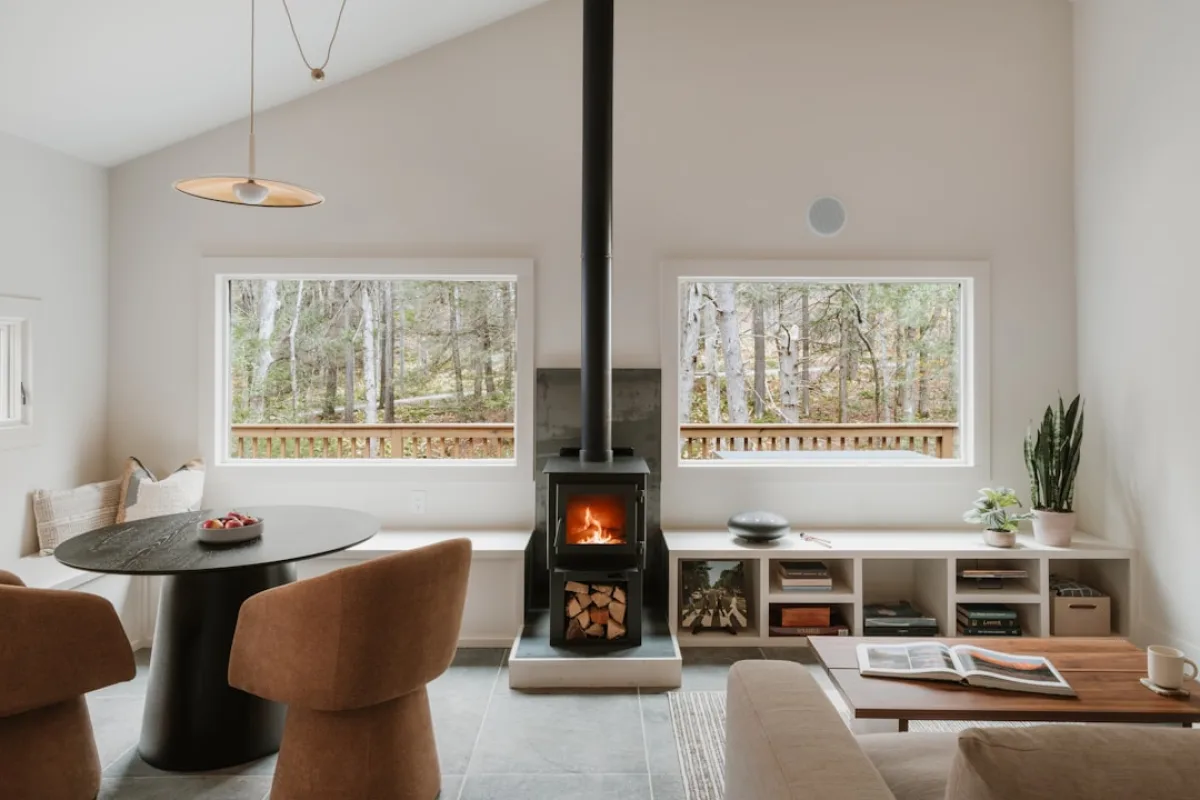
Steel stoves tend to suit contemporary and minimalist interiors well. Clean lines, flat surfaces, and a wide range of colour options make them a popular choice in modern homes and open-plan living spaces. Because they are welded rather than moulded, steel stoves can be produced in a broader range of shapes and sizes, including very slimline designs that fit neatly into smaller spaces.
Steel is also more flexible than cast iron, which means it expands and contracts with repeated heating and cooling without the same risk of cracking. A well-made, properly installed steel stove can last for decades.
Performance and Efficiency
Neither material is inherently more efficient than the other. The efficiency rating of a stove depends on its design, the quality of its airwash system, and the way the firebox manages combustion. Both cast iron and steel stoves are available as multi-fuel stoves and as wood-only appliances, and both can achieve high efficiency ratings. What you burn and how you burn it will have far more impact on your fuel costs than the material the stove body is made from.
If you live in a smoke control zone, you will need a DEFRA-exempt appliance regardless of whether it is cast iron or steel. Our team can advise you on which models meet the requirements and can help with HETAS certification after installation, which is the recognised standard for solid fuel appliances in the UK and is required to satisfy building regulations.
Heat Output and Room Size
When sizing a stove, the material matters less than the kilowatt output. A good rule of thumb is to match the stove output to the volume of the room, accounting for insulation levels and ceiling height. Our installers will always help you calculate the right size before recommending a model, whether it is cast iron or steel.
Which Stove Material Suits Your Home?
Here is a simple way to think about it:
- Choose cast iron if you want steady, long-lasting radiant heat, you prefer a traditional or classic look, or you are happy to wait a little longer for the room to warm up in exchange for heat that lingers.
- Choose steel if you want quick heat output, you prefer a modern or contemporary aesthetic, or you have a smaller space where a slimline design would work better.
Of course, the stove material is only one part of the picture. You will also need to think about your flue and chimney setup, which affects which stoves can realistically be installed in your home. We cover all of this as part of our stove supply and installation service, including a full assessment of your chimney or the fitting of a new liner where needed.
Maintenance and Long-Term Care
Both cast iron and steel stoves need regular maintenance to stay safe and efficient. This includes an annual service and chimney sweep, checking door seals, and keeping an eye on the condition of the firebox and internal components. Our team offers a full stove servicing and sweeping service that covers both material types.
Cast iron stoves may need the occasional application of stove blacking to keep the exterior looking good, while steel stoves with a painted finish can sometimes need a touch-up if the paintwork is subjected to very high temperatures over many years. Neither task is difficult or expensive.
Whatever stove you choose, make sure you also fit a carbon monoxide detector in the room. This is a straightforward safety measure that we always recommend regardless of the stove type or material.
Talk to Our Team Before You Decide
If you are still unsure which material is right for you, we are happy to talk it through. Our installers work with both cast iron and steel stoves every day and can give you honest, practical advice based on your home, your budget, and the way you plan to use your stove. You can find out more about everything we offer on our stove services page or visit our frequently asked questions for answers to common queries.
Related advice
Stove Output, Fuel and Compliance: A Practical Guide for Business Owners
From calculating the right heat output for your commercial space to understanding HETAS regulations and clean air zone rules, here is what every business owner needs to know before installing a wood burning stove.
24 Sep 2026
Read More
How to Create a Cosy Atmosphere in Your Commercial Space with a Wood Burning Stove
A well-chosen and correctly installed wood burning stove does far more than heat a commercial space. It shapes how guests feel the moment they walk through the door. Here is how to get it right.
23 Sep 2026
Read More
Firewood for Hospitality Venues: Fuel Quality, Storage and Keeping Supply Consistent
Running a pub, restaurant or hotel with a wood burning stove means thinking carefully about fuel. Here is our practical guide to choosing the right firewood, storing it properly and keeping your supply reliable all year round.
20 Sep 2026
Read More