Choosing a Wood Burning Stove for a Small Living Room
Colin Whitmore · 19 Jun 2026
A wood burning stove can transform a small living room into the cosiest room in the house. Get the choice right and you have a focal point that heats the space beautifully without roasting everyone out of it. Get it wrong and you end up with a stove that either struggles to warm the room or turns it into a furnace within minutes. Here is what our team looks at when helping customers choose a stove for a smaller space.
Start With the Heat Output
Output is measured in kilowatts (kW) and it is the single most important number when choosing a stove for a small room. As a rough guide, you need roughly 1 kW for every 14 cubic metres of space, though older or poorly insulated rooms may need a little more.
Most small UK living rooms fall somewhere between 25 and 40 square metres with standard ceiling heights. That typically points to a stove in the 4 kW to 6 kW range. A 5 kW stove is one of the most popular choices for compact spaces because it delivers genuine warmth without making the room unbearable on a mild autumn evening.
It is worth resisting the temptation to go bigger than you need. An oversized stove in a small room will often be run at a very low burn rate to keep the heat manageable, and running a stove too cool leads to incomplete combustion, tar build-up in the flue, and wasted fuel.
Physical Size and the Look of the Stove
Beyond the output rating, the physical footprint of the stove matters in a small room. A large cast iron stove with ornate detailing can look spectacular in a big farmhouse kitchen but feel imposing in a compact terraced living room. Slimline and compact stove designs have improved enormously in recent years, with many manufacturers offering stoves with a smaller body that still deliver 4 kW to 5 kW of heat.
Think about the depth of the stove too, particularly if you are fitting it into an existing fireplace opening. Our installers measure the recess carefully before recommending any model, because a stove that protrudes too far into the room can restrict walkways and make the space feel cluttered.
Glass door size is another consideration. A larger glass panel gives a better view of the fire and makes the stove feel like more of a feature in the room, which is especially valuable when floor space is limited and the stove needs to earn its place visually as well as practically.
Smoke Control Zones and DEFRA-Exempt Stoves
If your home is in a smoke control area, which covers most urban and many suburban parts of the UK, you are legally required to use a DEFRA-exempt appliance. These stoves are designed to burn wood cleanly enough to meet the emissions thresholds set by the Clean Air Act.
The good news is that most modern wood burning stoves are now DEFRA-exempt, and many compact models designed for smaller rooms sit firmly in this category. Our team will always confirm whether a stove is exempt before recommending it for a smoke control zone address. If you are unsure whether your area is covered, our frequently asked questions page has guidance on how to check.
Flue and Chimney Requirements for Smaller Rooms
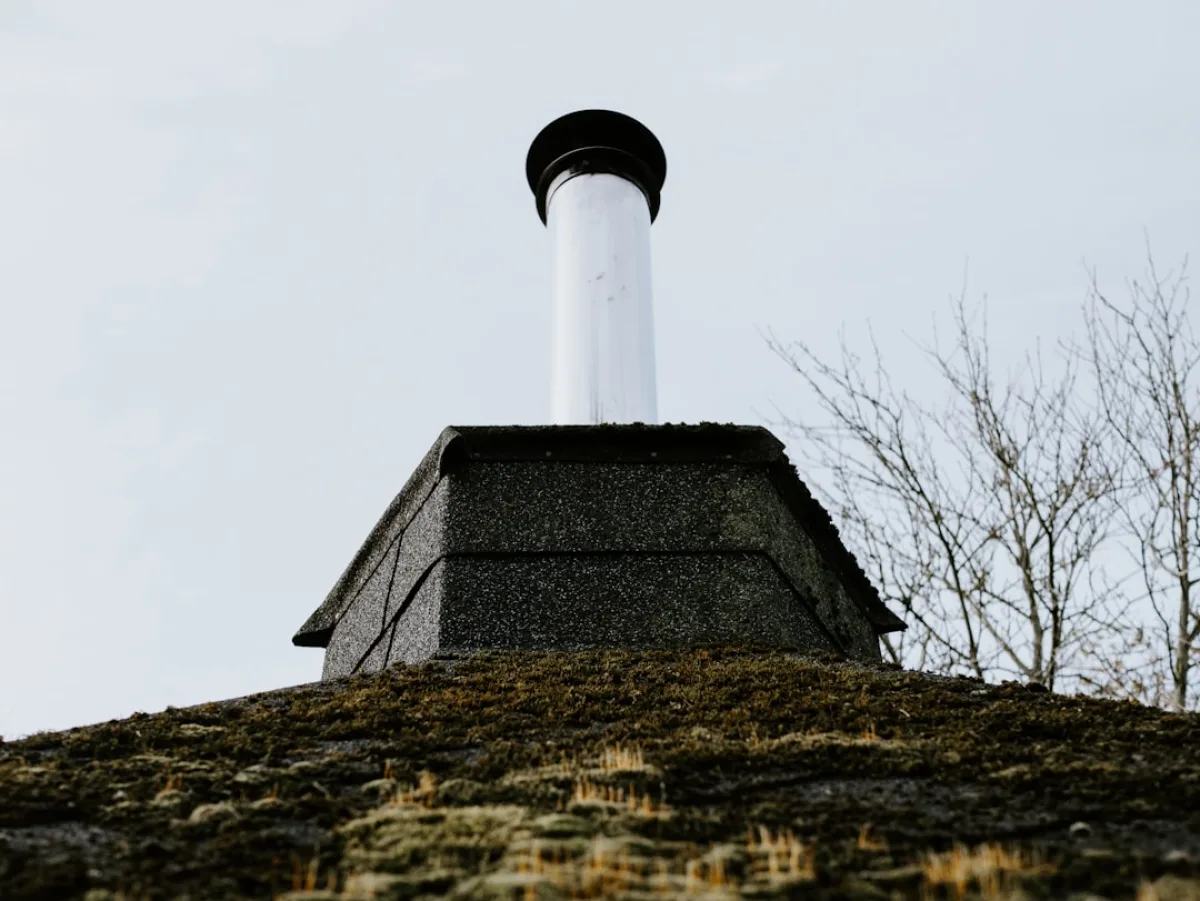
A small room does not necessarily mean a simpler installation. The flue still needs to meet the same requirements as it would for a larger stove. A minimum internal diameter of 150 mm is standard for most wood burning stoves, and the flue must be tall enough to create the draw needed for clean combustion.
Many smaller UK homes, particularly older terraced properties, have original brick chimneys that benefit from lining before a stove is fitted. A lined flue improves draw, reduces the risk of condensation and tar deposits, and helps the stove perform efficiently. Our chimney lining and flue service covers both new builds and existing chimney stacks across the UK.
If there is no chimney, a twin-wall flue system can be installed through an external wall or through the ceiling and roof. This is a common solution in modern homes and works perfectly well with compact stoves suited to small living rooms.
Hearth Size and Room Ventilation
Building regulations set out minimum hearth dimensions for solid fuel appliances. The hearth must extend at least 300 mm in front of the stove door and 150 mm to each side. In a small room, this is worth planning carefully during the design stage so the hearth does not eat into usable floor space more than necessary. A neatly fitted hearth in a complementary material can actually enhance the feel of the room rather than detract from it.
Ventilation is also required in rooms where a stove is installed, particularly in well-sealed modern homes. The stove needs a supply of fresh air for combustion, and if the room is too airtight the stove can struggle to draw properly. Our installers assess ventilation as part of every installation survey and will advise if an air vent is needed.
Getting the Installation Right
Choosing the right stove is only half the job. A poor installation can undermine even the best appliance. All of our installations are carried out to HETAS standards, which means the work is completed by registered professionals and is fully compliant with building regulations. You receive a HETAS certificate on completion, which serves as official notification to your local authority and is important for home insurance and property sales.
Our stove supply and installation service covers everything from the initial survey through to the final safety checks, so you do not need to coordinate multiple tradespeople. If you would like to know whether we cover your area, take a look at our locations page.
A small living room deserves a stove that fits it properly, heats it efficiently, and looks the part. If you have questions about which model or output rating suits your room, our team is happy to talk it through with you before you commit to anything.
Related advice
Stove Output, Fuel and Compliance: A Practical Guide for Business Owners
From calculating the right heat output for your commercial space to understanding HETAS regulations and clean air zone rules, here is what every business owner needs to know before installing a wood burning stove.
24 Sep 2026
Read More
How to Create a Cosy Atmosphere in Your Commercial Space with a Wood Burning Stove
A well-chosen and correctly installed wood burning stove does far more than heat a commercial space. It shapes how guests feel the moment they walk through the door. Here is how to get it right.
23 Sep 2026
Read More
Firewood for Hospitality Venues: Fuel Quality, Storage and Keeping Supply Consistent
Running a pub, restaurant or hotel with a wood burning stove means thinking carefully about fuel. Here is our practical guide to choosing the right firewood, storing it properly and keeping your supply reliable all year round.
20 Sep 2026
Read More