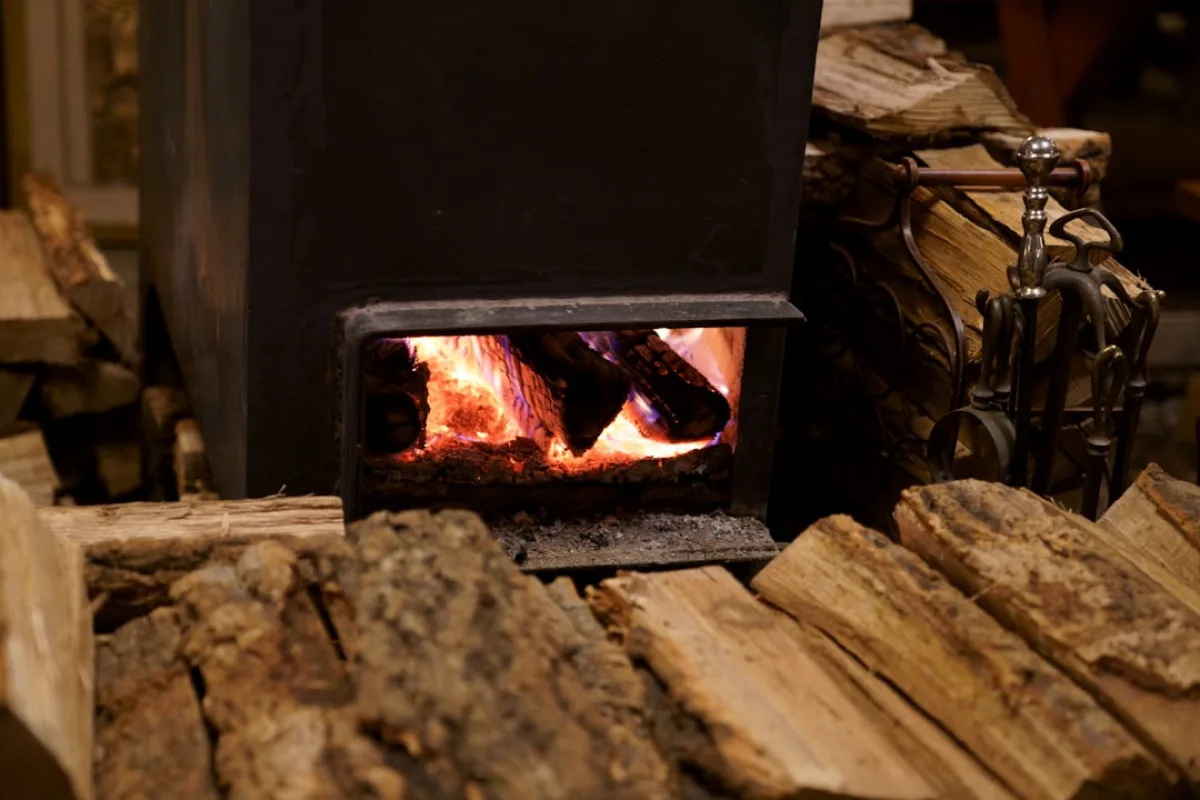
How to Light and Run Your Wood Burning Stove Efficiently
Colin Whitmore · 20 Jun 2026
A wood burning stove is one of the most satisfying ways to heat a room, but only when it is used well. Poor lighting technique, wet wood and incorrect air control all reduce heat output and increase the amount of fuel you get through. Our team has installed and serviced hundreds of stoves across the UK, and the same issues come up time and again. This guide covers everything you need to know to light your stove confidently and keep it running at its best.
Start With the Right Fuel
The single biggest factor in stove efficiency is the moisture content of your firewood. Wet or green wood struggles to burn properly, produces far more smoke and deposits creosote inside your flue liner. You should always use wood that has been seasoned for at least two years or kiln-dried wood that carries the Ready to Burn label. Both options are widely available in the UK and meet the low-moisture requirements introduced under the Clean Air Strategy.
Hardwoods such as oak, ash and beech are popular choices because they burn slowly and produce a consistent heat. Softwoods like pine light quickly and are useful for getting a fire established, but they burn fast and are better used alongside hardwood rather than as your main fuel. If you have a multi-fuel stove, you may also be able to burn smokeless coal or approved solid fuels on a raised grate, which gives you more flexibility during colder months.
Keep your wood stored in a dry, ventilated space and bring logs inside a day or two before use so they warm to room temperature. Cold, damp logs pulled straight from an outdoor store will cool your firebox and slow combustion.
How to Light Your Stove Properly
The top-down lighting method is the approach our installers recommend to most customers. It produces less smoke on startup, gets the flue up to temperature faster and is easier to manage than the traditional newspaper-and-kindling approach from below.
- Place two or three medium-sized logs across the base of the firebox.
- Stack a layer of smaller split logs across the top at right angles.
- Add a generous layer of dry kindling above that.
- Place two or three natural firelighters on top of the kindling.
- Open the primary and secondary air controls fully before lighting.
- Light the firelighters and close the door gently, leaving it very slightly ajar for the first minute if your stove allows it.
The fire burns downward through each layer, gradually heating the logs below. Because the flue warms up quickly, you get a good draw from the start and minimal smoke spilling into the room. Once the fire is well established and the firebox is glowing orange, you can start adjusting the air controls.
Understanding Your Air Controls
Most modern wood burning stoves have a primary air control at the bottom and a secondary air control higher up. Some also have a tertiary air wash system that keeps the glass clean. Here is how to use them:
- Primary air feeds oxygen from below and is most useful during lighting. Once the fire is burning well, close it down or shut it off completely on many stoves.
- Secondary air feeds air above the flames and supports clean, efficient combustion. Keep this open during normal burning.
- Air wash is usually built into the secondary air feed. Keeping it open helps maintain a clear glass door.
Avoid the temptation to close all the vents down to make the fire last longer. Starving a fire of air produces a slow, smouldering burn that generates far more smoke, blackens your glass and sends unburnt particles up your flue. A bright, lively fire burning on a moderate air setting will always outperform a smouldering one in terms of heat output and efficiency.
Running Your Stove at the Right Temperature
Wood burning stoves are most efficient when the firebox is operating within the temperature range recommended by the manufacturer. Running the stove too cool causes incomplete combustion and tar build-up inside your flue. Running it too hot can warp components and shorten the life of your stove.
A stove thermometer that clips to the flue pipe is a worthwhile investment. It shows you at a glance whether you are in the ideal burn zone, which is typically between 150 and 250 degrees Celsius on the flue pipe, though you should always check the guidance specific to your model.
Refuelling regularly with smaller amounts of wood is better than overloading the firebox with a large pile of logs. Add one or two logs at a time, open the air controls briefly to help them catch and then settle back to your normal airflow setting.
Keep Your Flue in Good Condition
None of the above will work well if your flue is not drawing properly. A correctly sized and lined flue is essential for efficient burning and safe operation. Our team carries out chimney lining and flue work to make sure everything is matched to your stove's output and your property's requirements. A lined flue also makes sweeping quicker and more straightforward.
We recommend having your flue swept and your stove serviced at least once a year, more often if you burn regularly through winter. Our stove servicing and sweeping visits check rope seals, door glass, baffle plates, air controls and flue integrity so you go into each heating season knowing everything is safe and working as it should.
Safety Checks You Should Never Skip
Efficient burning and safe burning go hand in hand. There are a few checks worth making part of your regular routine.
- Test your carbon monoxide alarm every week. If you do not have one fitted in the room, fit one before you use the stove again. Carbon monoxide is odourless and dangerous.
- Check the rope seal around the door periodically. A worn or compressed rope allows air to leak in uncontrolled, which affects how the stove behaves and can let smoke into the room.
- Keep the area around the hearth clear of combustible materials such as rugs, newspapers and furniture.
- Never burn treated wood, painted timber, chipboard, cardboard or household waste. These release harmful compounds and damage your stove and flue.
If you are in a smoke control area, which covers most UK towns and cities, you must use a DEFRA-exempt appliance and approved fuels. Our team can advise you on which stoves qualify and what is permitted in your area. You can also check our frequently asked questions for guidance on smoke control zones and fuel rules.
Getting Set Up the Right Way From the Start
If you are considering a new installation, the choices you make at the outset have a direct bearing on how efficiently your stove will run. The right stove size for the room, a properly lined flue and a professionally fitted hearth all contribute to long-term performance. Our stove supply and installation service covers everything from helping you choose the right appliance to completing a HETAS-certified installation that meets current building regulations.
Getting it right from the start means you will spend less on fuel, have fewer maintenance issues and enjoy a stove that performs reliably for years. If you would like to talk through your options, our team is always happy to help.
Related advice
Stove Output, Fuel and Compliance: A Practical Guide for Business Owners
From calculating the right heat output for your commercial space to understanding HETAS regulations and clean air zone rules, here is what every business owner needs to know before installing a wood burning stove.
24 Sep 2026
Read More
How to Create a Cosy Atmosphere in Your Commercial Space with a Wood Burning Stove
A well-chosen and correctly installed wood burning stove does far more than heat a commercial space. It shapes how guests feel the moment they walk through the door. Here is how to get it right.
23 Sep 2026
Read More
Firewood for Hospitality Venues: Fuel Quality, Storage and Keeping Supply Consistent
Running a pub, restaurant or hotel with a wood burning stove means thinking carefully about fuel. Here is our practical guide to choosing the right firewood, storing it properly and keeping your supply reliable all year round.
20 Sep 2026
Read More