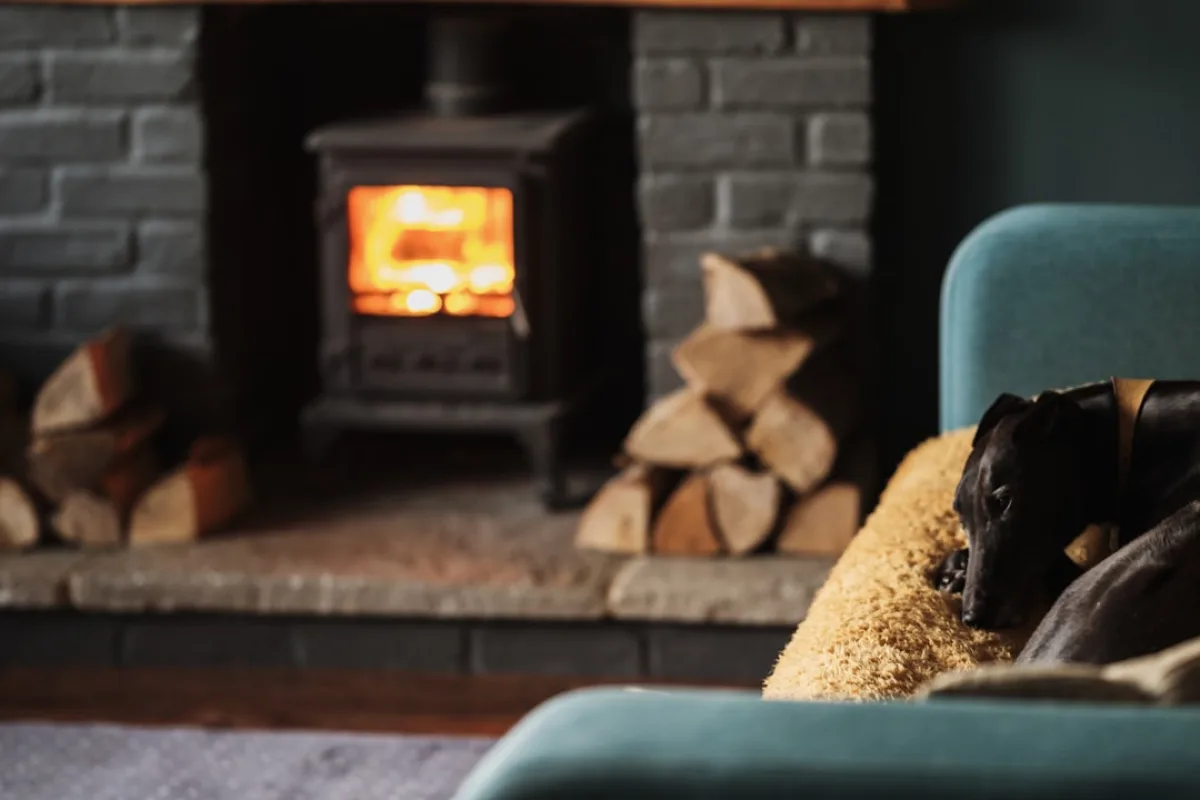
What Happens During a Wood Burning Stove Installation
Colin Whitmore · 16 Jun 2026
Booking a wood burning stove is an exciting moment, but many homeowners are unsure what to expect once the work actually begins. Will it take all day? What will our installers need access to? Will there be mess? These are all completely reasonable questions, and we are happy to answer them.
Below we walk you through the full installation process, step by step, so you know exactly what is happening in your home and why.
The Survey: Where Every Installation Starts
Before any stove arrives at your door, our team carries out a survey of your property. This is not a formality. It is an essential part of getting the installation right.
During the survey we assess:
- The condition and dimensions of your existing chimney or flue
- Whether chimney lining is required to meet regulations and improve performance
- The size of the room and what heat output you need from the stove
- The condition of your existing fireplace opening or hearth
- Any structural considerations that could affect the installation
Getting these details right at the survey stage means we can recommend the correct stove for your home and plan the work properly. If you would like to understand more about the range of work we cover, take a look at our stove supply and installation service.
Chimney Lining and Flue Preparation
One of the most important parts of any installation is preparing the flue. Many older UK properties have chimneys that were built for open fires, which means the flue may be too large, unlined, or in poor condition to safely serve a wood burning stove.
In most cases our installers will fit a stainless steel flexible liner, which runs from the stove collar up through the chimney to the pot at the top. This creates a correctly sized, sealed flue that draws properly, minimises creosote build-up, and keeps combustion gases safely contained.
Our chimney lining and flue service covers everything from liner supply to full installation and testing. If your chimney needs sweeping before we start, we take care of that too.
What If There Is No Existing Chimney?
If your room has no chimney, we can install a twin-wall insulated flue system, which runs through the ceiling and exits through the roof or an external wall. Our team will advise on the best routing during the survey.
Preparing the Hearth and Fireplace Opening
Building Regulations require a non-combustible hearth of a minimum size beneath and in front of the stove. If your existing hearth does not meet those requirements, we will prepare one before the stove is positioned.
Where you have an existing fireplace opening, we may need to alter the throat or fit a closure plate to reduce the opening size and ensure the correct draw through the stove. Our team handles all of this as part of the installation.
If you are having a new fireplace surround fitted at the same time, our fireplace and hearth fitting service covers both the structural and decorative elements in a single visit wherever possible.
Installing the Stove
Once the flue, hearth, and fireplace opening are prepared, the stove itself is installed. Our installers position the appliance, connect it to the flue liner via the collar and register plate, and check every joint and seal.
We then carry out a flue draw test and a smoke test to confirm that the installation is performing correctly before we consider the job complete.
Clearances to Combustible Materials
We ensure the stove is positioned with the correct clearances to any combustible materials on all sides. These clearances are set by the manufacturer and by Building Regulations, and our installers follow them precisely on every job.
HETAS Certification: Why It Matters
All of our installations are carried out by HETAS registered engineers. HETAS is the official body that oversees the installation of solid fuel heating appliances in the UK, and using a registered installer means the work is self-certified to Building Regulations without the need for a separate local authority inspection.
Once your installation is complete, we issue a HETAS certificate. This is an important document for your records, particularly if you ever sell your home. Our HETAS certification service explains what the certificate covers and why you should always ask for one.
Carbon Monoxide Alarms and Final Checks
Building Regulations require a carbon monoxide alarm to be fitted in any room where a solid fuel appliance is installed. We supply and fit a suitable alarm as part of every installation.
Before we leave, our team runs through the following with you:
- How to operate the air controls on your new stove
- How to light and manage the fire safely
- The importance of burning dry, seasoned or kiln-dried wood
- When to book your first service and annual sweep
- What to do if the carbon monoxide alarm activates
We do not hand over a stove and disappear. We make sure you are confident using it before we go.
After the Installation: Keeping Your Stove Safe and Efficient
A wood burning stove is a long-term investment, and regular servicing keeps it running safely and at peak efficiency. We recommend an annual service and chimney sweep, ideally before the start of the burning season.
Our team offers ongoing support after every installation we carry out. If you have questions about maintenance, fuel, or anything else to do with your stove, we are always happy to help.
Related advice
Stove Output, Fuel and Compliance: A Practical Guide for Business Owners
From calculating the right heat output for your commercial space to understanding HETAS regulations and clean air zone rules, here is what every business owner needs to know before installing a wood burning stove.
24 Sep 2026
Read More
How to Create a Cosy Atmosphere in Your Commercial Space with a Wood Burning Stove
A well-chosen and correctly installed wood burning stove does far more than heat a commercial space. It shapes how guests feel the moment they walk through the door. Here is how to get it right.
23 Sep 2026
Read More
Firewood for Hospitality Venues: Fuel Quality, Storage and Keeping Supply Consistent
Running a pub, restaurant or hotel with a wood burning stove means thinking carefully about fuel. Here is our practical guide to choosing the right firewood, storing it properly and keeping your supply reliable all year round.
20 Sep 2026
Read More