Wood Burning Stoves for Pubs, Cafes and Restaurants: What You Need to Know
Graham Alderton · 7 Jul 2026
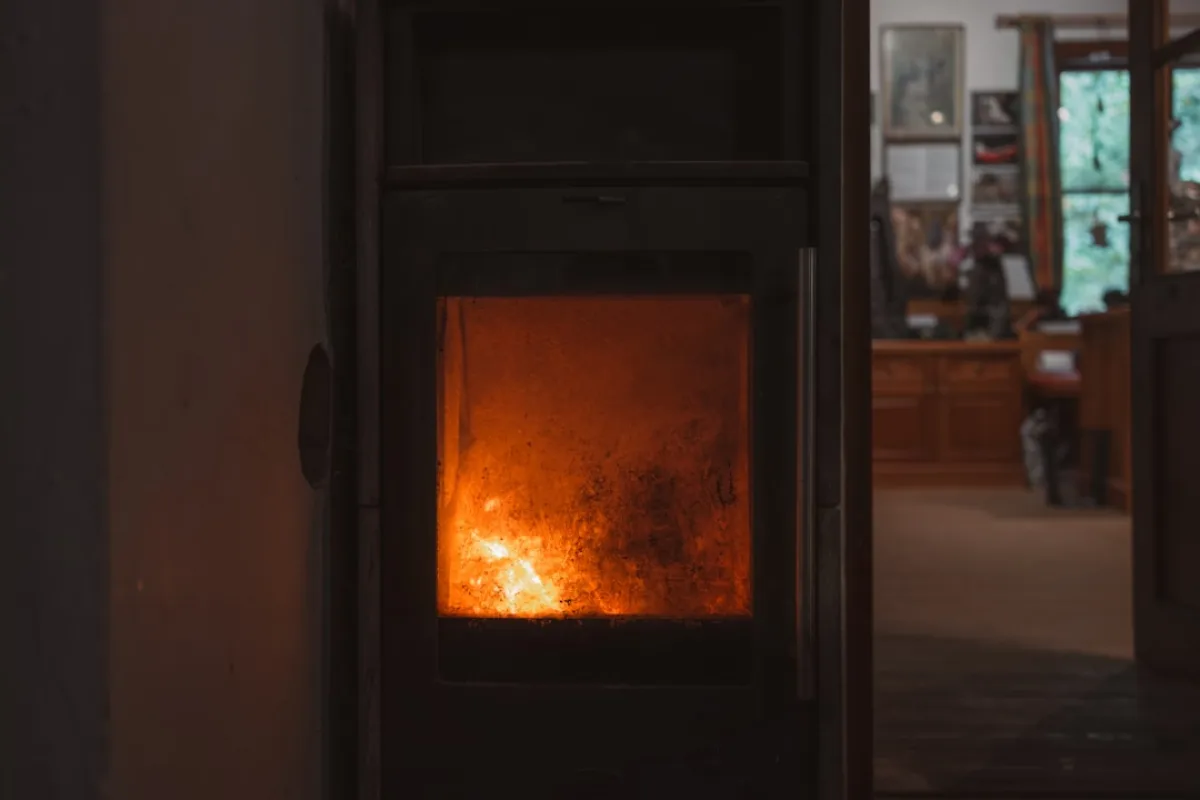
A wood burning stove can transform the feel of a pub, cafe or restaurant. The warmth, the flicker of real flames, the smell of burning wood — these things create an atmosphere that no radiator or fan heater can replicate. But a commercial stove installation is a more involved process than a domestic one, and getting it right from the start matters both for compliance and for long-term running costs.
Our team installs wood burning stoves in commercial hospitality premises across the UK, and we know what works, what the regulations require, and how to help you make the most of your investment. Here is a practical guide to the key things to think about before we get started.
Choosing the Right Stove Size and Heat Output
The most common mistake we see in commercial settings is choosing a stove that looks impressive but is either too small to heat the space properly or too large to run efficiently. Getting the output right matters more in a commercial environment than almost anywhere else, because your premises will be occupied by customers who expect to be comfortable.
Heat output is measured in kilowatts (kW). As a general guide, a well-insulated room requires roughly 1 kW of output per 14 cubic metres of space, though older buildings with poor insulation, high ceilings or large windows will need more. A busy pub with a vaulted ceiling and stone walls will have very different requirements from a small cafe with modern glazing and good draught-proofing.
Our installers carry out a proper heat loss assessment before recommending any stove. We look at ceiling height, wall construction, window area, door frequency (important in a busy hospitality setting where customers come and go constantly) and how the space is used throughout the day and evening.
Beyond output, you need to think about:
- Viewing area: A larger glass front creates more visual impact for customers, which matters in a hospitality setting.
- Fuel capacity: Stoves with a bigger firebox mean less frequent loading, which is practical when staff are also serving customers.
- Clearances: Commercial spaces must maintain safe distances between the stove, furniture, customer seating and combustible materials, and these need to be planned into the room layout from the beginning.
For further detail on our commercial stove installation service, including how we approach sizing and specification, take a look at that section of our site.
UK Regulations and Compliance for Commercial Stove Installations
Commercial solid fuel installations are subject to a stricter regulatory framework than domestic ones. This is not something to navigate on your own, and it is one of the main reasons hospitality business owners come to us rather than attempting to source and fit a stove independently.
HETAS Approval
Any competent person carrying out a solid fuel appliance installation in the UK should be registered with HETAS, the official body that oversees solid fuel heating systems. Our installers are HETAS-registered, which means we can self-certify the installation to your local authority on your behalf. Without this, you would need to apply for building regulations approval separately and have the work inspected independently.
HETAS registration is not just a box-ticking exercise. It means the person fitting your stove has been assessed against national standards for safety and competence. In a commercial premises, where you have a duty of care to your customers and staff, this matters enormously.
Building Regulations
Solid fuel appliances in commercial buildings fall under Part J of the Building Regulations in England, with equivalent provisions applying in Scotland, Wales and Northern Ireland. These set out requirements for:
- Combustion air supply to the appliance
- Safe clearances around the stove and flue
- Hearth construction and materials
- Flue design, lining and terminal positioning
- Carbon monoxide detection
Our team handles the compliance documentation as part of every installation. We will advise you on what is required before work begins and make sure everything is in order when the job is complete.
Smoke Control Zones
Many towns and cities across the UK are designated smoke control zones under the Clean Air Act. If your premises falls within one of these zones, you cannot burn wood or solid fuel freely — you must either use an approved exempt appliance or burn only Defra-approved smokeless fuel.
Most modern wood burning stoves sold in the UK are now manufactured to meet Ecodesign 2022 standards, and many are also listed as Defra-exempt appliances. We will check the smoke control status of your location and recommend stoves that are compliant before we suggest any particular model. This is not something to overlook — operating a non-compliant appliance in a smoke control zone can result in a fine for your business.
Fire Risk and Licencing Considerations
Pubs and restaurants in particular need to consider their fire risk assessment, which should be updated to reflect the presence of a solid fuel appliance. If your premises holds a premises licence, your local licensing authority may have an interest in how the installation is managed. We are not in a position to advise on licensing matters, but we can ensure the physical installation itself meets all safety requirements, which forms part of the evidence base for your updated fire risk assessment.
Flue Systems for Commercial Premises
The flue is every bit as important as the stove itself, and in a commercial building it can be a more complex piece of engineering than in a typical house. Older pub buildings with original chimneys may need full relining. New-build or converted commercial premises may require a twin-wall insulated flue system installed from scratch.
Key considerations include:
- Flue diameter: Must match the stove's outlet size and be appropriate for the heat output.
- Flue height: Taller flues generally draw better. Minimum heights above roof level are specified in the regulations and must be followed.
- Insulation: Flue gases that cool too quickly can cause condensation and tar deposits, reducing efficiency and increasing the risk of chimney fires. In commercial premises where the stove may be running for long hours, a well-insulated flue is essential.
- Access for sweeping: The flue must be accessible for regular inspection and sweeping. Our installers design sweep access into the system as standard.
We supply and install complete flue systems as part of our commercial packages. You will not need to source these separately or coordinate between different contractors.
Maintenance and Servicing for Hospitality Businesses
A stove in a pub or restaurant works much harder than one in a private home. It may be lit six or seven days a week, run for eight to twelve hours at a time, and be operated by multiple members of staff with varying levels of experience. This makes a regular, structured servicing schedule essential.
We recommend commercial stove installations are professionally serviced at least once a year, with the chimney swept at least twice annually if the stove is in heavy use. Some very high-use installations may need more frequent attention.
Servicing covers:
- Full chimney sweep and flue inspection
- Check of all seals, door ropes and glass
- Inspection of the firebox, baffle and riddling grate
- Check of the flue liner and terminals
- Carbon monoxide alarm testing
- Written report and any recommendations
Our commercial stove servicing team works around your business hours where possible, so maintenance does not have to mean losing an evening's trade.
It is also worth briefing your staff on correct operation. Loading the stove correctly, using properly seasoned or kiln-dried wood, and not overloading the firebox all make a significant difference to performance and longevity. We can provide a simple guidance sheet as part of our handover process.
Fuel Choice for Commercial Use
For most pubs, cafes and restaurants, the practical choice comes down to kiln-dried hardwood logs. These offer good heat output, low moisture content (typically under 20%), and they produce less creosote than wet or green wood, which reduces the risk of chimney fires and cuts down on the frequency of sweeping needed.
Hardwood species such as ash, oak and beech are ideal. They burn slowly and steadily, which suits a hospitality environment where staff need to manage the stove between other tasks rather than feeding it constantly.
If your premises is in a smoke control zone and your chosen stove is not Defra-exempt, you will need to use an approved smokeless fuel instead. We will advise you on this as part of the installation consultation.
Avoid burning anything other than the recommended fuel. Waste wood, painted timber, treated wood, cardboard and household rubbish are all damaging to the stove and flue, and burning them in a commercial context creates additional liability.
Is a Wood Burning Stove Right for Your Business?
For the right type of premises, a wood burning stove is an excellent investment. It reduces reliance on central heating in the areas it covers, creates an atmosphere that encourages customers to linger and spend more, and adds a distinctive character to your space that sets you apart from competitors.
The upfront cost of supply and installation varies depending on stove model, flue requirements and the complexity of the building, but running costs can be modest if you source fuel efficiently. A well-specified stove in a well-designed installation will serve a busy hospitality business reliably for many years with proper maintenance.
If you are not sure whether a standard wood burning stove is the right fit, or if you are looking to heat a larger commercial space, our biomass stove range may be worth considering. These are designed for higher-demand applications and can offer greater fuel flexibility.
To find out whether we cover your area and to talk through your requirements with our team, visit our locations page or get in touch directly. We are happy to carry out a site visit and give you a clear picture of what is involved before you commit to anything.
Related advice
Stove Output, Fuel and Compliance: A Practical Guide for Business Owners
From calculating the right heat output for your commercial space to understanding HETAS regulations and clean air zone rules, here is what every business owner needs to know before installing a wood burning stove.
24 Sep 2026
Read More
How to Create a Cosy Atmosphere in Your Commercial Space with a Wood Burning Stove
A well-chosen and correctly installed wood burning stove does far more than heat a commercial space. It shapes how guests feel the moment they walk through the door. Here is how to get it right.
23 Sep 2026
Read More
Firewood for Hospitality Venues: Fuel Quality, Storage and Keeping Supply Consistent
Running a pub, restaurant or hotel with a wood burning stove means thinking carefully about fuel. Here is our practical guide to choosing the right firewood, storing it properly and keeping your supply reliable all year round.
20 Sep 2026
Read More