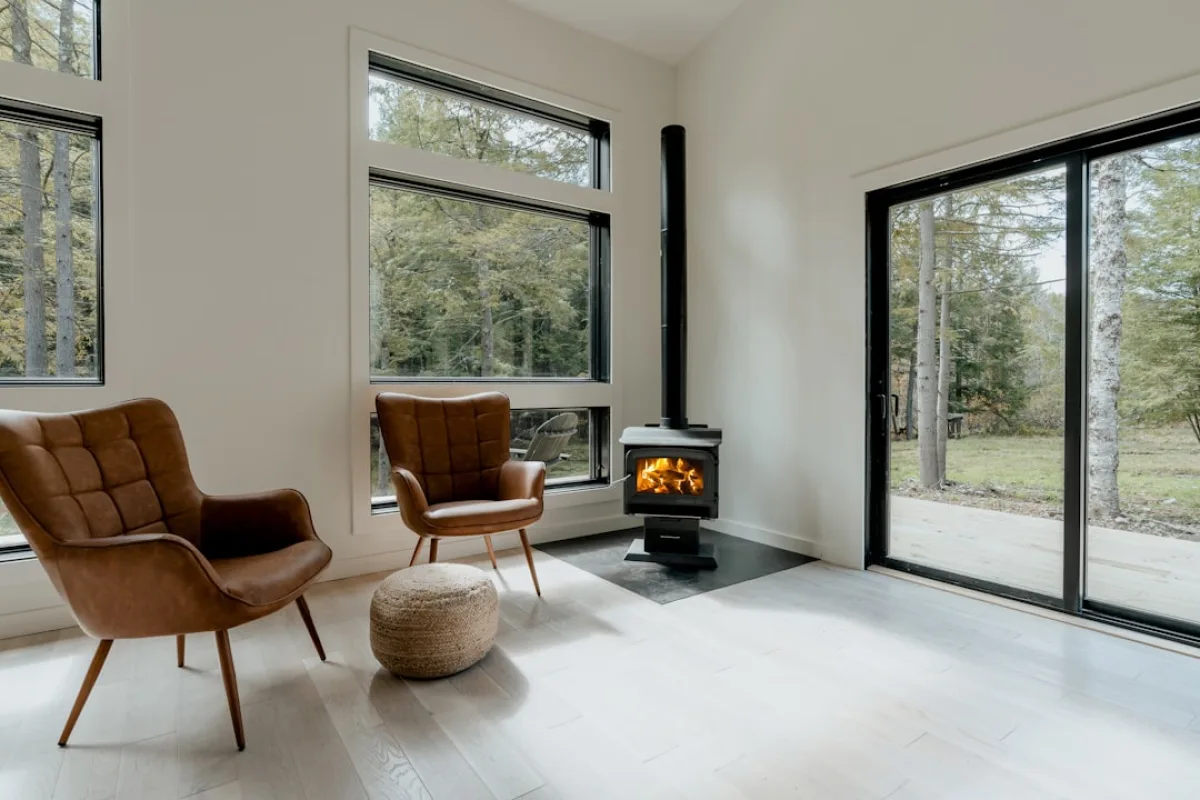
How Long Does a Wood Burning Stove Installation Take?
Colin Whitmore · 16 Jul 2026
One of the most common questions we hear from homeowners is how long the whole process takes — from deciding on a stove to sitting in front of a proper fire. The honest answer is that it depends on your property, your chimney situation, and the stove you choose. A straightforward installation in a house with a sound existing chimney can be completed in a single day. A more involved job, where we need to line the flue, build a hearth, or work through planning considerations, will naturally take longer.
Below we walk through each stage so you know exactly what to expect and can plan accordingly.
Stage One: Choosing Your Stove and Booking a Survey
Before any installation work begins, we carry out a survey of your property. This lets our team assess the chimney, the room size, the proposed hearth position, and anything else that might affect how the job is done. It also means we can recommend the right stove for your space rather than guessing from a phone call.
The survey itself usually takes an hour or so. If you already know broadly what you want — for instance, whether you are after a multi-fuel stove or a dedicated wood burner — that helps us move things along quickly. After the survey, we will give you a clear quote and an idea of lead times for the stove itself, which can vary depending on the model.
How Far Ahead Should You Book?
Demand for stove installations tends to peak in late summer and autumn as homeowners prepare for winter. If you are hoping to have your stove ready before the cold weather arrives, we recommend getting in touch as early as possible. Spring and early summer appointments are often easier to schedule at short notice.
Stage Two: Chimney and Flue Preparation
This is often where the timeline differs most between properties. If your home has an existing masonry chimney in good condition, we may be able to proceed with installation quickly. If the chimney needs lining, or if you are working with a flue system built from scratch, there is more preparation involved.
Chimney Lining
Lining a chimney is a common requirement in older properties. It improves draw, reduces the risk of carbon monoxide entering the room, and ensures the flue is the correct diameter for your chosen stove. Our chimney lining service typically adds half a day to a full day to the overall installation time, depending on the height and condition of the chimney stack.
Twin-Wall Flue Systems
Where there is no existing chimney — in a modern extension or a room without a breast, for example — we install a twin-wall insulated flue system. This is a clean solution, but it does require careful planning around routing, wall penetrations, and the external termination point. It usually adds a day to the project.
Stage Three: Hearth and Fireplace Fitting
Building regulations require a non-combustible hearth of the correct dimensions beneath any wood burning stove. If your room already has a suitable hearth from a previous installation, this stage is minimal. If we are fitting a hearth from scratch — whether a simple tiled solution or a more substantial stone or slate surround — the work typically takes between half a day and a full day.
Our team handles fireplace and hearth fitting as part of the installation package, so you do not need to source a separate tradesperson. We will also advise on clearance distances to combustible materials, making sure everything meets the relevant standards before the stove goes in.
What About Existing Fireplaces?
Many of our customers are fitting a stove into an existing fireplace opening. In these cases, we often need to partially close the opening with a register plate and connect the flue collar. This is relatively quick, but the fireplace dimensions need to suit the stove, so it is always worth confirming measurements during the survey.
Stage Four: Stove Installation Day
Once the chimney and hearth preparation is complete, the stove installation itself is usually a single day's work. Our installers will position the stove, connect it to the flue, seal the register plate, and check that everything draws correctly. We test the installation before we leave, and we will show you how to operate the stove correctly, including how to manage the air controls and what fuel to use.
For most customers with an existing chimney in good order, the full job — survey to completed installation — takes one to two days on site, spread across the preparation visit and the installation day itself.
What Happens With More Complex Jobs?
Occasionally a project involves additional work: opening up a blocked fireplace, addressing structural issues in the chimney stack, or fitting an entirely new external flue. In these cases, we will give you a realistic programme of works upfront so there are no surprises. Complex installations might run to two or three separate visits over the course of a week or two.
Stage Five: HETAS Certification and Building Regulations
Any wood burning stove installation in England and Wales must comply with Part J of the Building Regulations. As HETAS registered installers, we are authorised to self-certify our work, which means we notify the local authority on your behalf. You receive a certificate of compliance, which is important for your home insurance records and when you come to sell the property.
This certification is not an add-on — it is part of what we do as standard. You can find out more about what that process involves on our HETAS certification page. The paperwork side does not add time to the installation itself, but you should expect to receive your certificate within a few weeks of the work being completed.
Smoke Control Zones
If your property falls within a smoke control zone, your stove must be a DEFRA-exempt appliance. This is something we check at the survey stage. It does not usually affect how long the installation takes, but it does affect which stoves we can supply for your property. We will always confirm zone status before recommending a model.
A Realistic Timeline at a Glance
- Initial survey: One to two hours on site, usually bookable within one to two weeks
- Stove lead time: Typically one to four weeks depending on model availability
- Chimney lining (if required): Half a day to a full day
- Hearth fitting (if required): Half a day to a full day
- Stove installation: One day
- HETAS certificate: Issued within a few weeks of completion
For a home with an existing suitable chimney and hearth, the whole process from first contact to a working fire can be as little as two to three weeks. For a more involved installation, allow four to six weeks to be comfortable.
Ready to Get Started?
If you are based in the UK and want to know what a stove installation would involve for your specific property, we are happy to talk it through. We cover a wide range of areas — you can check whether we work near you on our locations page. Our team will give you a straightforward assessment of timings and costs, with no obligation.
The sooner you get in touch, the sooner you can have a fire burning.
Related advice
Stove Output, Fuel and Compliance: A Practical Guide for Business Owners
From calculating the right heat output for your commercial space to understanding HETAS regulations and clean air zone rules, here is what every business owner needs to know before installing a wood burning stove.
24 Sep 2026
Read More
How to Create a Cosy Atmosphere in Your Commercial Space with a Wood Burning Stove
A well-chosen and correctly installed wood burning stove does far more than heat a commercial space. It shapes how guests feel the moment they walk through the door. Here is how to get it right.
23 Sep 2026
Read More
Firewood for Hospitality Venues: Fuel Quality, Storage and Keeping Supply Consistent
Running a pub, restaurant or hotel with a wood burning stove means thinking carefully about fuel. Here is our practical guide to choosing the right firewood, storing it properly and keeping your supply reliable all year round.
20 Sep 2026
Read More