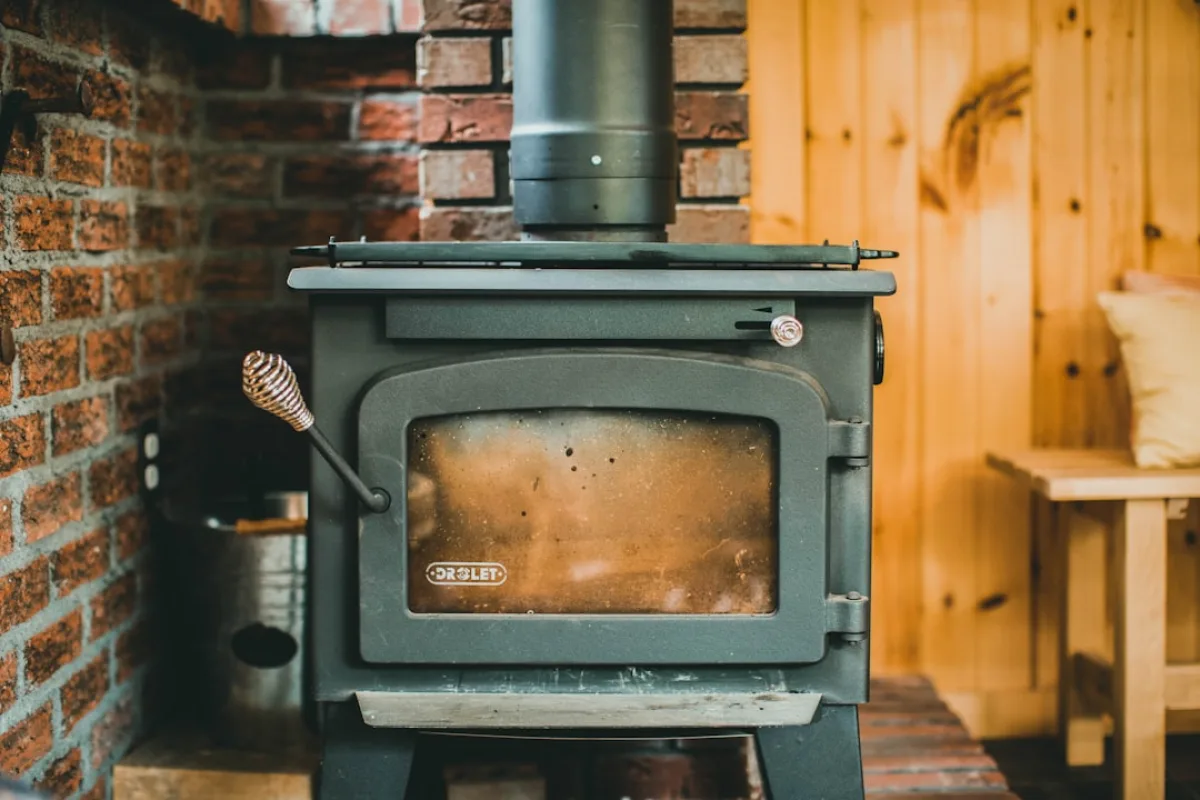
Sourcing and Managing Firewood for Hospitality Venues with Wood Burning Stoves
Graham Alderton · 30 May 2026
A wood burning stove is one of the most effective ways to create atmosphere in a hospitality setting. Whether you run a country pub, a hotel lounge or a holiday let, guests notice the warmth and character that a real fire brings. But keeping that fire burning well throughout a busy season takes more than throwing a few logs on. Fuel quality, storage, compliance and consistent supply all need careful thought before the first guest walks in.
At Woodburners4u, we install and service commercial stoves across the UK, and we see first-hand how fuel management affects both performance and running costs. Here is what you need to know about sourcing firewood for a hospitality venue.
Why Fuel Quality Matters More in a Commercial Setting
In a domestic home, a poorly seasoned log might produce a bit of extra smoke and a slightly disappointing fire. In a hospitality venue, the stakes are higher. You have guests watching, staff managing the fire throughout service, and a flue system that will take considerably more punishment than a residential installation.
Burning wet or unseasoned wood causes creosote to build up inside the flue far more quickly. In a venue where the stove may be lit six or seven days a week during colder months, that build-up accelerates. This increases the risk of a chimney fire and can mean your flue needs sweeping more frequently than your maintenance schedule allows for. It also affects the heat output your stove delivers, which matters when you are heating a large dining room or bar area.
Always Buy Kiln Dried or Well-Seasoned Logs
For commercial use, we strongly recommend kiln dried hardwood logs. Kiln drying reduces the moisture content reliably and consistently, typically below 20%, which is the threshold required under the Ready to Burn scheme for approved solid fuels. Well-seasoned logs can also reach this moisture level, but the drying time and storage conditions need to be right. If you are buying in bulk from a local supplier, ask for a moisture reading or invest in a basic moisture meter to check deliveries yourself.
Hardwood species such as oak, ash and beech burn hotter and longer than softwoods like pine or spruce. For a hospitality setting where the fire needs to look good and perform consistently throughout an evening service, hardwood is the better choice. Softwood can be used for kindling, but it burns fast and produces more resin, which contributes to flue deposits.
Smoke Control Zones and Clean Air Compliance
If your venue is located within a Smoke Control Area, you are required under the Clean Air Act to burn only approved fuels, or to use an exempt appliance that has been approved for use with wood in that zone. Many town centre pubs, restaurants and hotels fall within declared smoke control zones, so it is worth checking with your local authority before purchasing fuel in volume.
Our team can advise on whether your stove installation is compliant with local air quality requirements. We only supply and install appliances that meet current emissions and efficiency standards, and we make sure the fuel type your stove is designed for is clearly documented at handover.
Planning Your Firewood Supply and Storage
A hospitality venue goes through firewood at a rate that most domestic users would find hard to imagine. A busy pub with a stove lit every evening from October through to March could easily get through several cubic metres of logs over a season. Poor planning around supply and storage creates real operational headaches.
Estimating Your Volume Requirements
There is no single formula for working out exactly how much wood you will need, because it depends on the size of your stove, how long it is in use each day and the heat output you are working with. As a starting point, speak to your stove installer about the expected fuel consumption at normal operating temperatures. Our team provides this information as part of every commercial installation we carry out, so operators can plan ahead rather than running out mid-service.
It is also worth factoring in your peak periods. A holiday let or rural hotel may use the stove heavily over Christmas and New Year, then drop off sharply in spring. Ordering large quantities in autumn before your busy period, rather than trying to source fuel reactively in December, saves both money and stress.
On-Site Storage for Commercial Quantities
Logs need to be stored correctly to maintain their moisture content and prevent them from reabsorbing damp. For a hospitality venue, this means a dedicated log store that is covered, well ventilated and positioned close enough to the venue to be practical for staff carrying fuel through a busy service.
A few practical points worth considering:
- Store logs off the ground to allow air circulation underneath
- Keep a smaller indoor stock of logs close to the stove so they are fully at room temperature before burning
- Never store logs directly against the stove or in areas with restricted ventilation
- Rotate stock so older deliveries are used first
If your venue does not have existing outbuildings suitable for log storage, it is worth including this in your planning before installation. Our commercial servicing team often sees stoves performing below their best simply because the fuel being loaded is still cold and damp from being stored in an unsuitable area.
Building a Relationship with a Reliable Supplier
For a venue that relies on a wood burning stove as part of the guest experience, ad hoc purchasing from garden centres or roadside sellers is not a sustainable approach. You need a supplier who can deliver in bulk, provide consistent quality and give you reliable lead times so you are never caught short.
When evaluating firewood suppliers, look for those who can confirm moisture content either through certification under the Ready to Burn scheme or with documented kiln drying processes. Ask about delivery frequency and minimum order sizes so you can plan your storage accordingly. Local forestry operations and specialist firewood merchants are often the most consistent sources for commercial quantities.
Maintenance Keeps Your Fuel Costs Down
No amount of high-quality fuel will compensate for a poorly maintained stove or flue. In a commercial setting, the stove works harder and the flue accumulates deposits more quickly than in a home. We recommend that hospitality venues have their stoves serviced and their flues swept at least twice a year, with the schedule timed around the busiest operational periods.
A well-maintained stove burns fuel more efficiently, which means you get more heat from the same volume of logs. It also reduces the risk of operational downtime during your busiest season, which is the last thing any venue needs when guests are expecting a warm fire.
You can find more information about what our commercial maintenance visits cover on our commercial servicing page, or take a look at our frequently asked questions for general guidance on stove upkeep.
Related advice
Stove Output, Fuel and Compliance: A Practical Guide for Business Owners
From calculating the right heat output for your commercial space to understanding HETAS regulations and clean air zone rules, here is what every business owner needs to know before installing a wood burning stove.
24 Sep 2026
Read More
How to Create a Cosy Atmosphere in Your Commercial Space with a Wood Burning Stove
A well-chosen and correctly installed wood burning stove does far more than heat a commercial space. It shapes how guests feel the moment they walk through the door. Here is how to get it right.
23 Sep 2026
Read More
Firewood for Hospitality Venues: Fuel Quality, Storage and Keeping Supply Consistent
Running a pub, restaurant or hotel with a wood burning stove means thinking carefully about fuel. Here is our practical guide to choosing the right firewood, storing it properly and keeping your supply reliable all year round.
20 Sep 2026
Read More